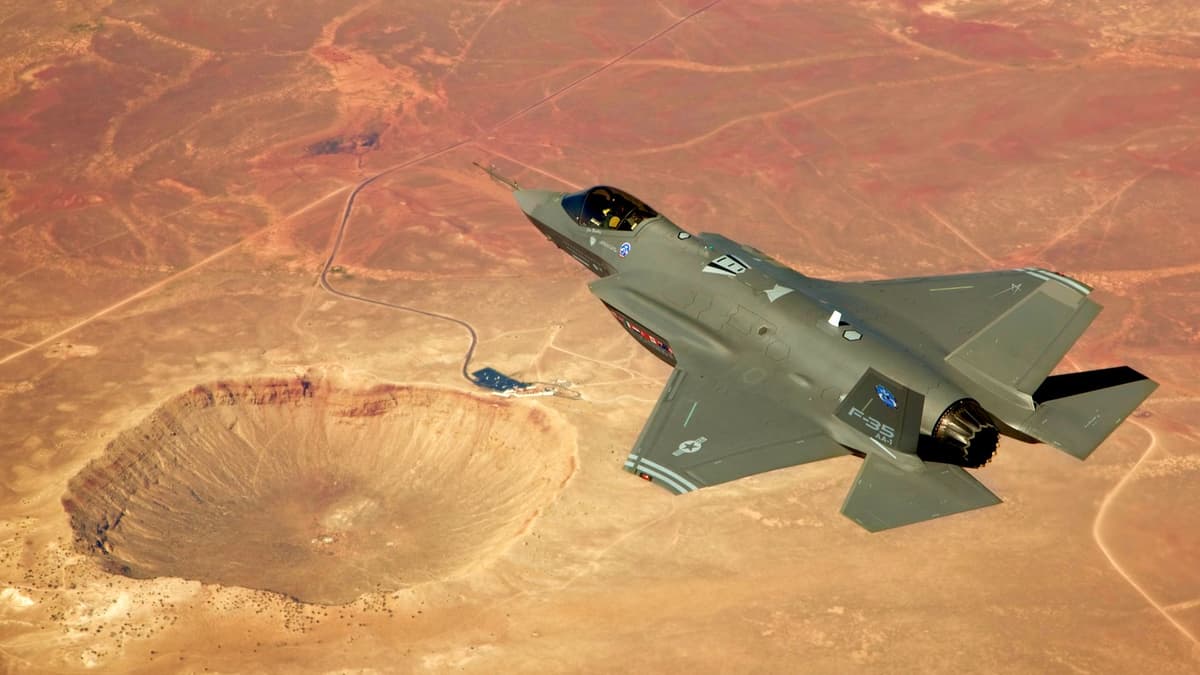
F-35 Forced Out, Another Reaper Downed: Iran Claims Major Success Amid Renewed U.S.-Iran Tensions
Companies Mentioned
Why It Matters
The incident underscores a growing risk that Iran can challenge U.S. air dominance and disrupt operations in a chokepoint that handles a fifth of global oil shipments.
Key Takeaways
- •Iran says it downed an MQ‑9 Reaper and forced F‑35 retreat.
- •US CENTCOM reports sinking two IRGC vessels and striking missile launchers.
- •Reaper losses now total 25, 57% of US aircraft losses in war.
- •Escalation threatens the Strait of Hormuz, a critical oil transit route.
Pulse Analysis
The latest flare‑up between Tehran and Washington follows a series of U.S. "self‑defense" strikes aimed at neutralizing IRGC maritime threats in the Strait of Hormuz. According to CENTCOM, U.S. forces sank two Iranian vessels believed to be laying mines and destroyed missile launch sites, prompting the IRGC to fire surface‑to‑air missiles at inbound aircraft. Iran’s state media subsequently announced that an MQ‑9 Reaper drone was shot down and that an F‑35 and an RQ‑4 Global Hawk were forced to retreat, a claim that, if substantiated, would mark a rare successful engagement against a fifth‑generation fighter.
The reported loss of a Reaper, potentially the 25th in the conflict, highlights the vulnerability of U.S. unmanned ISR platforms operating in heavily defended airspace. While the MQ‑9 provides indispensable surveillance and strike guidance, its reliance on predictable flight paths makes it a prime target for Iran’s layered air‑defense network. The F‑35’s forced withdrawal, echoing a March incident where a stealth jet was damaged, raises questions about the effectiveness of low‑observable technology against advanced infrared and radar systems. These developments may prompt the Pentagon to reassess mission planning, invest in electronic‑warfare countermeasures, or diversify ISR assets to mitigate attrition.
Beyond the tactical realm, the confrontation threatens the stability of the Strait of Hormuz, a vital conduit for roughly 20% of global oil trade. Any prolonged disruption could reverberate through energy markets, inflating prices and prompting multinational navies to increase presence. Diplomatically, the episode adds pressure on both sides to either extend the fragile cease‑fire or risk a broader escalation. Policymakers in Washington are likely to weigh the cost of further strikes against the strategic imperative of maintaining freedom of navigation, while Tehran may leverage the claimed successes to bolster domestic legitimacy and extract concessions in future negotiations.
F-35 Forced Out, Another Reaper Downed: Iran Claims Major Success Amid Renewed U.S.-Iran Tensions
Comments
Want to join the conversation?
Loading comments...