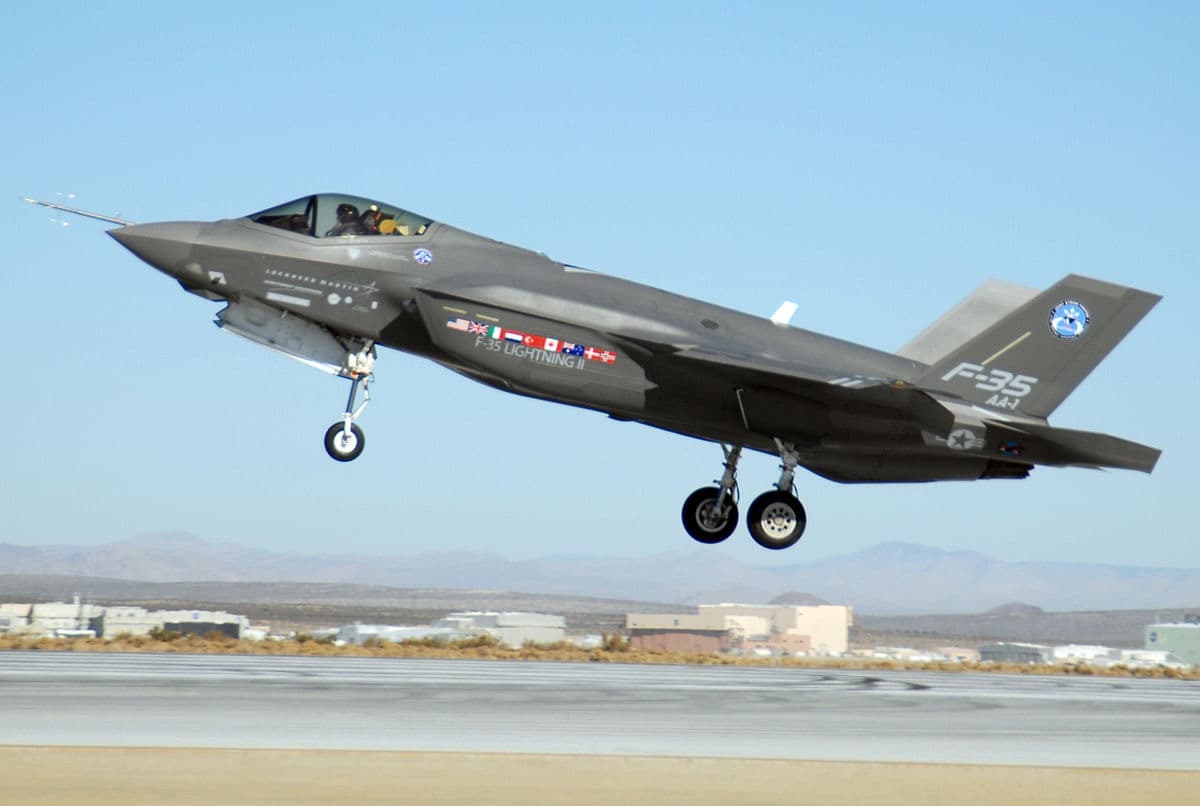
F-35 vs AMCA: Can India’s Stealth Fighter Fly in Just 30 Months — Much Faster Than America’s Lightning II?
Why It Matters
If achieved, the AMCA could reshape India’s defense industrial base and reduce reliance on foreign platforms; failure could expose systemic gaps and delay the country’s strategic air‑power modernization.
Key Takeaways
- •Rs 15,000 crore RFP awarded to L&T‑BEL, Tata, Bharat Forge‑BEML.
- •Prototype rollout in 24 months; first flight within 30 months.
- •No foreign equity; new Indian-owned company must be created.
- •Indian firms lack prior fighter‑jet assembly line experience.
- •Timeline tighter than U.S. F‑22/F‑35 development histories.
Pulse Analysis
The Aeronautical Development Agency’s Rs 15,000 crore (≈US$1.56 billion) request for proposal marks a watershed moment for India’s aerospace sector. For the first time, three private consortia—Larsen & Toubro‑Bharat Electronics, Tata Advanced Systems, and Bharat Forge‑BEML—will compete to build the Advanced Medium Combat Aircraft (AMCA), a fifth‑generation stealth fighter. The contract obliges the winner to roll out a prototype within 24 months of signing and achieve the first flight in 30 months, a schedule that dwarfs the multi‑year timelines of comparable Western programs. The RFP also bans foreign equity, forcing a wholly Indian corporate structure.
Historically, the United States required five to six years from contract award to first flight for the F‑22 and F‑35, even with Lockheed Martin’s mature supply chain and government‑backed test facilities. India’s bidders, by contrast, have never operated a fighter‑jet assembly line and must simultaneously create tooling, composite material sources, and a new testing regime while integrating the GE F414 engine. The absence of foreign technical partners compounds risk, as does the need to develop stealth coatings and sensor fusion in‑house. Such constraints make the 30‑month deadline exceptionally aggressive.
If the AMCA program meets its milestones, India could accelerate its move toward strategic air‑power independence, reduce future procurement costs, and position its private sector as a credible defense exporter. Conversely, missed deadlines would likely reinforce reliance on foreign platforms and could strain the already stretched defense budget. The outcome will also send a signal to global OEMs about the viability of fast‑track, indigenously‑owned fighter projects, potentially reshaping future collaborations and competition in the fifth‑generation market.
F-35 vs AMCA: Can India’s Stealth Fighter Fly in Just 30 Months — Much Faster Than America’s Lightning II?
Comments
Want to join the conversation?
Loading comments...