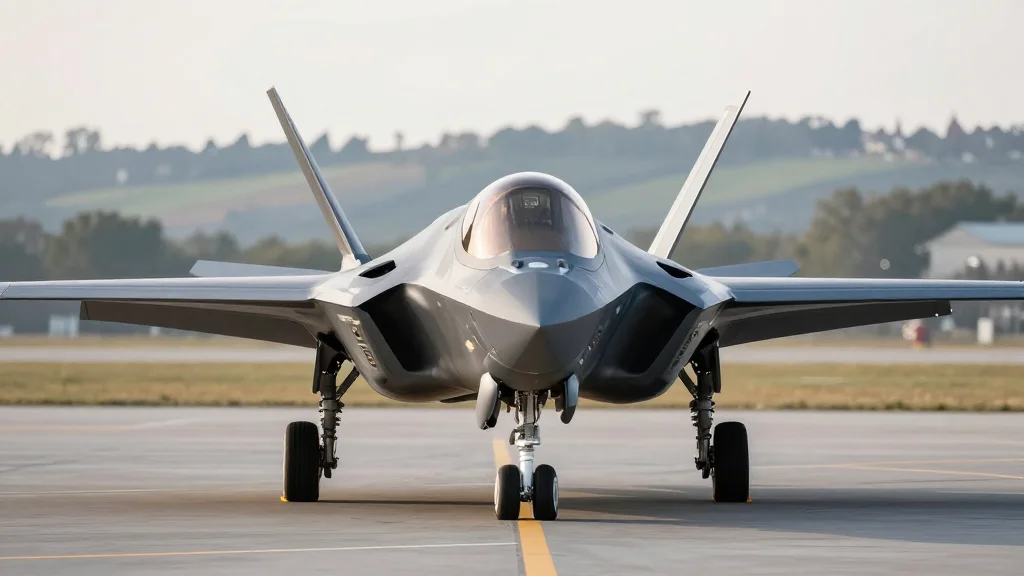
Why It Matters
A smaller U.S. presence in Poland could blunt NATO’s early‑warning capabilities, while the Castro indictment and heightened Iran‑Taiwan tensions signal an aggressive U.S. foreign‑policy stance that could reshape regional security dynamics.
Key Takeaways
- •US plans to cut troops in Poland risk intelligence gaps on Russia.
- •Troop presence also supports SIGINT, HUMINT collection near Kaliningrad.
- •Indictment of ex‑Cuban leader Raúl Castro escalates US pressure on Havana.
- •Iran threatens to expand war if U.S. strikes resume.
- •Trump weighs $14 billion arms sale to Taiwan amid China tensions.
Pulse Analysis
The planned drawdown of U.S. forces from Poland is more than a logistical shift; it threatens to erode a critical layer of on‑the‑ground intelligence that NATO relies on to monitor Russian activity near the Baltic states and Kaliningrad. Forward‑deployed troops provide unique signals and human intelligence that satellites cannot fully replicate, and their removal could create blind spots in early‑warning systems, compelling allies like Poland to shoulder a larger share of the surveillance burden.
Simultaneously, the indictment of former Cuban President Raúl Castro marks a new escalation in Washington’s campaign to isolate Havana. By targeting a high‑profile figure with charges ranging from murder to conspiracies against U.S. nationals, the administration signals a willingness to use legal tools as geopolitical leverage, echoing past pressure tactics applied to Venezuela. The move is likely to deepen diplomatic friction, provoke retaliatory sanctions, and further strain the already fragile U.S.–Cuba relationship.
In the broader security arena, Iran’s threat to broaden the war and Trump’s contemplation of a $14 billion arms package for Taiwan underscore a volatile mix of diplomatic brinkmanship and military posturing. Iran’s warning hints at a willingness to expand conflict beyond its borders, while the potential arms sale could provoke Beijing, which views any direct U.S.–Taiwan engagement as a red line. Together, these actions illustrate a U.S. strategy that blends deterrence, coercive legal measures, and arms diplomacy, raising the stakes for regional stability across three continents.
Fewer ears on the ground in Europe
Comments
Want to join the conversation?
Loading comments...