Companies Mentioned
Why It Matters
Cost‑effective synthetic training reshapes defense budgeting and accelerates force readiness, while Europe’s armored vehicle push and a crowded fighter market signal shifting procurement strategies worldwide.
Key Takeaways
- •Synthetic training cuts live‑fire costs by up to 70%
- •Virtual environments boost readiness while reducing range usage
- •Europe’s armored vehicle programs target 2028 modernization goals
- •US, European, Asian firms vie for 2025‑2030 fighter contracts
Pulse Analysis
Synthetic training environments are rapidly becoming a cornerstone of modern militaries, offering immersive scenarios that replicate battlefield conditions without the expense of live‑fire exercises. By leveraging high‑fidelity virtual reality, augmented reality and AI‑driven simulations, armed forces can rehearse complex missions, test new tactics, and maintain proficiency while slashing fuel, ammunition and range‑maintenance costs. Analysts estimate that fully integrated synthetic programs can reduce training budgets by as much as 70%, freeing resources for equipment upgrades and personnel development.
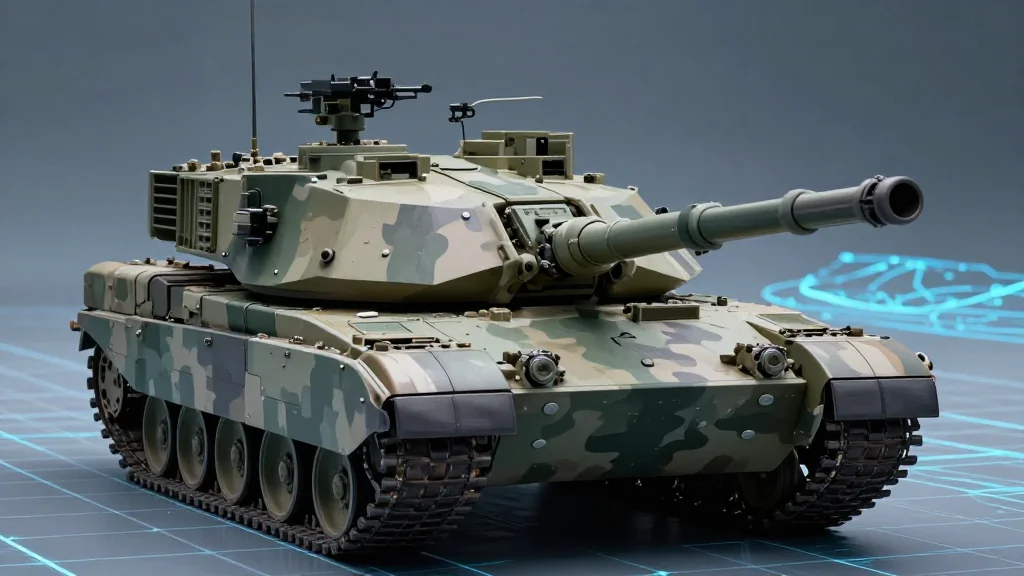
Across Europe, a resurgence in armored vehicle development reflects a strategic pivot toward heavier ground combat capabilities amid evolving security challenges. Nations such as Germany, France and the United Kingdom have launched multi‑year modernization plans, targeting 2028 as a key milestone for fielding next‑generation infantry fighting vehicles and main battle tanks. These programs emphasize modular designs, hybrid powertrains and enhanced survivability, positioning European manufacturers to capture a sizable share of the global market while supporting domestic industrial bases. The renewed focus also aligns with NATO’s push for interoperable platforms that can integrate seamlessly with allied forces.
The global fighter aircraft market has never been more diverse, with legacy US and European OEMs now contending with emerging Asian players from Japan, South Korea and China. Competition intensifies as air forces worldwide seek fifth‑generation capabilities, stealth, and network‑centric warfare features for procurement cycles extending to 2030. This fragmentation drives innovation, compresses development timelines, and forces manufacturers to offer flexible, cost‑effective solutions to win contracts. Consequently, defense budgets are increasingly allocated to platforms that balance cutting‑edge performance with lifecycle affordability, reshaping the competitive landscape for future combat aircraft.
Fidelity vs Scale: Global Defence Technology 158
Comments
Want to join the conversation?
Loading comments...