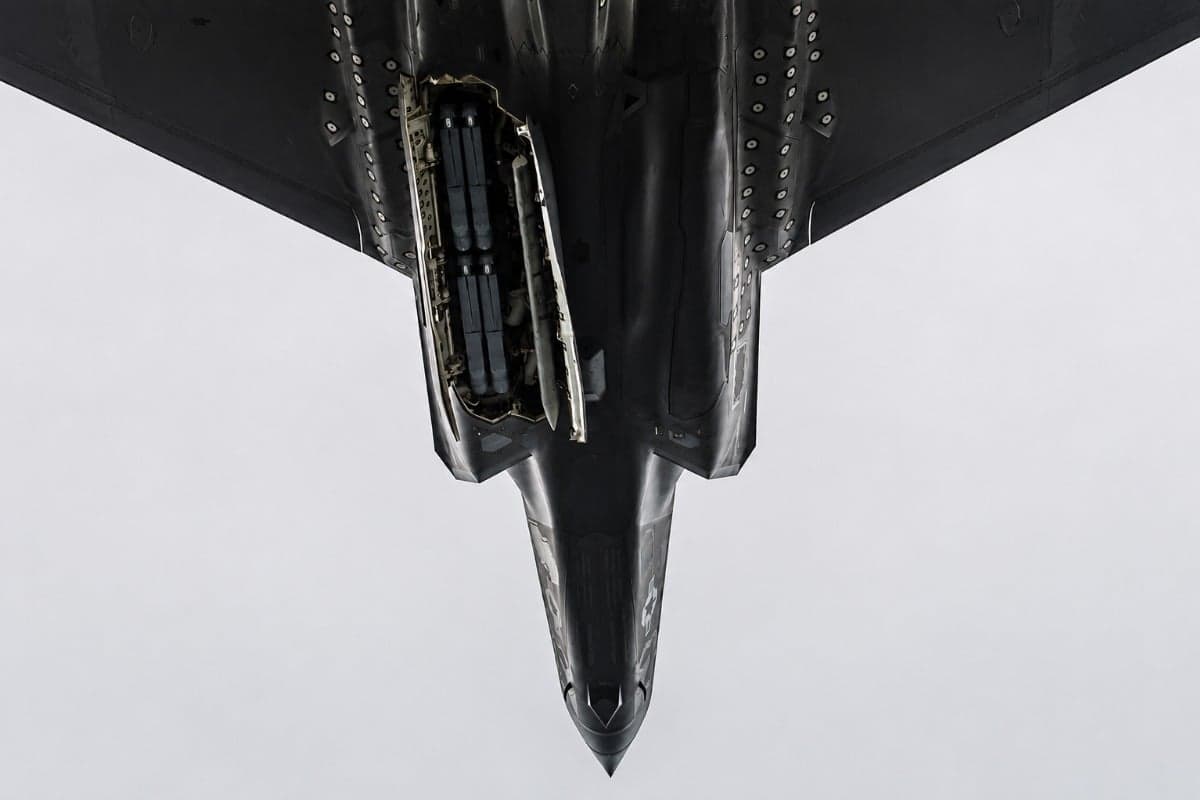
Finland Buys More Smart Bombs for F-35 Fighter Jets
Why It Matters
The acquisition gives Finland a rare precision strike capability that can operate in Nordic winter conditions, strengthening NATO’s northern flank against Russian threats. It also deepens U.S. defence ties and supports the domestic F‑35 integration timeline.
Key Takeaways
- •Finland adds GBU‑53 SDB II glide bombs to F‑35 arsenal
- •Bombs can strike moving targets in fog, rain, darkness
- •Range of roughly 70 miles keeps aircraft out of enemy defenses
- •Finland’s F‑35 deliveries start 2026, full capability by 2028
- •Supplementary purchase includes spare parts, manuals, and training support
Pulse Analysis
Finland’s decision to augment its F‑35 armament with GBU‑53 Small Diameter Bomb II glide bombs reflects a broader shift in NATO’s northern defence posture. Sharing an 830‑mile border with Russia, Helsinki has prioritized weapons that can operate under the region’s harsh weather—low visibility, heavy snow, and extended darkness. The tri‑mode seeker of the SDB II, combining radar, infrared and laser guidance, ensures high‑precision strikes against moving targets even when traditional sensors are blinded, filling a critical gap in Finland’s strike capability and reinforcing deterrence in a volatile security environment.
Technically, the GBU‑53’s 250‑pound weight and compact 6‑foot length allow multiple units to fit inside the F‑35’s internal weapons bay, preserving the aircraft’s stealth profile. Its 70‑mile (110‑km) glide range lets pilots release from outside hostile air‑defence zones, aligning with the multi‑domain operations concept that integrates air, land, sea and cyber assets. By pairing the bomb’s all‑weather precision with the F‑35’s sensor fusion, Finnish pilots will gain a versatile tool for both conventional and asymmetric missions, from neutralising armored columns to disabling mobile air‑defence systems.
The purchase is structured as a supplemental Foreign Military Sales order, building on the original $12.5 billion F‑35 contract signed in 2020. Including manuals, spare parts and Raytheon‑provided training, the deal ensures the weapons are operationally ready when the first Finnish jets arrive at Ebbing Air National Guard Base for training and later relocate to Rovaniemi in 2026. This procurement not only accelerates Finland’s transition from legacy Hornets to fifth‑generation fighters but also signals continued U.S. commitment to European allies, potentially spurring further sales of advanced munitions to other NATO members seeking similar all‑weather strike capabilities.
Finland buys more smart bombs for F-35 fighter jets
Comments
Want to join the conversation?
Loading comments...