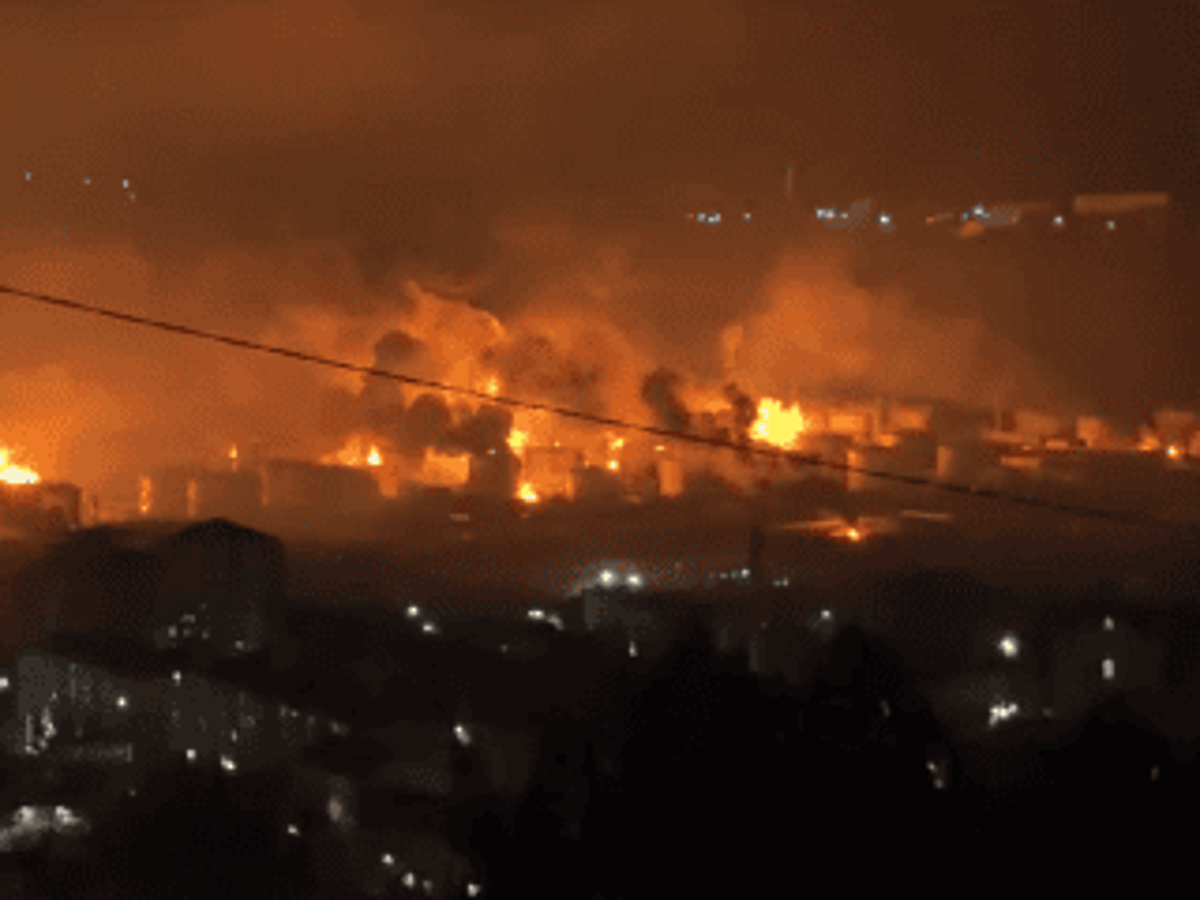
Fire at a Russian Refinery. Ukrainian Drone Attacks Proceed
Why It Matters
Disrupting Tuapse hampers Russia’s sanctioned oil logistics, tightening supply constraints and amplifying environmental health risks for local populations.
Key Takeaways
- •Ukrainian drone ignited fire at Tuapse oil storage facility
- •276 firefighters and 77 vehicles deployed to combat blaze
- •Air pollutants rose to 2‑3× legal limits, prompting health warnings
- •Tuapse port supports Russia’s “shadow fleet” of over 1,000 sanctioned vessels
- •Repeated attacks threaten Russia’s ability to export sanctioned oil
Pulse Analysis
The recent drone‑borne explosion at Tuapse underscores Ukraine’s evolving aerial campaign against Russian energy infrastructure. Unlike conventional missile strikes, low‑observable drones can penetrate coastal defenses and target vulnerable storage tanks, igniting fires that are difficult to contain. The resulting plume of benzene, xylene and soot not only degrades local air quality but also raises public‑health alarms, compelling authorities to advise residents to seal their homes. Such incidents illustrate how modern warfare extends beyond kinetic damage to encompass environmental and civilian welfare dimensions.
Tuapse’s strategic value lies in its role as a gateway for Russia’s so‑called “shadow fleet,” a clandestine network of more than a thousand tankers that evade sanctions by frequently changing flags and ownership. By striking the port’s storage facilities, Ukraine directly attacks the logistical backbone that enables these vessels to load, blend, and ship crude oil under the radar of Western monitoring. Each successful disruption forces the fleet to reroute, delay shipments, or risk interception, thereby eroding the profitability of sanctioned oil sales and tightening the economic pressure on Moscow.
For global energy markets, the cumulative effect of repeated attacks on ports like Tuapse could tighten the supply of Russian crude, nudging benchmark prices upward and prompting buyers to seek alternative sources. Ukraine’s strategy signals a willingness to sustain a long‑term campaign that blends kinetic strikes with environmental leverage, while Russia may respond by hardening coastal defenses or accelerating the decentralization of its export nodes. Stakeholders—from investors to policy makers—should monitor how these dynamics reshape sanction efficacy and the broader geopolitics of oil trade.
Fire at a Russian refinery. Ukrainian drone attacks proceed
Comments
Want to join the conversation?
Loading comments...