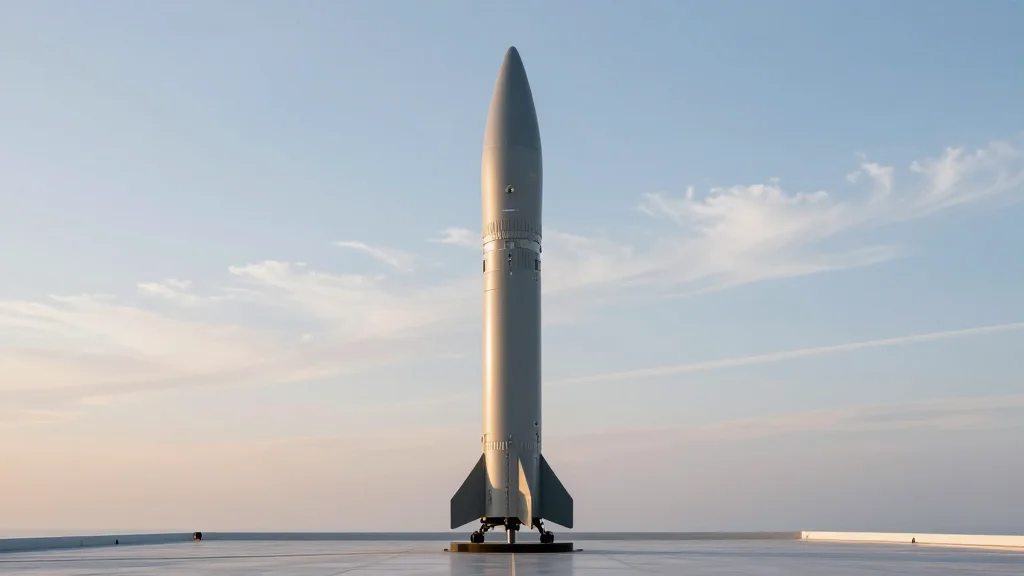
First Sentinel Flight Test Expected in 2027, Says Northrop Grumman
Companies Mentioned
Why It Matters
Accelerating Sentinel’s test schedule strengthens U.S. strategic deterrence while modernizing a half‑century‑old missile force, influencing defense spending and contractor pipelines.
Key Takeaways
- •Sentinel pad launch test slated for 2027, ahead of GAO estimate
- •All missile components built and individually tested, now integrating full system
- •Program aims to replace 50‑year‑old Minuteman III ICBMs
- •FY2027 budget request allocates $4.6 billion to Sentinel development
- •Northrop Grumman expects final cost figures by year‑end
Pulse Analysis
The Sentinel program represents the most significant overhaul of America’s land‑based nuclear arsenal in decades. The Minuteman III missiles, first deployed in the 1970s, are approaching the end of their service life, prompting the Air Force to seek a modern, reliable replacement. Sentinel’s design incorporates advanced propulsion, hardened electronics, and improved survivability against emerging threats, ensuring the United States maintains a credible second‑strike capability in a rapidly evolving strategic environment.
Northrop Grumman’s recent update underscores a rapid transition from component validation to full‑system testing. By completing individual subsystem trials ahead of schedule, the contractor has unlocked a pathway to integrate propulsion, guidance, and warhead interfaces within a single test vehicle. The FY2027 budget request of $4.6 billion reflects both the accelerated timeline and the heightened focus on cost containment, with final program cost estimates expected by year‑end. This infusion of capital not only funds the test campaign but also supports the construction of a prototype launch facility, a critical infrastructure element for realistic operational validation.
The broader implications extend beyond the Pentagon’s budget. An earlier Sentinel test window could stimulate the defense industrial base, offering new contracts to sub‑tier suppliers in propulsion, avionics, and materials science. Moreover, the program’s progress may influence NATO allies’ own deterrence postures, as the United States demonstrates a commitment to maintaining a modern, survivable ICBM force. While technical hurdles remain—particularly in integrating next‑generation guidance with legacy launch infrastructure—the momentum reported by Northrop Grumman suggests the Sentinel timeline is now on a firmer footing, reshaping the strategic calculus for the next generation of nuclear deterrence.
First Sentinel flight test expected in 2027, says Northrop Grumman
Comments
Want to join the conversation?
Loading comments...