Why It Matters
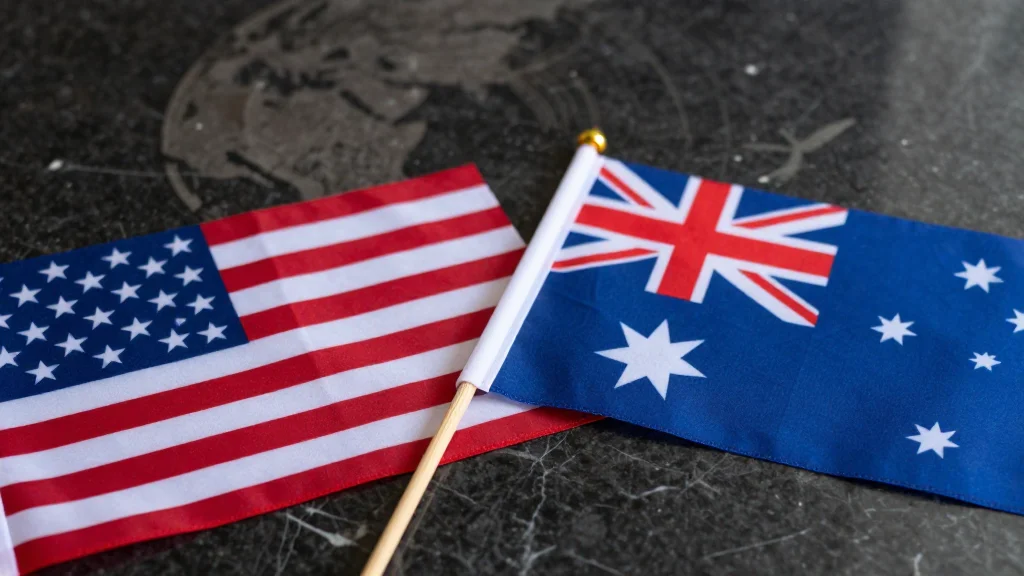
If confirmed, Brat could strain U.S. intelligence sharing with Australia and its Five Eyes allies, potentially limiting coordinated responses to regional threats. The episode underscores how diplomatic appointments can impact broader security architectures.
Key Takeaways
- •Dave Brat nominated as U.S. ambassador to Australia
- •Brat previously accused FBI, CIA of political bias
- •Five Eyes alliance may face trust challenges under Brat
- •Australia signals willingness to work with any appointed ambassador
- •U.S. intelligence community concerned about potential intel sharing limits
Pulse Analysis
The Trump administration’s choice of Dave Brat for the Australian ambassadorship is more than a routine diplomatic shuffle; it tests the resilience of the Five Eyes partnership that underpins U.S. security in the Indo‑Pacific. Brat’s past accusations that the FBI and CIA were politicized during the 2020 election have drawn criticism from intelligence officials who fear his skepticism could translate into reduced cooperation on signals and human intelligence. While the ODNI maintains that ties with Canberra remain strong, senior Senate members have signaled a need to probe how Brat’s views might affect joint operations, especially as the alliance confronts divergent policies on Russia and emerging threats in the region.
Australia’s strategic location makes it a linchpin for monitoring Chinese activity and supporting U.S. interests across the Pacific. Prime Minister Anthony Albanese’s neutral stance—"I’ll work with whoever is determined to be the ambassador"—reflects a pragmatic approach that prioritizes operational continuity over political rhetoric. Yet behind the diplomatic courtesy, Australian intelligence leaders are quietly assessing whether Brat’s America‑First posture could limit the depth of classified exchanges, particularly on sensitive topics like cyber‑espionage and counter‑terrorism. The broader Five Eyes community, including the U.K., Canada and New Zealand, has already voiced unease about potential restrictions on human‑intelligence sharing, hinting at a possible recalibration of trust.
The episode illustrates a larger trend: diplomatic appointments are increasingly scrutinized for their impact on intelligence ecosystems. As the U.S. pivots its focus toward the Iran conflict and scales back certain overseas missions, allies are re‑evaluating the reliability of American intelligence commitments. For businesses operating in the region, any dip in intelligence flow could affect risk assessments, supply‑chain security, and investment decisions tied to critical minerals and defense contracts. Ultimately, the Brat nomination serves as a bellwether for how political loyalty may intersect with the practical demands of multinational security cooperation, a balance that will shape the Five Eyes’ effectiveness in the years ahead.
Five Eyes in focus with Brat nomination
Comments
Want to join the conversation?
Loading comments...