Flexible Dual-Use Claims Could Be New Global Trade Chokepoint
Why It Matters
An increasingly vague dual‑use regime can destabilize global supply chains, inflating insurance costs and prompting rerouting that harms trade efficiency. Clear, evidence‑based controls are essential to balance security objectives with the free flow of commerce.
Key Takeaways
- •EU dual‑use exports jumped to $66.9 bn in 2022, with denials up 46%
- •Over 15,000 Western electronic shipments reached Russia after its 2022 invasion
- •Maritime firms adjust routes after just a few high‑profile seizures
- •Elastic dual‑use definitions turn ordinary cargo into strategic liabilities
- •Lack of transparent criteria fuels selective coercion and market uncertainty
Pulse Analysis
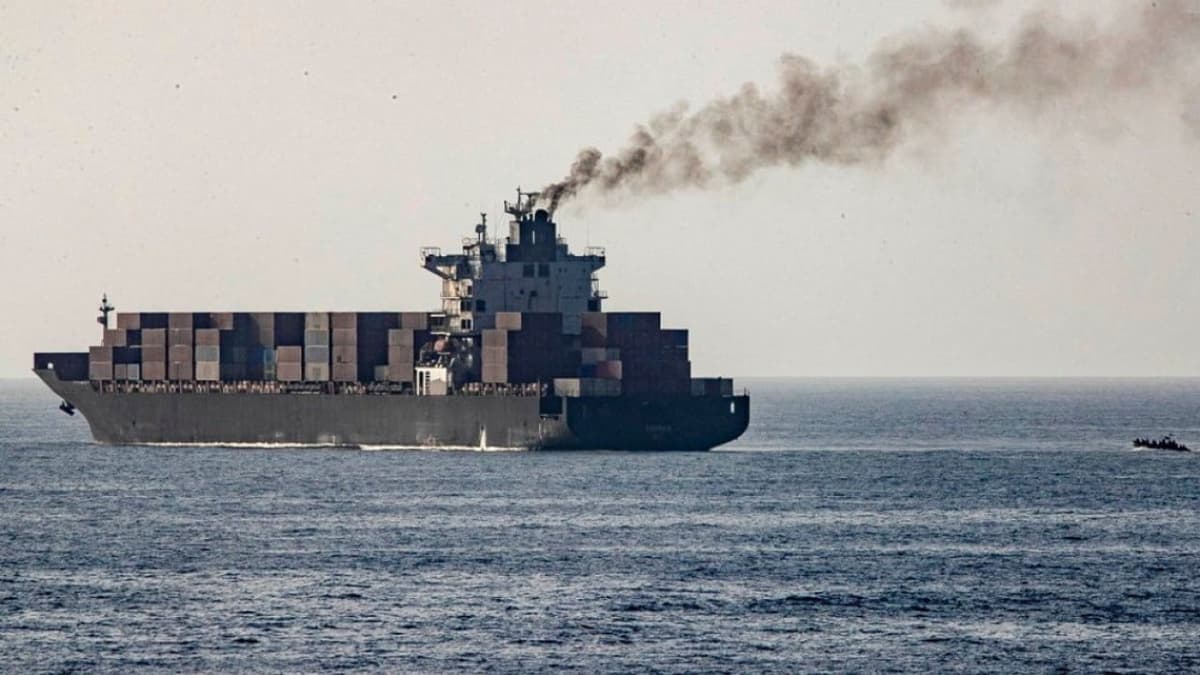
The recent seizure of the Iranian‑flagged vessel Touska underscores a shifting paradigm in export control enforcement. While the ship was accused of transporting dual‑use components, the broader implication is that modern conflicts have broadened what qualifies as strategic material. Studies show thousands of commercially available parts have found their way into Russian weapons systems, and EU data reveal dual‑use exports surged to $66.9 bn in 2022, accompanied by a 46% rise in export denials. This trend signals that authorities are increasingly willing to intervene based on potential end‑use rather than definitive military function.
For the shipping industry, the stakes are immediate. Insurers, freight forwarders, and commodity traders rely on predictability; a single high‑profile interdiction can trigger rerouting, over‑compliance, and higher premiums across entire trade corridors. Recent cases—from a U.S. operation in the Indian Ocean to India’s seizure of a Pakistan‑bound shipment—demonstrate that legal jurisdictions and strategic calculations vary widely, creating a patchwork of risk assessments. Companies now must factor in not only the physical nature of goods but also the geopolitical lens through which those goods may be viewed.
Policymakers face a delicate balancing act. While dual‑use controls are vital for non‑proliferation, an overly elastic definition risks converting ordinary commerce into a battlefield of regulatory uncertainty. Experts call for clearer evidentiary standards, transparent classification criteria, and robust end‑use verification to prevent the emergence of a de‑facto blockade. By tightening guardrails, the international community can preserve the integrity of global trade while still addressing genuine security concerns.
Flexible dual-use claims could be new global trade chokepoint
Comments
Want to join the conversation?
Loading comments...