For Iran, Hormuz Is More a Weakness Than a Weapon
Why It Matters
The blockade threatens Iran’s primary revenue stream, potentially destabilizing the regime and reshaping geopolitical calculations in the Middle East energy market.
Key Takeaways
- •U.S. blockade targets Hormuz, a vital oil transit corridor
- •Iran’s leverage hinges on strait’s shipping volume, not military might
- •Blockade could cut up to 20% of Iran’s oil export earnings
- •Regime’s fiscal stability faces unprecedented pressure from maritime restrictions
Pulse Analysis
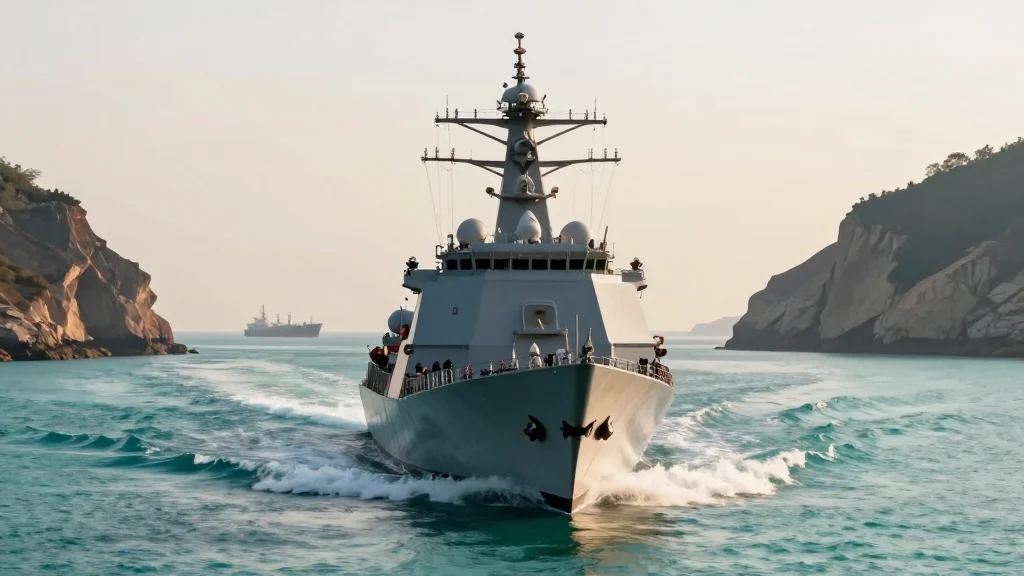
The Strait of Hormuz remains one of the world’s most consequential maritime passages, funneling roughly 20% of global oil consumption daily. By interdicting vessels in this narrow waterway, the United States has effectively weaponized a commercial route, forcing shipping companies to reroute or halt shipments. This strategy not only disrupts the flow of crude but also sends a clear signal to Tehran that its traditional bargaining chip—control over a chokepoint—can be neutralized by superior naval power.
For Iran, the blockade exposes a paradox: the same strait that once amplified its geopolitical clout now threatens its economic lifeline. Tehran relies heavily on oil export revenues, estimated at $10‑12 billion annually, to fund its military, social programs, and the patronage networks that sustain the regime. A sustained closure could slash these earnings by a fifth, intensifying domestic inflation and eroding public confidence. Moreover, the loss of transit fees and ancillary services compounds the fiscal strain, potentially accelerating internal dissent and weakening the regime’s grip on power.
The broader market implications are equally significant. Energy traders anticipate tighter supply, which could push Brent crude above $95 per barrel in the short term. Regional allies, such as Saudi Arabia and the United Arab Emirates, may recalibrate their diplomatic postures, balancing between supporting U.S. pressure and safeguarding their own shipping interests. In the long run, the blockade could catalyze alternative routes, like the proposed Qatar‑UAE pipeline, reshaping the strategic calculus of Middle‑East energy logistics. Stakeholders should monitor diplomatic overtures, sanctions adjustments, and any Iranian counter‑measures that could further destabilize the already volatile market.
For Iran, Hormuz Is More a Weakness Than a Weapon
Comments
Want to join the conversation?
Loading comments...