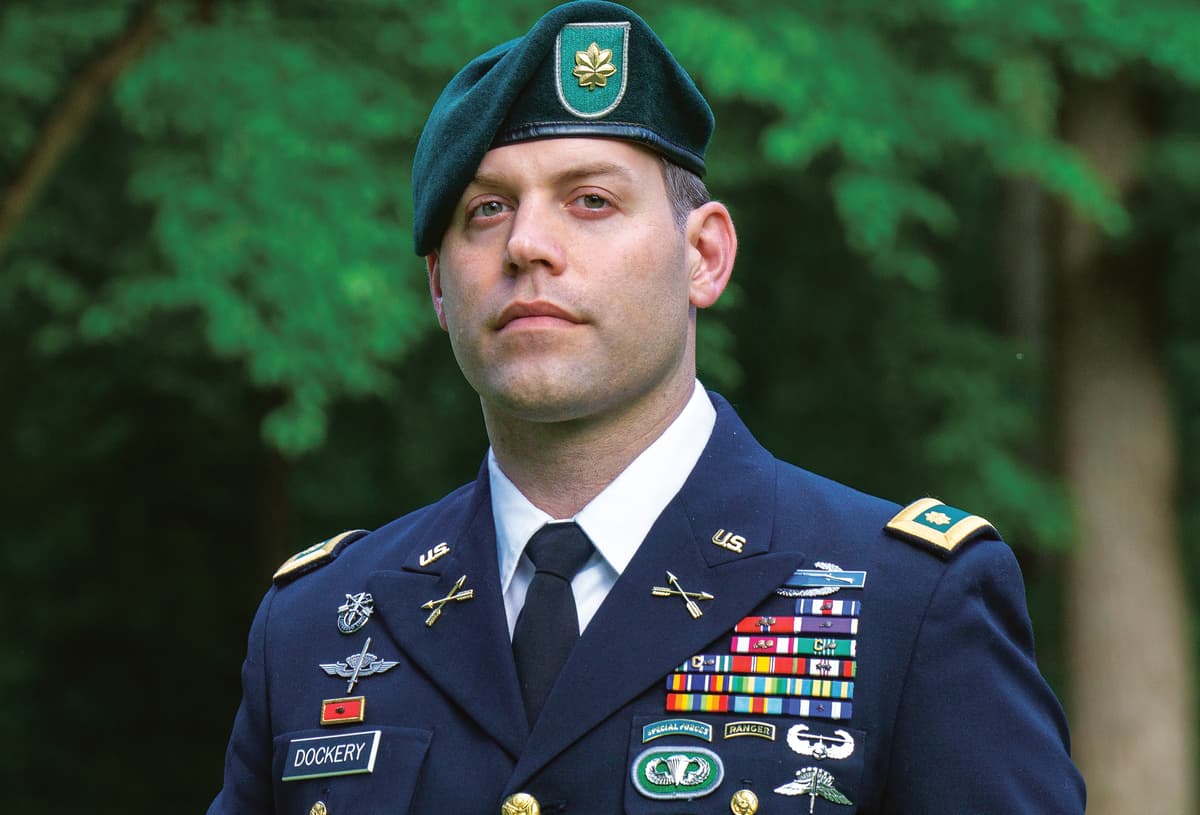
Former Military Times Soldier of the Year Approved for Medal of Honor
•March 5, 2026
0
Why It Matters
The approval spotlights extraordinary heroism in contemporary asymmetric warfare and reinforces the military’s commitment to recognizing frontline valor, influencing morale and award standards across the services.
Key Takeaways
- •Congress unanimously approved Medal of Honor authorization.
- •Dockery earned two Silver Stars, rare post‑9/11 distinction.
- •Heroic 2012 Afghanistan rescue saved wounded sergeant.
- •Award pending Army Decoration Board recommendation.
- •Recognition underscores valor in modern asymmetric warfare.
Pulse Analysis
The Medal of Honor, America’s most prestigious combat decoration, follows a rigorous legislative and military vetting process that rarely culminates in a congressional vote. Dockery’s case is notable not only for the unanimous Senate approval but also for the seven‑year review that began after a 2019 recommendation from a former West Point superintendent. This timeline underscores how the Department of Defense balances historical precedent with contemporary operational realities, ensuring that each award reflects both individual gallantry and the evolving nature of warfare.
Dockery’s 2012 engagement in Kapisa province exemplifies the split‑second decision‑making demanded of modern Special Operations leaders. By repeatedly exposing himself to hostile fire, shielding comrades from grenades, and orchestrating close‑air support via smoke signals, he demonstrated the blend of tactical acumen and personal courage that defines today’s elite infantry. His actions also highlight the increasingly joint nature of combat, where U.S. forces coordinate with Afghan partners and air assets to counter well‑armed insurgents, a model that informs current doctrine across the Army and SOCOM.
Beyond the battlefield, the pending Medal of Honor carries symbolic weight for the armed forces and the broader public. Congressional endorsement signals bipartisan support for honoring service members who embody the highest standards of sacrifice, potentially influencing future award considerations for operations in Iraq, Syria, and other theaters. As the Army Decoration Board prepares its recommendation, the decision will reverberate through recruitment messaging, veteran advocacy, and the cultural narrative that valor remains a cornerstone of American military identity.
Former Military Times Soldier of the Year Approved for Medal of Honor
0
Comments
Want to join the conversation?
Loading comments...