Companies Mentioned

Why It Matters
Validating the seeker at supersonic speeds clears a critical hurdle, accelerating MICA NG’s path to fielding and enhancing NATO allies’ ability to counter emerging low‑signature aerial threats. It also underscores Europe’s strategic push for sovereign defense technology.
Key Takeaways
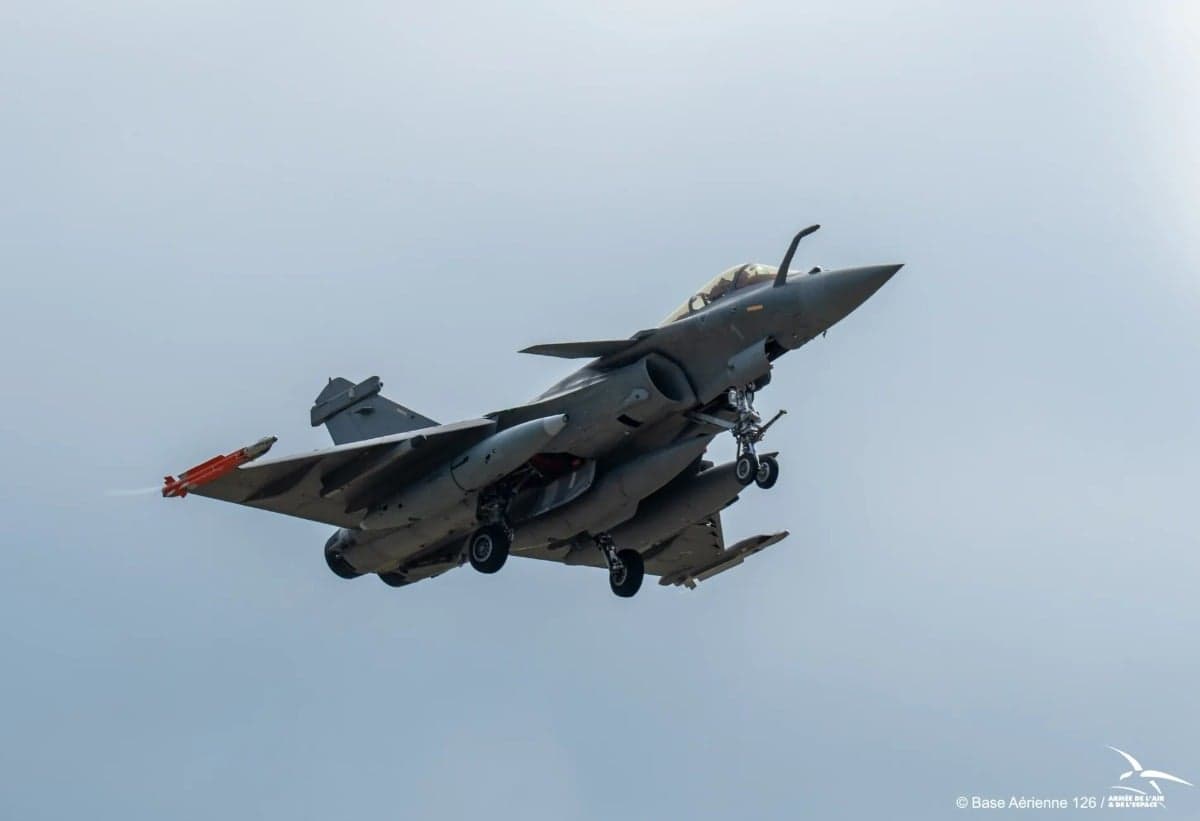
- •MBDA completed second MICA NG supersonic launch from Rafale.
- •Test proved infrared seeker works under high‑temperature supersonic conditions.
- •MICA NG targets drones, stealth fighters, and maneuverable cruise missiles.
- •Program moves closer to operational service after June 2025 baseline test.
- •France retains sovereign air‑to‑air missile capability without US export licenses.
Pulse Analysis
The supersonic launch of the MICA NG from a Rafale represents a pivotal step in Europe’s air‑to‑air missile evolution. While earlier development shots confirmed baseline performance, this test stressed the missile’s infrared seeker in the thermally noisy environment created by Mach‑1 flight. Aerodynamic heating can mask a target’s heat signature, so proving the seeker’s discrimination ability under those conditions validates the missile’s core guidance architecture and paves the way for the next series of qualification firings.
MICA NG’s design reflects a shift in aerial threat landscapes. Modern battlefields see a proliferation of low‑observable platforms—tiny tactical drones, stealth fighters, and highly maneuverable cruise missiles—each presenting minimal infrared or radar signatures. By integrating a more sensitive seeker and advanced algorithms, the new missile promises reliable engagement of these targets, filling a capability gap left by legacy short‑to‑medium range weapons. This positions MBDA to compete not only with U.S. offerings like the AIM‑9X but also to meet the specific requirements of European air forces seeking home‑grown solutions.
Strategically, the successful test reinforces France’s sovereign defense industrial base. MBDA, co‑owned by Airbus, BAE Systems and Leonardo, can deliver a fully indigenous missile without U.S. export‑license constraints, an advantage as NATO allies increase defense spending and diversify supply chains. As the qualification timeline advances, the MICA NG could become a cornerstone for future Rafale upgrades and a potential export product for partners seeking a European alternative to American air‑to‑air missiles, further solidifying Europe’s strategic autonomy.
France fires next-gen air missile from Rafale
Comments
Want to join the conversation?
Loading comments...