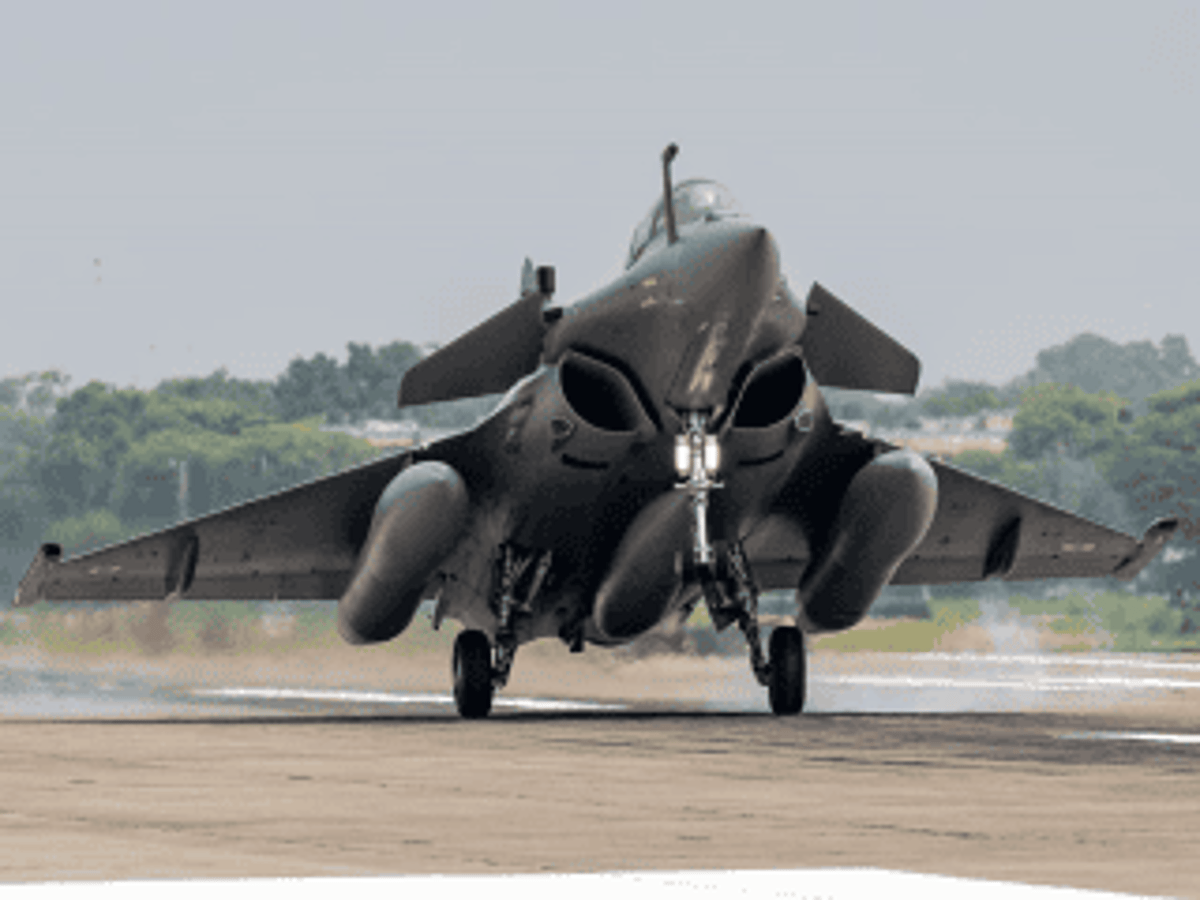
France Risks Rafale Isolation as India Pushes Back
Why It Matters
The standoff highlights a market trend where buyers demand technology sharing, jeopardizing France’s financing model and potentially reshaping future fighter‑jet collaborations.
Key Takeaways
- •UAE exited Rafale F5 over optronics technology transfer dispute
- •India demands access to Rafale digital architecture, threatens to cancel deal
- •France may need to fund multi‑billion‑euro program alone (~$3.3 bn)
- •Shrinking partner pool jeopardizes timeline and credibility of Rafale F5
- •Global defense buyers now prioritize technology sharing over sole‑source contracts
Pulse Analysis
The Rafale F5, France’s flagship sixth‑generation fighter, is designed to replace the current Rafale fleet and compete with the U.S. F‑35 and Sweden’s Gripen E. Development costs run into several billion euros—roughly $3.3 billion—and the program was built around a multinational partnership model that spreads risk and secures export markets. Historically, partners such as the United Arab Emirates and Qatar have contributed both capital and local production lines, reinforcing France’s defence industrial base and giving the aircraft a broader customer pool. The platform also promises advanced sensor fusion and AI‑driven decision aids.
The UAE’s abrupt exit this year stemmed from a stalemate over optronics and other sensitive technologies, exposing the limits of France’s reluctance to share core know‑how. In New Delhi, the negotiation over 114 Rafale jets has hit a similar wall: Indian officials insist on full access to the aircraft’s digital architecture, including the Interface Control Document, or risk walking away. This demand reflects a wider shift toward strategic autonomy, where emerging powers seek to own the software and integration layers that underpin modern combat aircraft. Such conditions also raise concerns about export licensing and long‑term sustainment.
If France cannot attract new partners, it will shoulder the full development bill and likely face schedule slips, weakening the Rafale’s market appeal at a time when competitors are offering more open‑source solutions. European allies may turn to joint programs such as the Future Combat Air System, while countries like India could pivot to alternatives that guarantee technology transfer. A re‑engineered financing scheme, perhaps involving private equity, could mitigate some exposure. Ultimately, France’s stance on technology sharing could erode its reputation as a reliable defence supplier, reshaping global fighter‑jet procurement dynamics for the next decade.
France risks Rafale isolation as India pushes back
Comments
Want to join the conversation?
Loading comments...