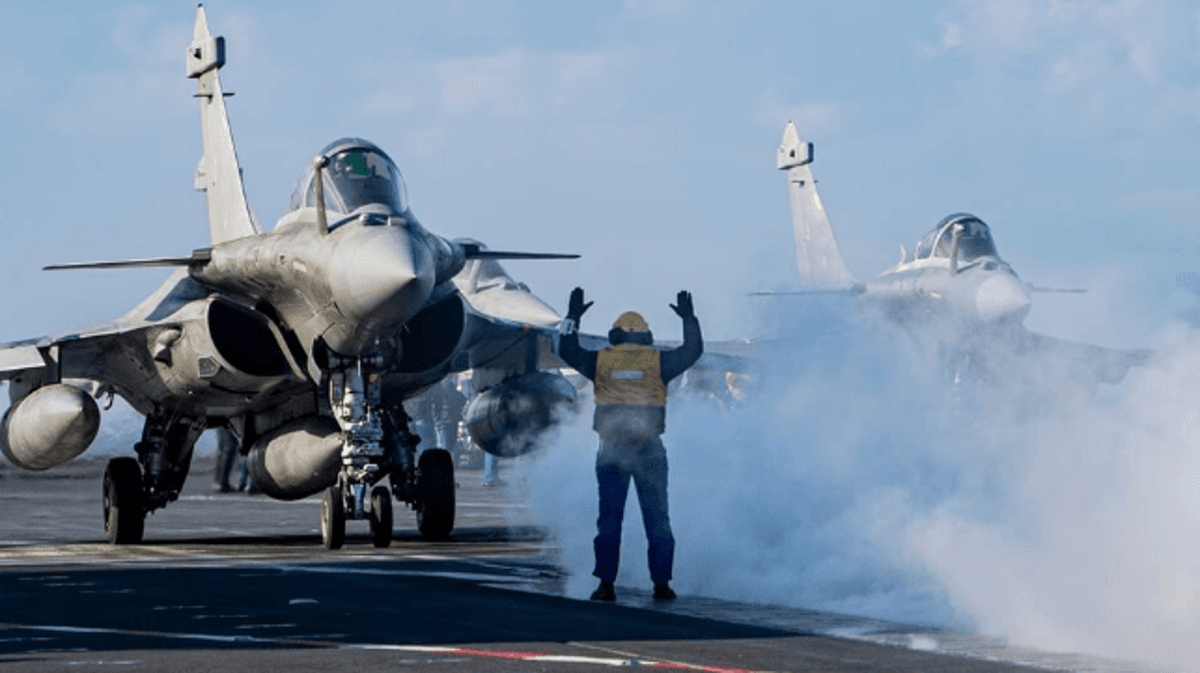
French Carrier Charles De Gaulle Safely Transits Strait of Bab El Mandeb
Companies Mentioned
Why It Matters
The carrier’s unimpeded passage signals a de‑escalation of maritime threats in the Red Sea, supporting smoother oil flows and reinforcing NATO‑aligned naval presence. It also underscores a tentative political thaw in Yemen, which could stabilize a key chokepoint for world energy markets.
Key Takeaways
- •French carrier Charles de Gaulle safely transited Bab el‑Mandeb, now in Djibouti
- •Houthi media silence suggests de‑escalation in Yemen’s civil war
- •Saudi Yanbu crude loadings rose to ~3.3 million bpd in March
- •Reduced Houthi attacks improve Red Sea shipping safety and oil flow
Pulse Analysis
The arrival of France’s flagship carrier, Charles de Gaulle, in Djibouti marks a rare glimpse into Western naval operations in a region long shrouded by operational secrecy. By threading the Bab el‑Mandeb without incident, the carrier strike group demonstrates both the French Navy’s confidence in its anti‑air and anti‑submarine capabilities and the diminishing effectiveness of Houthi maritime surveillance. For commercial shipping firms, the carrier’s safe passage serves as a bellwether that the Red Sea’s high‑risk profile may be receding, encouraging insurers to reassess premium levels for vessels transiting the corridor.
Underlying the naval development is a broader political shift in Yemen. Recent prisoner‑exchange deals between the Houthis and the internationally recognized government, coupled with the cessation of the Houthis’ weekly propaganda broadcasts, point to a tentative de‑escalation of the protracted civil war. Analysts note that Saudi‑backed forces are consolidating authority in the south, marginalizing rival factions and creating a more predictable security environment. While sporadic skirmishes persist, the reduced rhetoric and fewer drone incidents suggest that the conflict’s intensity is waning, which could pave the way for more substantive peace negotiations under UN auspices.
Energy markets are already feeling the ripple effects. Yanbu’s crude loading rates have jumped from 800,000 barrels per day in February to roughly 3.3 million bpd in March, with plans to hit 5 million bpd by month‑end. This surge compensates for the 20 million bpd of Gulf exports lost in April when the Strait of Hormuz was temporarily closed. A calmer Red Sea, bolstered by diminished Houthi attacks, ensures that Saudi Aramco’s export pipelines can operate at near‑full capacity, stabilizing global oil supply dynamics and easing price volatility for downstream consumers.
French Carrier Charles De Gaulle Safely Transits Strait of Bab el Mandeb
Comments
Want to join the conversation?
Loading comments...