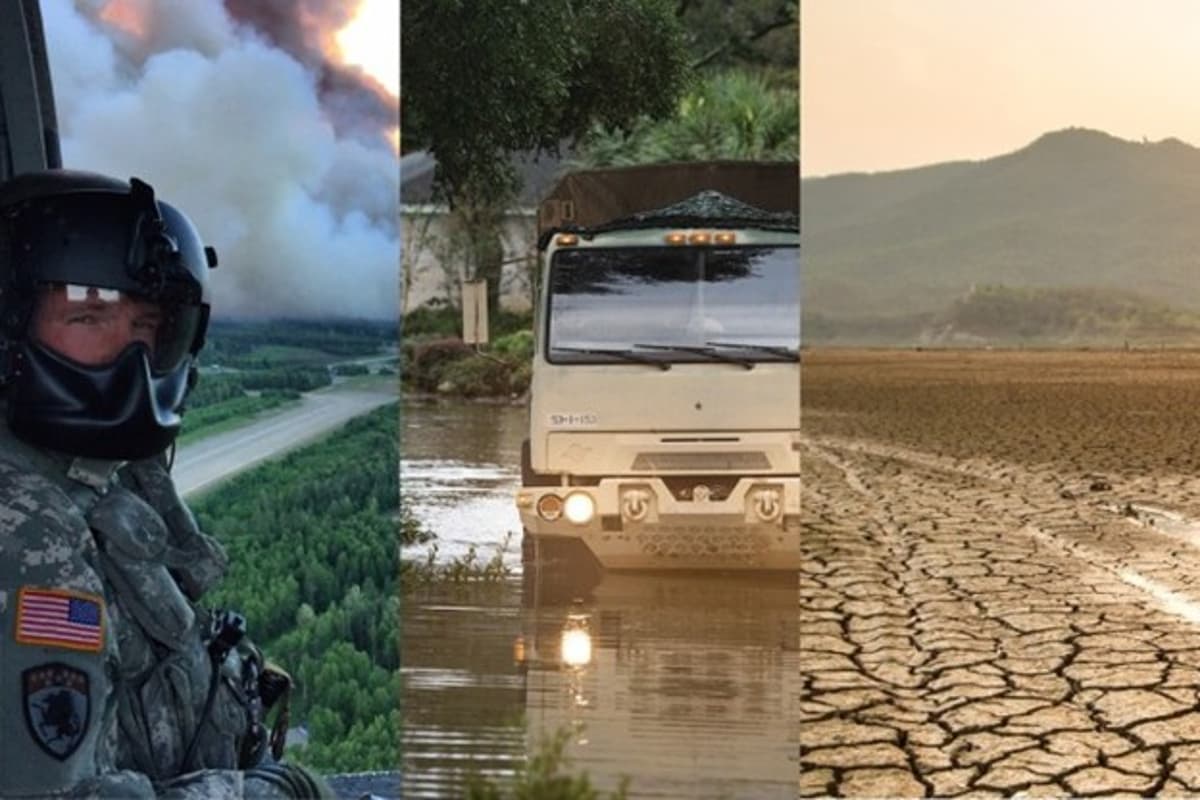
From Readiness to Resilience: Two Decades of Extreme Weather Impacts on US Military Infrastructure
•February 20, 2026
0
Why It Matters
Infrastructure disruptions erode mission assurance and force readiness, compromising national security. Accelerating climate impacts demand a coordinated, resilient strategy to safeguard critical defense assets.
Key Takeaways
- •Hurricanes cause multibillion‑dollar damage to coastal bases.
- •Wildfires disrupt training and degrade air quality at western installations.
- •Aging infrastructure amplifies climate‑related vulnerability.
- •DoD climate plans exist but implementation remains uneven.
- •Repeated floods strain energy, water, and mission readiness.
Pulse Analysis
The accelerating pace of extreme weather is reshaping the risk landscape for U.S. military bases. Hurricanes, once seasonal nuisances, now arrive with slower movement and record rainfall, producing catastrophic flooding that overwhelms coastal installations like Naval Station Norfolk and Tyndall Air Force Base. These events generate immediate operational setbacks—loss of housing, damaged airfields, and disrupted logistics—while also imposing long‑term financial burdens as repair costs climb into the billions. Understanding these patterns helps defense planners anticipate budgetary pressures and prioritize hardening projects for the most exposed sites.
Beyond the coasts, western wildfires and prolonged droughts have introduced new operational constraints. Fires at Camp Pendleton and Vandenberg Space Force Base have forced evacuations, destroyed training ranges, and degraded air quality, limiting flight operations and endangering personnel health. Simultaneously, heat waves across the Southwest have curtailed outdoor training, increased cooling demand, and strained water supplies at installations such as Fort Hood and Fort Irwin. These chronic stressors erode readiness over time, highlighting the need for adaptive training schedules and resilient utility systems that can withstand prolonged temperature extremes.
Policy responses are evolving, but gaps remain. The DoD’s Climate Adaptation Plan and service‑specific resilience strategies signal a strategic shift toward integrating climate risk into acquisition and infrastructure planning. However, GAO reports continue to flag maintenance backlogs and uneven implementation across branches. To close this gap, the military must align funding, accelerate modernization of aging facilities, and embed climate analytics into mission‑critical decision making. A proactive, data‑driven resilience framework will ensure that installations can sustain operational capability despite an increasingly volatile climate.
From Readiness to Resilience: Two Decades of Extreme Weather Impacts on US Military Infrastructure
0
Comments
Want to join the conversation?
Loading comments...