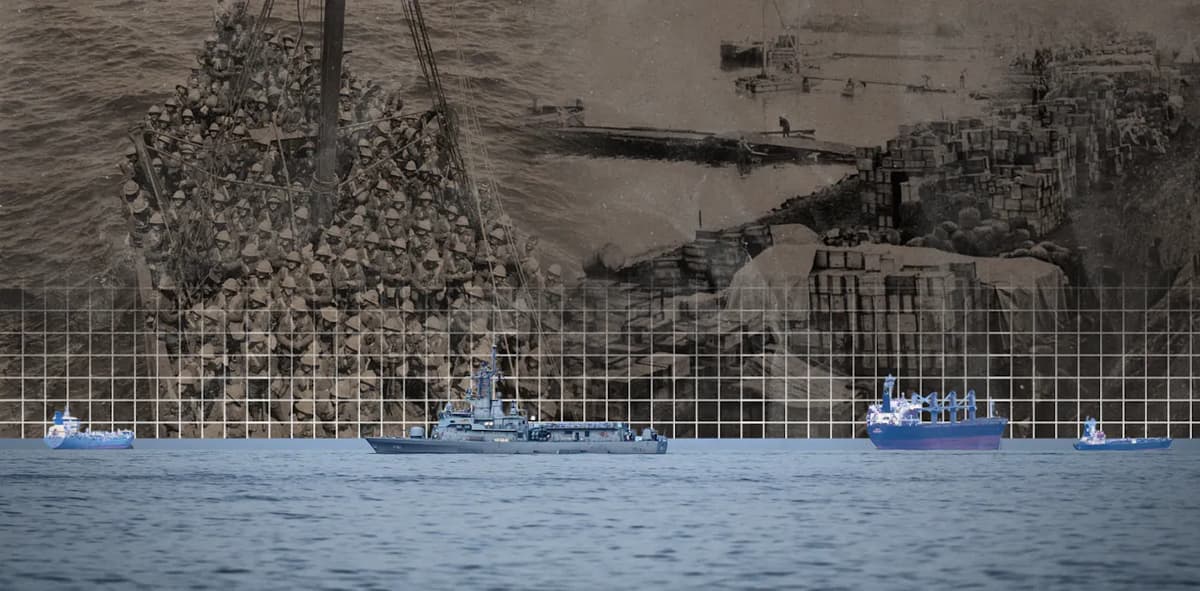
Gallipoli Has 4 Lessons for the Strait of Hormuz Crisis
Why It Matters
Understanding Gallipoli’s failures helps policymakers and businesses gauge the risks of escalating military actions in the Hormuz corridor, where disruptions could spike oil prices and destabilize supply chains worldwide.
Key Takeaways
- •Naval blockades in choke points invite costly land‑based counterattacks
- •Overreliance on charismatic leaders can blind strategic assessment
- •Underestimating Iran’s resolve risks prolonged conflict
- •Mission creep escalates resources and political stakes
- •Disrupting Hormuz threatens global energy and fertilizer markets
Pulse Analysis
The Gallipoli campaign illustrates how a seemingly limited naval operation can spiral into a massive, blood‑soaked stalemate when strategic planners ignore land‑based threats in narrow waterways. British and French forces, convinced that obsolete warships could force the Dardanelles, were blindsided by Turkish artillery and mines, losing a third of their fleet and hundreds of thousands of lives. Historians cite the episode as a cautionary tale of hubris, inadequate intelligence, and the perils of relying on a single dominant personality to drive complex military decisions.
Today, the Strait of Hormuz—through which roughly 20% of global oil passes—faces a comparable test. The United States has moved to block Iranian ports, citing Tehran’s claims of sovereignty over the waterway. While the intent is to pressure Iran, the move risks entangling the U.S. in a protracted naval standoff, echoing Gallipoli’s mission creep. Energy markets are already feeling the strain; oil futures have surged, and fertilizer exports—critical for global agriculture—are under threat, amplifying the economic fallout for both developed and emerging economies.
For Australia and other maritime nations, the lesson is clear: naval power alone cannot guarantee control of chokepoints that are increasingly vulnerable to cheap, land‑based missile and drone systems. Decision‑makers must weigh the long‑term costs of escalation against short‑term geopolitical gains. A diversified strategy that combines diplomatic engagement, targeted sanctions, and robust risk assessment can mitigate the financial and human toll while preserving vital trade routes. In an era where supply‑chain resilience is paramount, the Gallipoli analogy serves as a strategic warning against repeating history’s costly mistakes.
Gallipoli has 4 lessons for the Strait of Hormuz crisis
Comments
Want to join the conversation?
Loading comments...