GAO Report Highlights Gaps in Pentagon’s Disaster Tracking and Resilience Planning
Why It Matters
Accurate cost data and integrated resilience are essential for allocating resources and maintaining operational readiness amid escalating climate threats. Without them, the Pentagon risks reactive, costly rebuilds that undermine national defense capabilities.
Key Takeaways
- •DOD lacks a unified system to track all disaster-related costs.
- •Earthquake damages are excluded from the current 2024 monitoring initiative.
- •Resilience upgrades exist, but funding gaps stall many installation projects.
- •Guidance fails to link master‑plan resilience data with disaster recovery actions.
- •GAO recommends expanding data scope and integrating resilience into recovery protocols.
Pulse Analysis
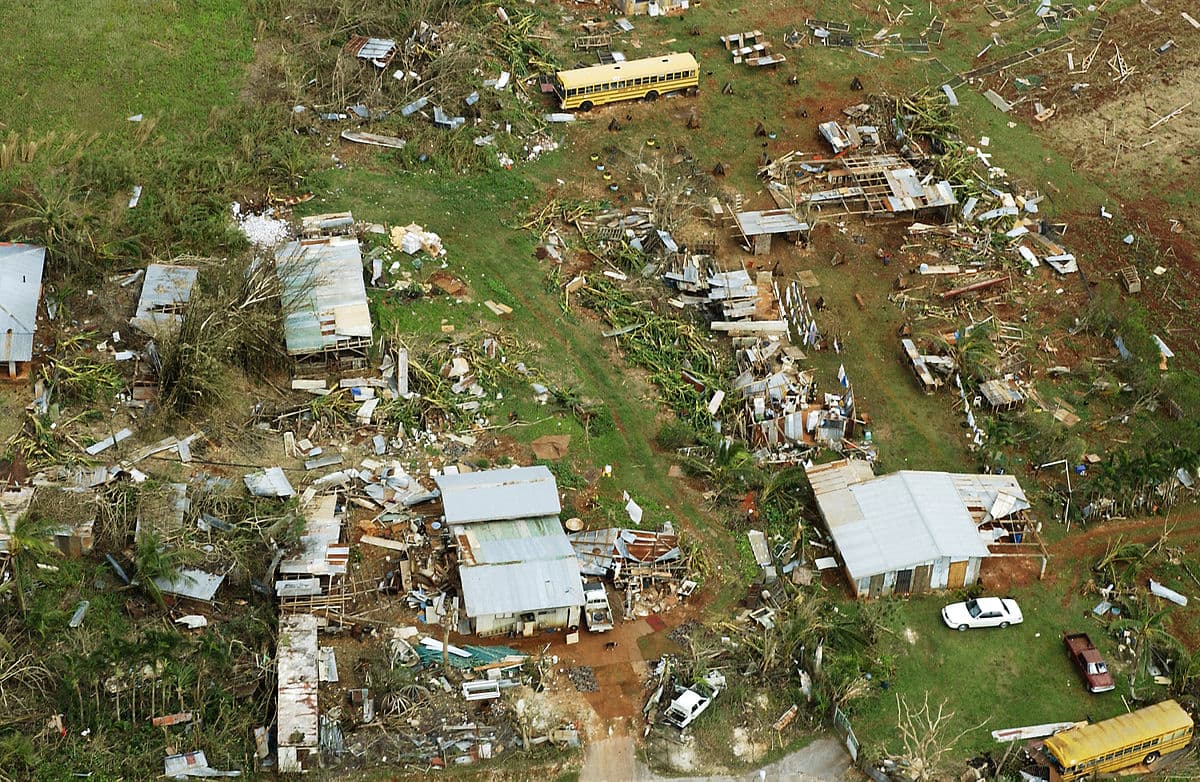
The GAO’s latest assessment arrives as climate‑driven events increasingly test the U.S. military’s infrastructure. Over the past decade, hurricanes, floods, wildfires and earthquakes have collectively caused billions of dollars in damage to bases that support training, logistics and forward‑deployed forces. By spotlighting the financial strain of these incidents, the report underscores a growing fiscal pressure on the Department of Defense, which must balance readiness budgets against unpredictable recovery costs.
A central flaw identified is the narrow scope of DOD’s 2024 disaster‑tracking initiative, which omits seismic events and relies on early, often estimated, cost submissions. This data gap hampers the Pentagon’s ability to forecast future funding needs, allocate appropriations efficiently, and satisfy congressional oversight requirements embedded in the FY‑2024 National Defense Authorization Act. Expanding the tracking system to capture all natural‑disaster categories and enforcing rigorous reporting standards would provide a clearer picture of total exposure and enable more strategic investment decisions.
Resilience planning is progressing, but uneven implementation and a lack of clear guidance linking master‑plan resilience metrics to post‑disaster recovery limit its impact. Installations that cannot justify additional projects due to funding constraints miss opportunities to “build back better.” Aligning resilience requirements with recovery protocols would not only safeguard critical infrastructure but also enhance long‑term operational readiness. As climate risks intensify, integrating comprehensive data collection with proactive resilience strategies will be pivotal for the Pentagon’s mission continuity.
GAO Report Highlights Gaps in Pentagon’s Disaster Tracking and Resilience Planning
Comments
Want to join the conversation?
Loading comments...