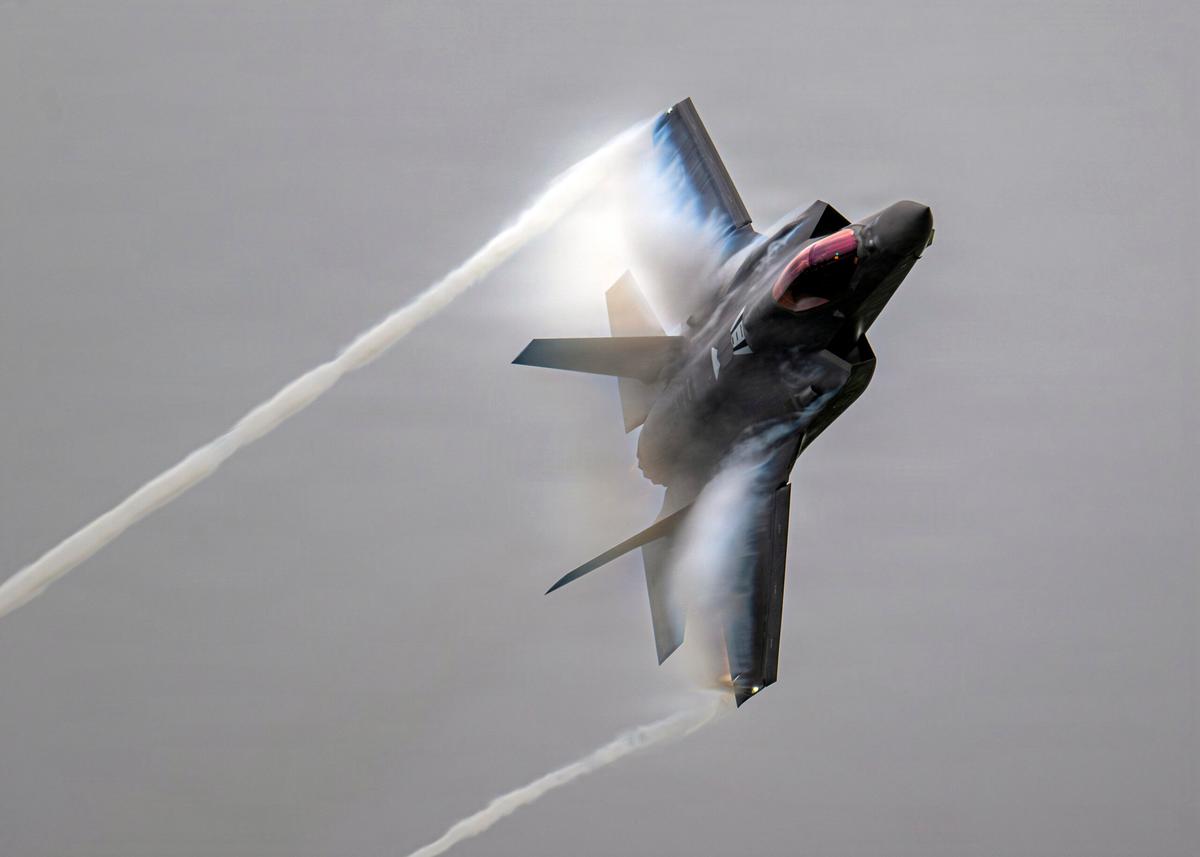
GAO Report: Just Over One in Four F-35As Fully Mission Capable
Companies Mentioned
Why It Matters
Readiness shortfalls jeopardize the United States’ stealth‑fighter edge and could force costly schedule delays for future F‑35 procurements. The funding gap also signals broader fiscal pressures on defense sustainment programs.
Key Takeaways
- •Only 28.5% of Air Force F‑35As were fully mission capable in FY2025
- •Full mission‑capable rates dropped from 54% to 28.5% (2021‑2025)
- •GAO estimates $13.7 billion needed through FY2031 to fix sustainment
- •Global Support Solution Reset aims for 80% mission‑capable by 2030
- •Spare‑parts shortages and corrosion drive readiness decline across all services
Pulse Analysis
The GAO’s latest sustainment audit underscores a systemic readiness crisis for the F‑35 fleet, especially the Air Force’s A‑model. While the aircraft’s advanced stealth and sensor suite remain unrivaled, chronic software bugs, corrosion on airframes, and a chronic shortage of spare components have eroded availability. Over the past five years, full‑mission‑capable (FMC) rates have slipped from a high of 54% in 2021 to just 28.5% in 2025, far short of the service’s 65% target. This decline reflects a strategic trade‑off made early in the program: prioritizing rapid procurement over the development of robust depot and repair capabilities.
Financially, the shortfall translates into a steep price tag. GAO projects $13.7 billion in additional spend through fiscal 2031 to address depot capacity, spare‑parts stockpiles, and maintenance labor. Roughly $7.3 billion would fund depot‑level parts, $3.1 billion would expand depot infrastructure, and $3.3 billion would cover ongoing maintenance and fuel. The Joint Program Office’s Global Support Solution Reset seeks to lift mission‑capable rates to 80% and FMC to 65% by 2030, but its success hinges on securing the full budget and overcoming contractor‑controlled technical data constraints.
For the broader defense ecosystem, the F‑35’s readiness woes send a cautionary signal about the sustainability of high‑technology platforms. Delays in achieving full capability could strain operational planning, especially as the Air Force, Navy and Marine Corps aim to acquire roughly 1,700 additional jets by the mid‑2040s. Industry partners, including Lockheed Martin, are already injecting over $2 billion in advanced funding to accelerate parts production, yet the underlying supply‑chain fragility remains. Policymakers must balance acquisition speed with long‑term sustainment funding to preserve the strategic advantage that the F‑35 promises.
GAO Report: Just Over One in Four F-35As Fully Mission Capable
Comments
Want to join the conversation?
Loading comments...