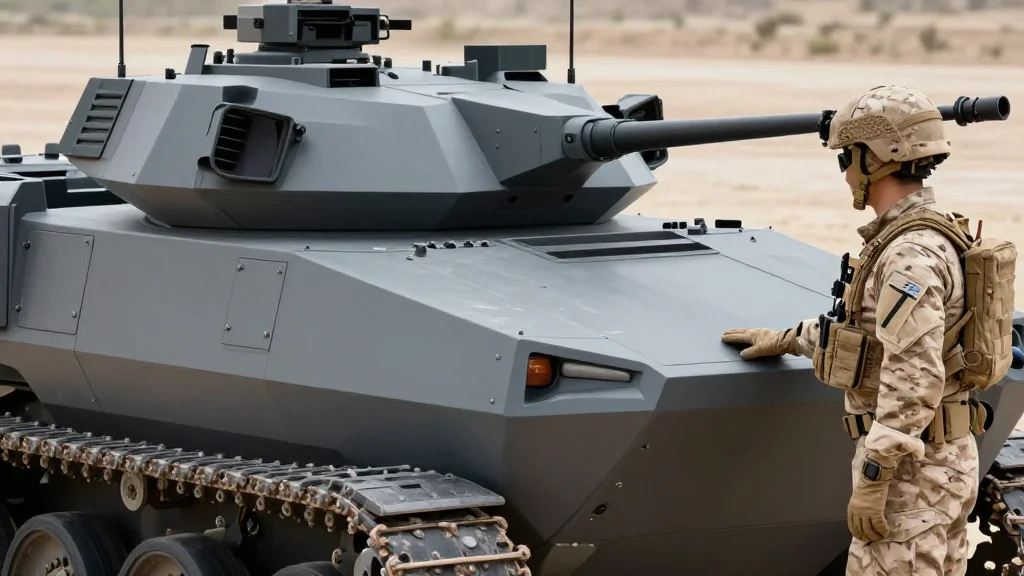
General Dynamics Nets $450M Deal for Next Phase of US Marine Corps ARV Program
Why It Matters
The deal accelerates the Marine Corps’ modernization agenda, delivering a next‑generation, network‑centric combat vehicle that enhances survivability and lethality on future battlefields. It also solidifies General Dynamics’ foothold in the U.S. ground‑vehicle market amid rising defense budgets.
Key Takeaways
- •GDLS secures $450 million pre‑production contract for Marine ARV program.
- •ARV will replace aging Light Armored Vehicle fleet with networked platform.
- •Pre‑production phase includes design validation and multiple vehicle builds.
- •Program aims to deliver higher mobility, protection, and lethal capability.
- •Contract strengthens GDLS position in U.S. ground‑combat vehicle market.
Pulse Analysis
The U.S. Marine Corps is pushing forward its Advanced Reconnaissance Vehicle (ARV) program as part of a broader push to modernize expeditionary forces. Replacing the decades‑old Light Armored Vehicle, the ARV promises a blend of high mobility, advanced sensor suites, and modular lethality that can be tailored to diverse mission sets. In an era where near‑peer adversaries field sophisticated anti‑access weapons, a network‑centric, lightly armored yet survivable platform offers the Marines a decisive edge in rapid‑deployment scenarios.
General Dynamics Land Systems (GDLS) secured a $450 million pre‑production development contract, moving the ARV from prototype validation to low‑rate production. The agreement covers final design confirmation, fabrication of several vehicle variants, and a rigorous series of U.S. Government test and evaluation events. For GDLS, the contract not only guarantees a steady revenue stream but also reinforces its status as the premier supplier of ground combat vehicles to the Department of Defense. The pre‑production phase is expected to span 18‑24 months, after which the Marines will assess field performance before committing to full‑scale production.
Beyond the immediate procurement, the ARV contract signals a shift in defense spending toward highly networked, adaptable platforms that can integrate emerging technologies such as artificial‑intelligence‑driven sensor fusion and directed‑energy weapons. Competitors in the defense industrial base will watch closely, as success could open export opportunities to allied nations seeking similar capabilities. For the broader market, the deal underscores the growing importance of digital battlefield integration and may accelerate investment in related supply chains, from advanced composites to secure communications infrastructure.
General Dynamics nets $450M deal for next phase of US Marine Corps ARV program
Comments
Want to join the conversation?
Loading comments...