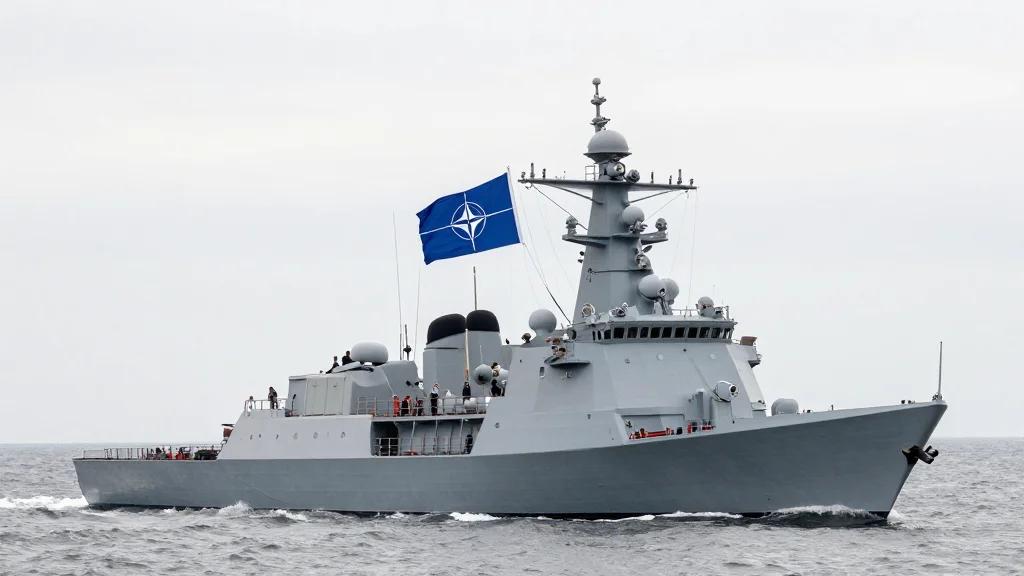
George Answers Your Questions: The Crisis of NATO, and China and the Iran Negotiations
Key Takeaways
- •NATO members debate backing U.S. strikes in contested regions
- •Russia leverages NATO doubts to amplify its security narrative
- •China urges diplomatic resolution, warns against escalation in Iran talks
- •Iran's nuclear talks stall as Tehran seeks broader security guarantees
- •Western alliance cohesion hinges on balancing deterrence and diplomatic outreach
Pulse Analysis
The internal friction within NATO reflects a deeper identity crisis. For decades the alliance has framed itself as a purely defensive coalition, a narrative that helped counter Russian claims of encirclement. Yet recent U.S. proposals for limited strikes in the Middle East have exposed divergent risk appetites among European capitals, forcing policymakers to weigh collective security against national political constraints. This schism not only tests the alliance’s decision‑making mechanisms but also offers Moscow a propaganda foothold to question NATO’s relevance.
Meanwhile, China’s diplomatic overtures in the Iran nuclear negotiations signal a strategic pivot. By positioning itself as a neutral broker, Beijing aims to expand its influence in a region traditionally dominated by the United States and Europe. Chinese officials have warned that any military escalation could destabilize global markets and threaten energy supplies, reinforcing their broader goal of portraying themselves as a responsible great power. Tehran, however, remains cautious, demanding broader security guarantees that extend beyond the nuclear dossier, a stance that could prolong talks unless a multilateral framework emerges.
The convergence of these threads could reshape the global security architecture. A fragmented NATO may struggle to present a unified front, emboldening adversaries and complicating crisis management. Simultaneously, China’s growing diplomatic clout in the Middle East could recalibrate power dynamics, offering alternative pathways for conflict resolution. For investors and policymakers, the key takeaway is the heightened uncertainty surrounding alliance cohesion and the potential for new diplomatic actors to influence outcomes that were once the exclusive domain of Western institutions.
George Answers Your Questions: The Crisis of NATO, and China and the Iran Negotiations
Comments
Want to join the conversation?