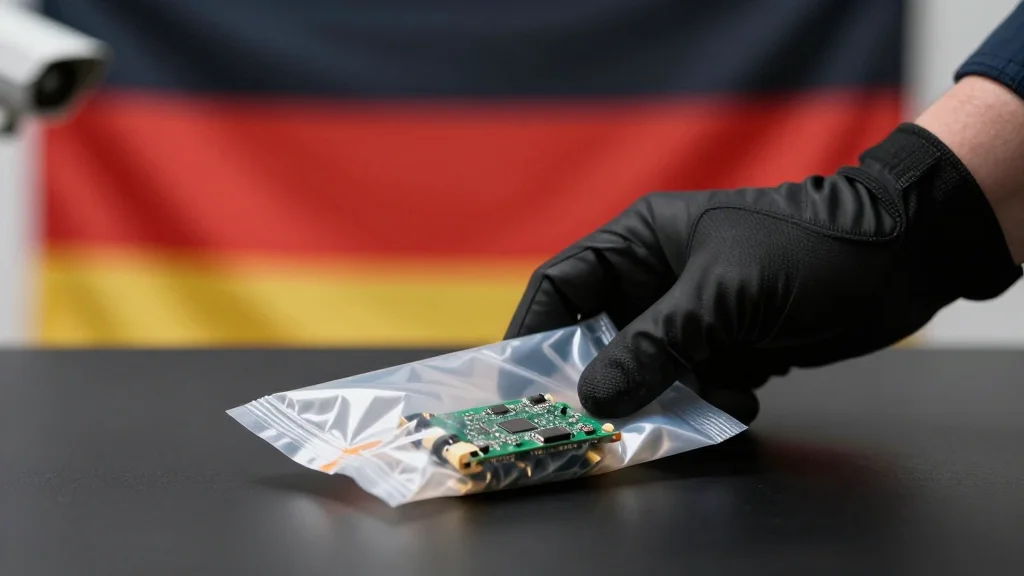
German Police Detain Kazakh National Accused of Relaying Defense Intel to Russia

Why It Matters
The detention of Sergei K. highlights a tangible breach in the security of Germany’s defense industry, a sector that underpins the country’s contribution to NATO’s collective deterrence posture. By potentially exposing design data on drones and robotic systems, the alleged espionage could erode Germany’s technological edge and embolden Russian efforts to counter Western military advancements. Beyond the immediate security implications, the case underscores the broader challenge of foreign‑national infiltration in high‑tech defense supply chains. It may trigger stricter background‑check regimes, heightened monitoring of communications, and increased collaboration between German intelligence agencies and their NATO counterparts, shaping policy decisions for years to come.
Key Takeaways
- •German police arrested a Kazakh national, Sergei K., on suspicion of spying for Russia.
- •Prosecutors allege he passed information on German defense firms developing drones and robots.
- •The suspect reportedly offered to recruit members for an espionage and sabotage group.
- •Arrest follows a series of EU and NATO warnings about Russian attempts to infiltrate defense sectors.
- •Authorities will present the suspect to a judge within days; investigation details remain classified.
Pulse Analysis
The arrest of Sergei K. is a stark reminder that the battlefield has expanded beyond conventional fronts into the realm of industrial espionage. Germany’s defense industry, which has been a linchpin of NATO’s modernization drive, now faces a dual threat: external attacks on its supply chains and internal vulnerabilities exploited by foreign agents. Historically, espionage cases have prompted sweeping reforms—most notably after the 2010 German cyber‑espionage scandal that led to stricter data‑handling rules. This latest incident is likely to accelerate similar measures, especially concerning the vetting of foreign nationals with access to sensitive projects.
From a strategic perspective, the alleged leakage of drone and robotics data could have outsized effects. Unmanned systems are central to NATO’s future combat concepts, and any compromise could allow Russia to develop counter‑technologies or anticipate German operational tactics. The incident may also influence procurement decisions, pushing German firms to adopt more compartmentalized development processes and to increase reliance on domestic supply chains, potentially reshaping the European defense industrial base.
Looking ahead, the case could serve as a catalyst for deeper intelligence integration among NATO members. Shared threat assessments, joint counter‑espionage training, and harmonized security standards could become prerequisites for participation in high‑value defense projects. If Germany leverages this breach to tighten its security posture, it may set a precedent that strengthens the alliance’s overall resilience against hybrid threats, but it will also require balancing openness for innovation with the imperative of safeguarding critical technologies.
German Police Detain Kazakh National Accused of Relaying Defense Intel to Russia
Comments
Want to join the conversation?
Loading comments...