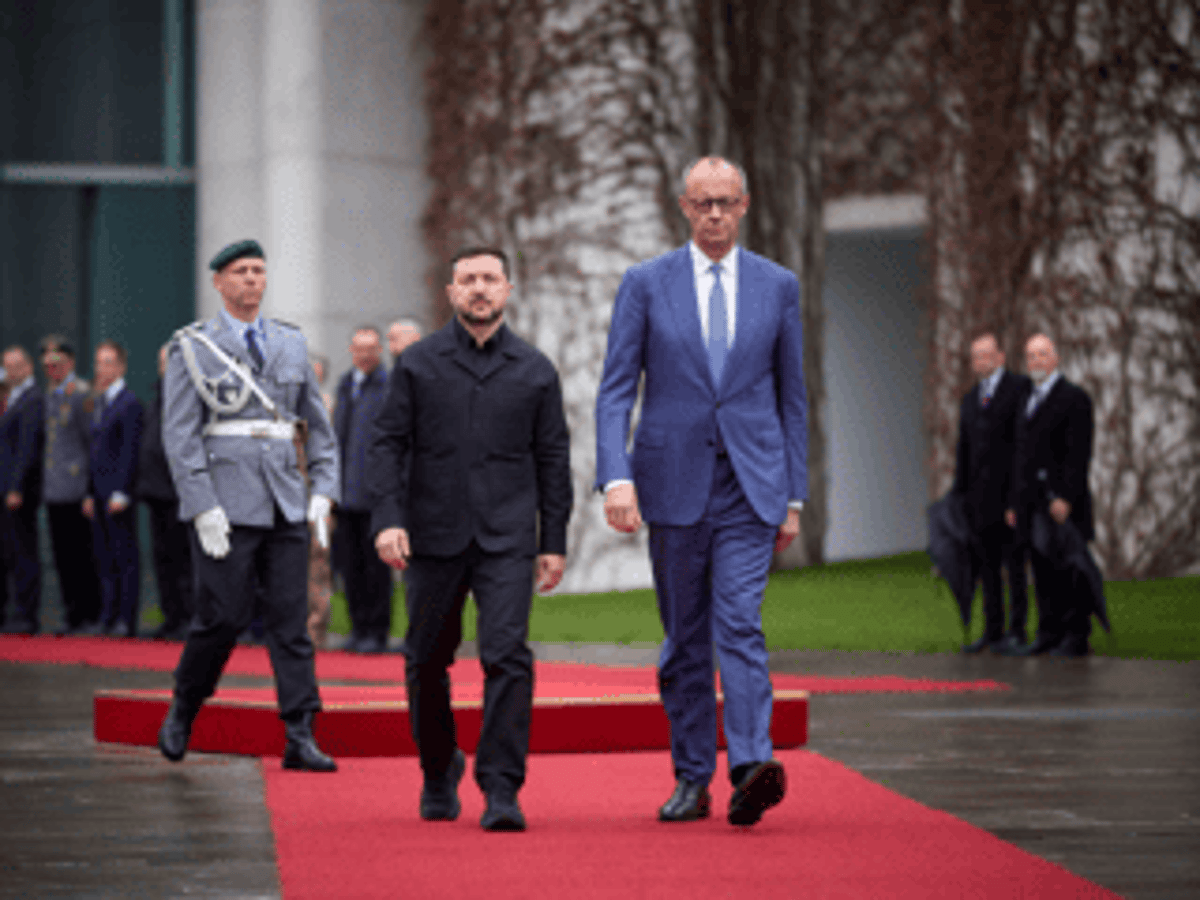
Germany Holds Ukraine Line Despite Political Headwinds
Why It Matters
The pact deepens Germany’s access to combat data and strengthens Europe’s defence industrial base, while domestic economic pressures could jeopardize long‑term political backing for Ukraine assistance.
Key Takeaways
- •Germany pledges €11.5 bn (≈$12.5 bn) for Ukraine in 2026.
- •New data‑sharing pact gives Berlin access to Ukrainian combat analytics.
- •German aid since 2022 totals €94 bn (≈$103 bn) for military and civilian.
- •58% of Germans cite rising energy costs as personal burden.
- •AfD calls for Russian energy, risking Ukraine aid consensus.
Pulse Analysis
Berlin’s latest aid package marks a clear pivot from humanitarian solidarity to a calculated investment in Europe’s defence ecosystem. By financing Ukrainian arms production and securing a battlefield‑data‑exchange agreement, Germany not only bolsters Kyiv’s strike capability but also harvests real‑time performance metrics on systems such as the IRIS‑T and PzH 2000. This intelligence feed feeds German defence firms, accelerates domestic R&D, and positions Berlin as a hub for next‑generation joint‑force operations, a narrative that resonates with NATO’s push for greater European strategic autonomy.
The political backdrop, however, is increasingly fraught. An IMF downgrade of Germany’s 2026 growth forecast and a sudden energy‑price surge linked to the Iran conflict have strained household budgets, with a ZDF poll showing 58 % of citizens flagging energy costs as a major burden. The right‑wing AfD is capitalising on this discontent, advocating a return to Russian energy supplies—a stance that directly challenges the fiscal sustainability of the Ukraine aid agenda. As public tolerance wanes, the Merz government faces a delicate balancing act between maintaining defence commitments and addressing domestic economic anxieties.
For the broader Euro‑Atlantic alliance, Germany’s resolve carries outsized weight. The data‑sharing framework could become a template for other member states seeking to integrate allied combat insights into their own procurement cycles, thereby reducing redundancy and fostering a more interoperable force structure. Yet the durability of this approach hinges on Berlin’s ability to preserve public consent amid economic headwinds. Should the consensus erode, Europe may confront a strategic gap, forcing NATO to recalibrate burden‑sharing formulas and potentially slowing the pace of collective defence innovation.
Germany holds Ukraine line despite political headwinds
Comments
Want to join the conversation?
Loading comments...