Companies Mentioned
Why It Matters
The CPSP decision will lock Canada into a submarine platform that shapes its Arctic deterrence, NATO interoperability, and domestic industrial footprint for the next two decades.
Key Takeaways
- •Pistorius promotes German‑Norwegian 212CD as NATO‑compatible submarine.
- •Canada must decide CPSP design by summer 2026.
- •Hanwha offers faster delivery and Canadian localisation via HADIC.
- •212CD provides stealth, fixed production; KSS‑III offers custom firepower.
- •Submarine choice impacts Arctic ops and supply‑chain partnerships.
Pulse Analysis
Canada’s Canadian Patrol Submarine Project (CPSP) is a cornerstone of its maritime renewal, aiming to replace the aging Victoria‑class diesel‑electric fleet. The program, budgeted at several billions of dollars, is not just a procurement exercise but a strategic move to secure Arctic sovereignty and modernise the Royal Canadian Navy’s under‑sea capabilities. With a decision slated for the summer, the choice will dictate the nation’s operational posture, alliance integration, and the scale of domestic industrial participation.
The contest pits the German‑Norwegian 212CD Common Design against South Korea’s KSS‑III. The 212CD offers a stealth‑focused hull, proven NATO‑compatible combat systems, and a supply chain anchored in Europe, promising seamless data‑link integration for Arctic and North Atlantic missions. Conversely, Hanwha’s KSS‑III brings a larger payload, vertical launch capability, and a promise of faster delivery—four submarines before 2035—while pledging to embed research and production in Canada through the Hanwha Arctic and Defence Innovation Centre (HADIC). The trade‑off lies between a fixed, low‑signature platform and a more customizable, firepower‑rich solution.
Beyond the vessels themselves, the selection will reverberate through the broader defence ecosystem. A 212CD win would deepen Canada’s ties with European shipyards, creating maintenance hubs from Norway to the UK and reinforcing NATO’s under‑sea doctrine. A KSS‑III award could shift supply‑chain dynamics toward Asian partners, accelerate local technology development, and potentially reshape export‑control considerations. In either scenario, the CPSP will set the tone for Canada’s Arctic strategy, industrial policy, and its role within the trans‑Atlantic security architecture.
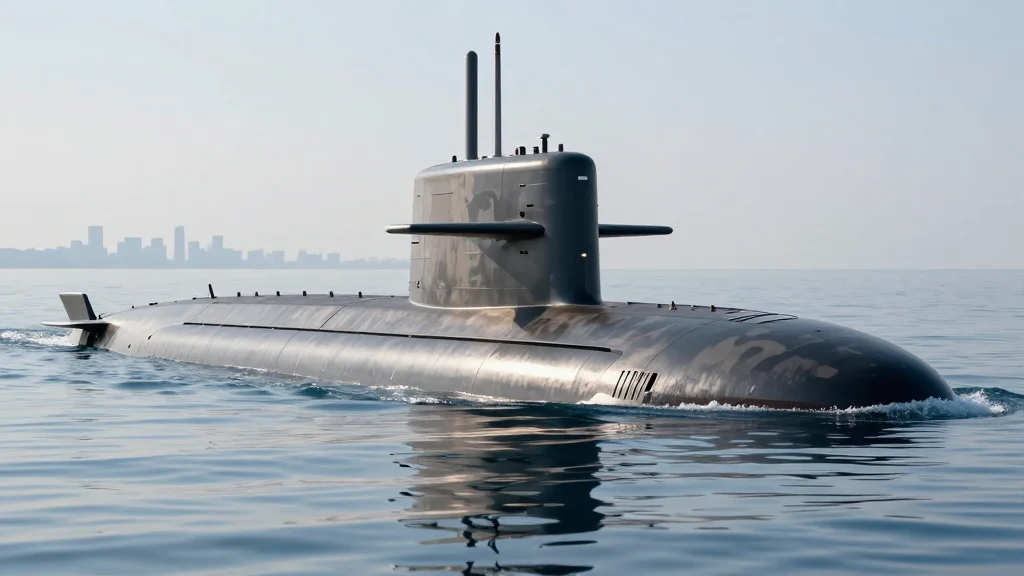
Germany make final play for Canada submarine
Comments
Want to join the conversation?
Loading comments...