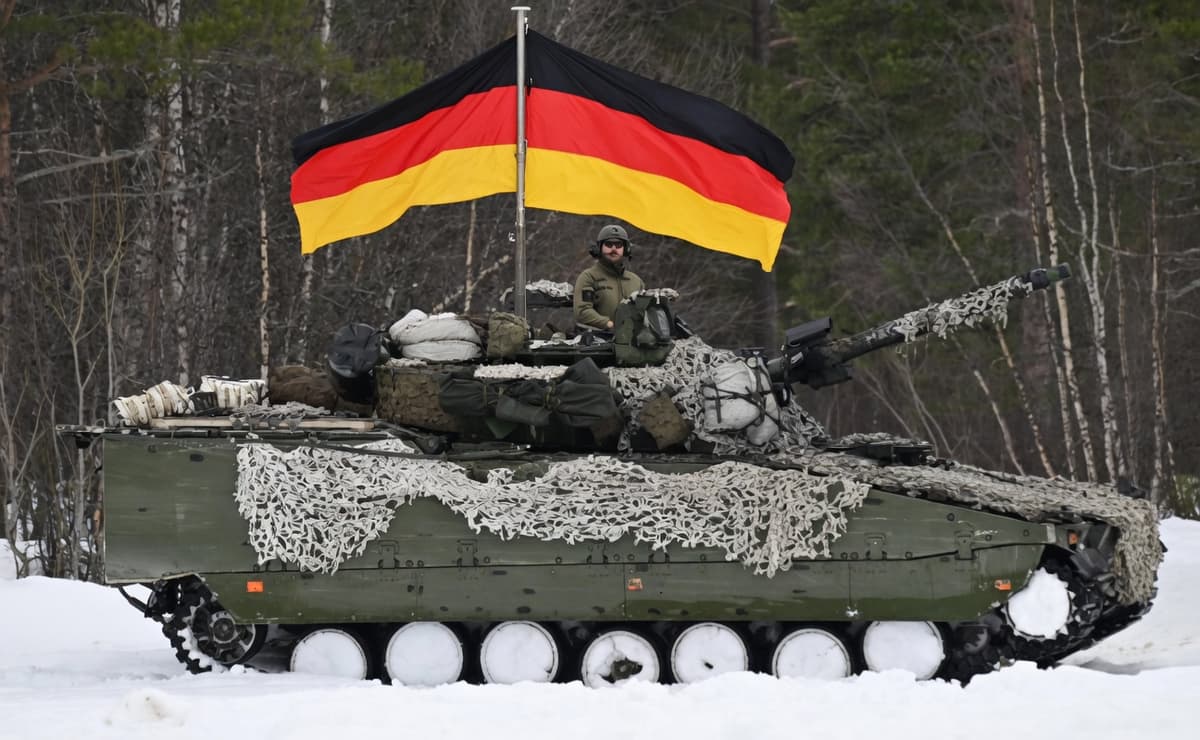
Germany Overtakes France, UK as Europe’s Defense Powerhouse; Why Is Paris Disturbed By Berlin’s Rise?
Why It Matters
Germany’s rapid rearmament reshapes the European arms market and could erode Franco‑German defense cooperation, testing NATO cohesion and the EU’s strategic‑autonomy agenda.
Key Takeaways
- •Germany's 2024 defense budget hits $127 bn, EU's highest
- •Target $189 bn by 2029, 3.5% of GDP
- •France plans 2.6% GDP spend, constrained by debt cuts
- •German orders of F‑35, CH‑47, P‑8 threaten EU projects
- •Diverging views on FCAS, MGCS widen Franco‑German rift
Pulse Analysis
Germany’s defense surge reflects a broader recalibration of European security after Russia’s invasion of Ukraine. By channeling a €100 bn ($108 bn) special fund and meeting NATO’s 2% GDP rule, Berlin has pushed annual spending to $127 bn, far above its western neighbours. The ambition to reach 3.5% of GDP by 2029—equating to $189 bn—signals a desire to become the continent’s conventional‑defence backbone, a role historically reserved for France and the UK. This fiscal momentum is driven by a mix of perceived threats, a cooling U.S.–German relationship, and domestic pressure to protect Europe’s economic core.
The fiscal gap fuels French anxiety over European strategic autonomy. Paris, already constrained by the “Chainsaw Plan” that trims €43.8 bn ($47 bn) from public spending, aims for a modest 2.6% of GDP by 2030. German procurement of American systems—F‑35 fighters, CH‑47 helicopters and P‑8 maritime patrol aircraft—risks bypassing joint programmes such as the Future Combat Air System (FCAS), Eurodrone and the Main Ground Combat System (MGCS). These projects, which rely on shared industrial work‑share, could see reduced relevance, weakening the French defence industrial base and undermining the EU’s goal of a self‑sufficient arms market.
Beyond industry, the spending disparity reshapes NATO dynamics and the intra‑European balance of power that has underpinned peace for eight decades. A militarily robust Germany can bolster collective defence, yet unchecked growth may provoke mistrust among neighbours, echoing historic Franco‑German rivalry. Experts argue that coordinated procurement, transparent financing and joint research are essential to harness Germany’s capabilities while preserving European cohesion. If Berlin can align its ambitions with a clear commitment to partnership, the continent may achieve a more resilient, autonomous security architecture; otherwise, the widening gap could fracture the very alliance it seeks to strengthen.
Germany Overtakes France, UK as Europe’s Defense Powerhouse; Why is Paris Disturbed By Berlin’s Rise?
Comments
Want to join the conversation?
Loading comments...