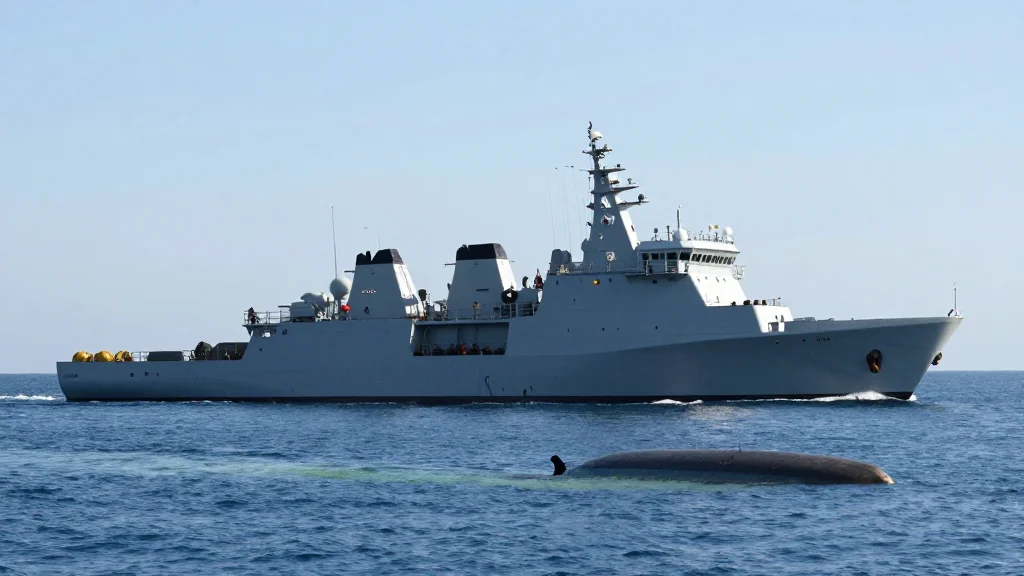
Germany Relocate Ships for Readiness in Strait of Hormuz
Why It Matters
The move underscores NATO’s readiness to secure a critical oil chokepoint, shifting German naval resources to counter possible Iranian mining and protecting global trade flows.
Key Takeaways
- •Germany redirects Mosel and Fulda to support NATO Mine Countermeasures Group 2
- •Reassignment pauses German anti‑trafficking missions in the Aegean Sea
- •Deployment depends on US‑Iran cease‑fire and UN legal authorization
- •Strait of Hormuz remains vulnerable after US paused Operation Freedom
- •NATO prepares joint mine‑clearance to keep vital shipping lanes open
Pulse Analysis
The Strait of Hormuz, a 21‑nautical‑mile channel linking the Persian Gulf with the Gulf of Oman, handles roughly a third of the world’s oil shipments. Recent Iranian threats to lay naval mines have prompted the United States to launch Operation Freedom, a temporary escort mission, before President Trump ordered a pause to revive diplomatic talks. In parallel, NATO allies are drafting a UN resolution that would legitimize a defensive mine‑clearance operation, underscoring the chokepoint’s strategic volatility and the need for multilateral security guarantees.
Against this backdrop, Germany has pulled the Elbe‑class replenishment ship Mosel and the Frankenthal‑class minehunter Fulda from their Mediterranean and Aegean assignments to stand by NATO Mine Countermeasures Group 2. The shift suspends Berlin’s contribution to anti‑human‑trafficking patrols in the Aegean, reflecting a calculated trade‑off between regional stability and broader maritime security. By positioning the vessels closer to the Middle East, the Bundeswehr shortens response times and enables joint drills that mirror the operational tempo required for rapid mine‑removal missions.
The redeployment signals a deeper European commitment to safeguarding one of the world’s most critical trade arteries, potentially easing the burden on U.S. naval forces. If a UN mandate materializes, NATO’s mine‑countermeasure fleet could clear the waterway within weeks, restoring confidence for oil tankers and commercial vessels. Conversely, prolonged diplomatic deadlock could keep the strait exposed, prompting further naval posturing and higher insurance premiums for shippers. Germany’s move thus serves as both a deterrent to hostile mining and a catalyst for coordinated international action.
Germany relocate ships for readiness in Strait of Hormuz
Comments
Want to join the conversation?
Loading comments...