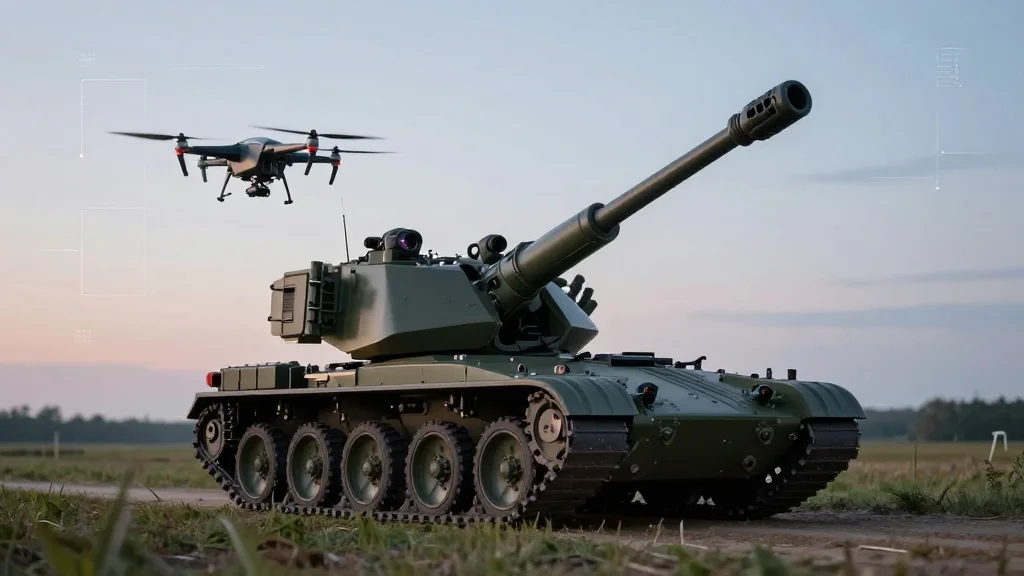
Germany, Ukraine Sign Defence Deal on Missiles, Drones, and Data
Why It Matters
The deal fast‑tracks Ukraine’s air‑defence modernization and gives Germany real‑time combat data for AI, reinforcing NATO’s eastern flank and deepening European defence industrial ties.
Key Takeaways
- •Germany, Ukraine sign memorandum on missiles, drones, battlefield data.
- •Joint projects include PzH 2000, RCH 155, IRIS‑T systems analysis.
- •Ukrainian combat data will train AI models for defence solutions.
- •Accelerated PAC‑2 and IRIS‑T air‑defence development planned.
- •Deal enhances German‑Ukrainian, broader European defence industrial cooperation.
Pulse Analysis
The ongoing conflict in Ukraine has turned air‑defence capability into a strategic priority for Kyiv and its allies. By signing a memorandum that couples missile deliveries with joint development of systems such as the PAC‑2 and IRIS‑T, Germany is providing a tangible boost to Ukraine’s ability to repel Russian strikes. The agreement also opens channels for German artillery platforms—PzH 2000 and RCH 155—to be examined alongside Ukrainian operational feedback, shortening the feedback loop that traditionally stalls upgrades. This hands‑on collaboration reflects Berlin’s shift from pure arms sales to co‑production and technology transfer.
Beyond battlefield hardware, the pact foregrounds data as a new weapon. Ukraine will grant German analysts access to its DELTA digital ecosystem, a repository of sensor feeds, targeting logs and engagement outcomes. That trove enables German firms and research institutes to train artificial‑intelligence models that can predict threat patterns, optimise missile trajectories and automate threat assessment. In an era where machine‑learning speed can dictate survivability, the ability to test algorithms on live combat data offers a competitive edge that few partners possess, positioning Europe at the forefront of defence AI.
The memorandum also signals deeper integration of European defence industries. By committing to joint ventures on drones and ammunition, Germany and Ukraine lay groundwork for a supply chain that can scale across the EU, reducing reliance on external manufacturers. Chancellor Friedrich Merz has framed the deal as a catalyst for broader German‑European armament cooperation, a narrative that aligns with NATO’s push for interoperable capabilities. If the collaboration delivers faster fielding of anti‑ballistic solutions, it could reshape procurement cycles and encourage other member states to pursue similar data‑driven partnerships.
Germany, Ukraine sign defence deal on missiles, drones, and data
Comments
Want to join the conversation?
Loading comments...