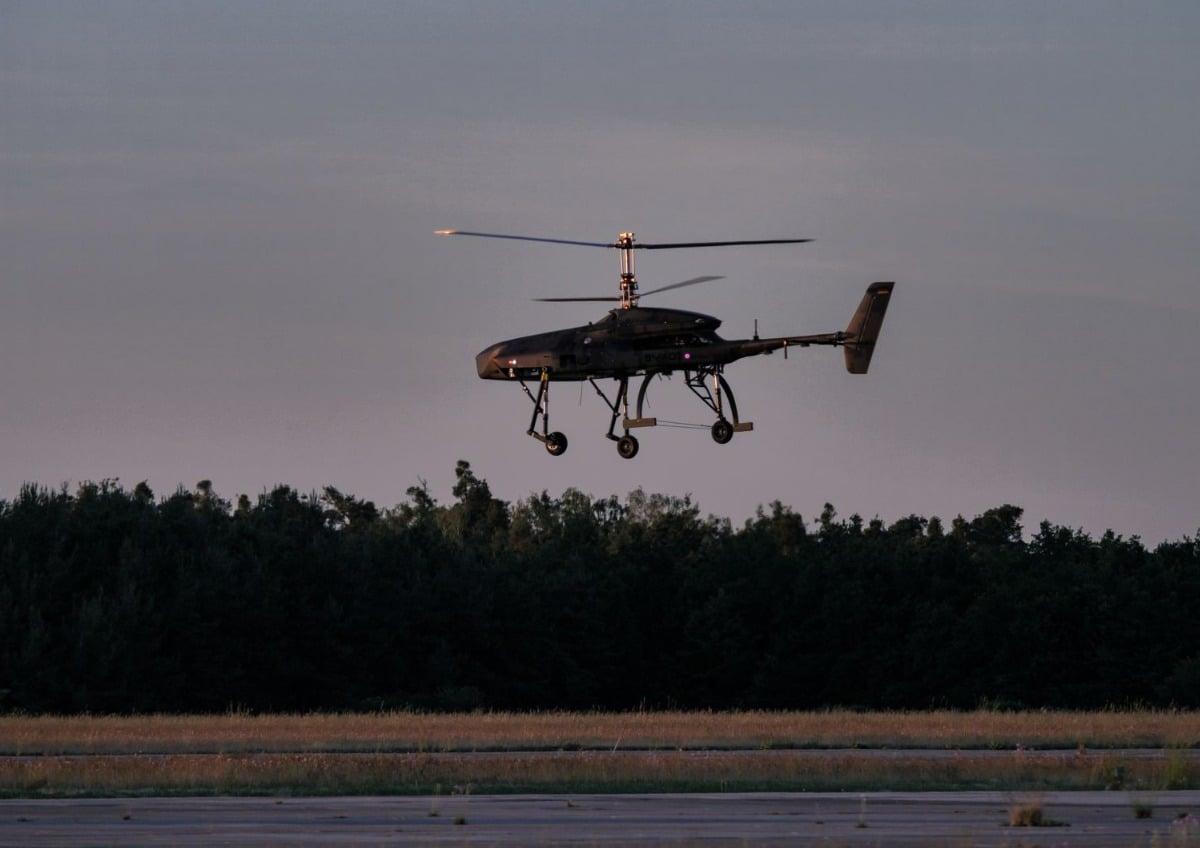
Germany’s New Unmanned Helicopter Just Flew for the First Time
Companies Mentioned
Why It Matters
Wespe offers a crew‑less solution to medical evacuation, reducing personnel risk and logistical complexity in contested airspaces, a growing priority for modern militaries. Its containerized design and fuel flexibility could accelerate fielding and reshape battlefield medevac doctrine.
Key Takeaways
- •Wespe achieved stable hover and controlled flight in first prototype test
- •Carries 200‑350 kg payload, 300 km range, fits in 20‑ft container
- •Enables casualty evacuation without crew exposure to contested airspace
- •Uses multi‑fuel engine and Hensoldt protection, simplifying logistics and survivability
Pulse Analysis
The debut of Aerospace's Wespe unmanned helicopter marks a pivotal shift in combat medical logistics. Traditional medevac relies on crewed rotorcraft, which are increasingly vulnerable to sophisticated air‑defense systems. By removing the pilot from the cockpit, Wespe mitigates the risk of loss while preserving the speed and flexibility that helicopters provide for moving critically injured soldiers from forward aid stations to surgical facilities.
Beyond survivability, Wespe’s design addresses practical deployment hurdles. Its ability to be packed into a standard 20‑foot ISO container means the system can be transported by trucks, ships, or even airlifted without specialized handling equipment. The dual‑engine architecture—piston for gasoline and turbine for NATO‑standard jet fuels—aligns with existing military fuel supply chains, eliminating the need for dedicated resupply lines. Integrated Hensoldt AMPS missile‑warning and ARGOS sensor suites further enhance situational awareness and self‑protection, positioning Wespe as a near‑ready operational asset rather than a laboratory prototype.
The broader defense market is likely to view Wespe as a template for next‑generation unmanned rotary‑wing platforms. Its payload and range sit between small tactical drones and full‑size helicopters, filling a niche that has long lacked a cost‑effective solution. As armed forces worldwide modernize their medevac capabilities, Wespe could drive new procurement strategies, prompting NATO allies to consider containerized, multi‑fuel UAVs for both medical and logistical missions. Continued flight testing and autonomous upgrades will be critical to translating this promising first flight into scalable, fielded capability.
Germany’s new unmanned helicopter just flew for the first time
Comments
Want to join the conversation?
Loading comments...