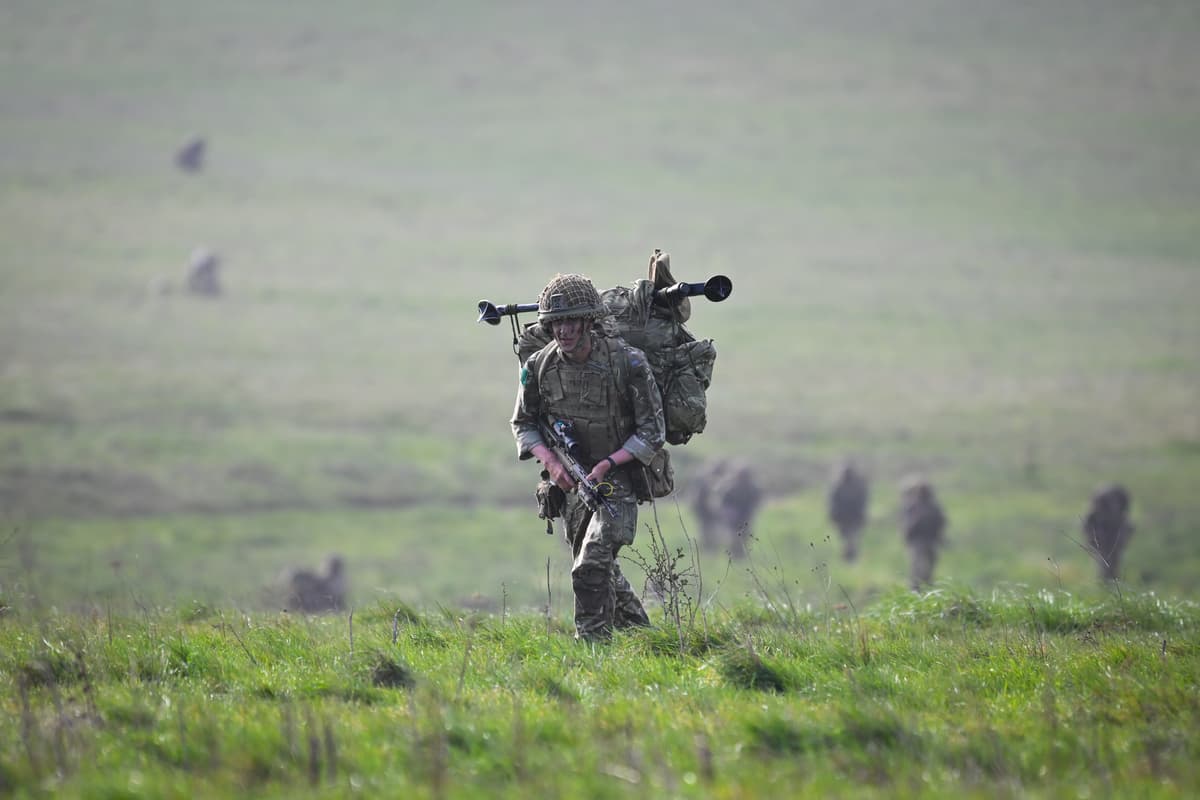
Global Military Spending Surges and Reaches Record High
Why It Matters
The spending spike reshapes global power balances, signaling heightened security commitments in Europe and Asia while highlighting U.S. budgetary constraints and transparency challenges within NATO.
Key Takeaways
- •Europe’s defense outlays rise 14% to $864 billion, a historic high
- •Germany exceeds 2% GDP, pledges 3.5% by 2029
- •Asia‑Oceania spending climbs 8.1%, led by China’s $336 billion budget
- •Russia allocates $190 billion, 20% of its government spending
- •NATO’s total $1.581 trillion may overstate actual military capacity
Pulse Analysis
The 2025 record in global defense expenditure underscores a shifting security landscape. While the United States, traditionally the world’s biggest spender, trimmed its budget by 7.5% due to stalled Ukraine aid, the rest of the world surged 9.2%, pushing total spending to nearly $2.9 trillion. Analysts attribute this growth to renewed geopolitical tensions, especially in Europe where NATO members are bolstering forces amid Russian aggression. The data also reveal a broader trend: nations are increasingly willing to allocate larger shares of GDP to defense, a move that could reshape fiscal priorities for years to come.
Europe’s spending jump was the most pronounced, with a 14% increase that lifted the continent’s budget to $864 billion. Germany finally crossed the 2% of GDP threshold, announcing a roadmap to 3.5% by 2029, while Spain and Poland posted dramatic rises, the latter reaching a 4.5% GDP burden—the highest among NATO allies. These commitments come as NATO’s summit set an ambitious 5% of GDP target for the alliance by 2035, prompting concerns over “creative accounting” as member states stretch definitions of defense‑related costs. Transparency gaps risk inflating reported figures, complicating assessments of true operational capacity.
In the Asia‑Pacific, China’s defense budget grew 7.4% to $336 billion, continuing a three‑decade streak of increases, while Taiwan’s 14% rise reflects heightened island‑defense concerns. Japan’s budget hit a post‑World‑War II high at $62.2 billion. Meanwhile, Russia devoted $190 billion—20% of its total government spending—to its war effort, and Ukraine’s staggering $84.1 billion outlay consumed 40% of its GDP. Looking ahead, U.S. lawmakers have already earmarked over $1 trillion for 2026, suggesting the American decline is temporary, but the broader global trajectory points to sustained, if not accelerating, defense investment.
Global military spending surges and reaches record high
Comments
Want to join the conversation?
Loading comments...