Why It Matters
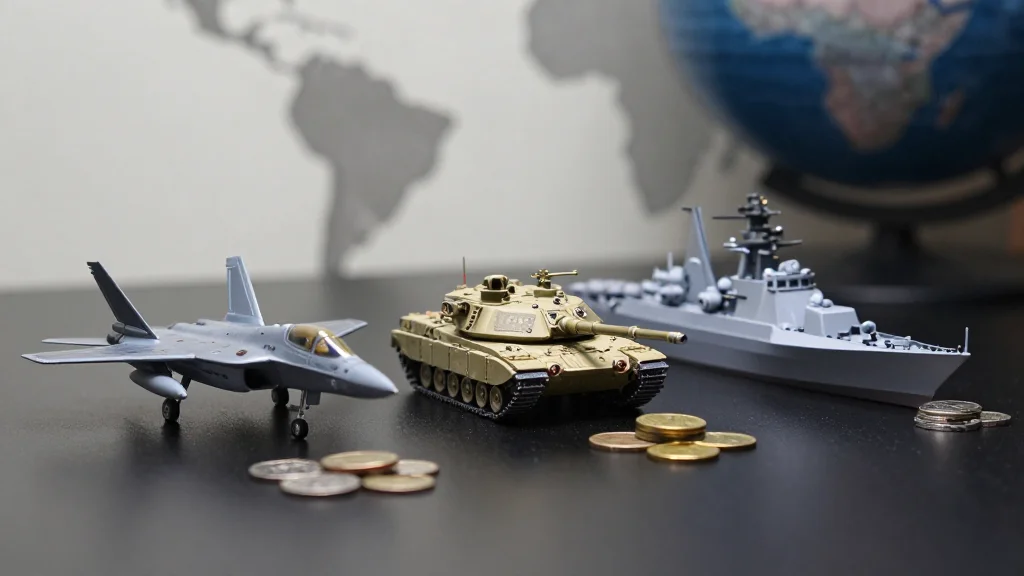
The sustained rise in global defence budgets signals heightened geopolitical tension and a shifting burden of security costs onto national economies, reshaping fiscal priorities worldwide. Investors and policymakers must watch these trends as they drive demand for weapons systems, technology, and related services.
Key Takeaways
- •Global military spending hit $2.9 trillion in 2025, 2.9% rise.
- •US spending fell 7.5% to $954 billion, but 2026 budget exceeds $1 trillion.
- •Europe’s defense outlays surged 14% to $864 billion, driven by Ukraine war.
- •China remained top Asian spender at $336 billion, continuing three‑decade growth.
- •Japan’s defense budget rose 9.7% to $62.2 billion, highest GDP share since 1958.
Pulse Analysis
The Stockholm International Peace Research Institute’s latest report underscores a decade‑long trajectory of expanding defence expenditures, now approaching $3 trillion. This growth reflects a world where traditional security guarantees are eroding, prompting nations to allocate a larger slice of GDP to military capabilities. The rise in the global "military burden"—the share of worldwide economic output devoted to defence—has reached its highest level since 2009, highlighting the fiscal strain that prolonged conflicts and strategic rivalries impose on economies.
Regionally, the dynamics are uneven. While U.S. spending slipped due to a pause in new aid to Ukraine, Europe more than compensated, with a 14% jump driven by the Ukraine war and reduced American engagement. China’s relentless three‑decade‑long increase kept it at the forefront of Asian defence spending, while Japan and Taiwan accelerated their budgets in response to perceived threats. The Middle East, despite ongoing tensions, showed only marginal growth, suggesting budgetary fatigue or shifting priorities. These patterns reveal a strategic rebalancing, where allies are urged to shoulder more of their own defence costs, and emerging powers invest heavily to safeguard their interests.
For the defence industry and capital markets, the implications are profound. Sustained budget expansions translate into higher demand for advanced weapons, cyber‑security solutions, and autonomous systems, benefitting manufacturers and technology firms. However, the fiscal pressures on governments could spur calls for efficiency, joint procurement, and greater private‑sector involvement. Analysts should monitor upcoming U.S. budget proposals, European defence initiatives, and Asian spending plans, as they will shape the competitive landscape and investment opportunities in the global security sector.
Global military spending surges on insecurity: report
Comments
Want to join the conversation?
Loading comments...