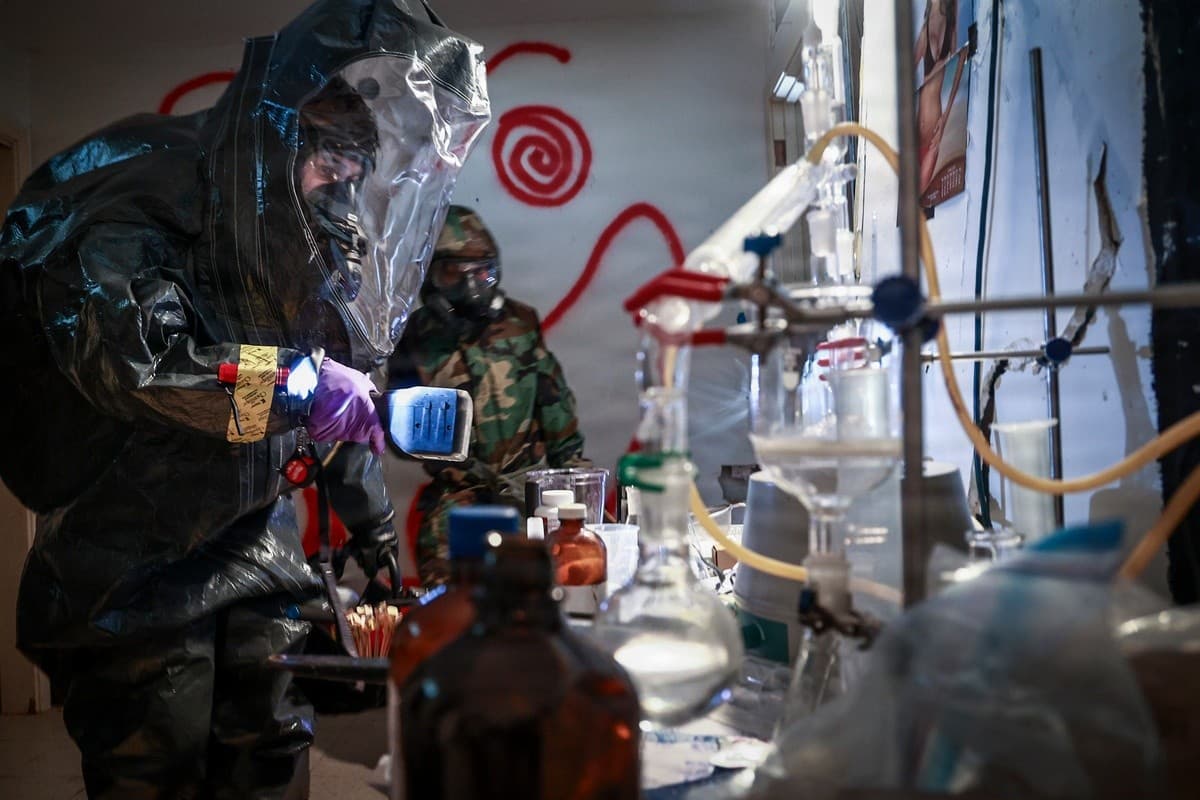
Guam National Guard Trains with Partners at Simulated Drug Lab
•February 20, 2026
0
Why It Matters
The training elevates regional CBRNE readiness and proves that coordinated military‑civilian response can effectively counter illicit drug operations and potential mass‑casualty incidents in the Pacific arena.
Key Takeaways
- •Guam Guard partners with New Mexico Guard, Air Force.
- •Simulated drug lab used to test haz‑mat detection.
- •First responders practiced real‑time radio and live‑stream reporting.
- •Exercise highlighted need for rapid interagency communication.
- •Improved readiness against chemical, biological threats in Pacific.
Pulse Analysis
Realistic, high‑fidelity exercises like Guam’s simulated drug‑lab scenario are essential for honing the skills of both military and civilian responders. By recreating a clandestine manufacturing environment, participants confront the same chemical, biological, and radiological hazards they would encounter in the field, testing detection equipment, protective gear, and rapid‑assessment protocols. The integration of live‑stream video and radio communications further refines situational awareness, ensuring that command elements receive accurate, timely intelligence to direct resources and mitigate threats.
Guam’s strategic location in the Pacific makes it a critical hub for inter‑agency collaboration. The involvement of the New Mexico Guard’s 64th Civil Support Team and Andersen Air Force Base’s CBRNE Response Team underscores a broader federal commitment to regional security, leveraging diverse expertise to address complex illicit‑drug operations that can serve as vectors for hazardous materials. This joint effort not only strengthens interoperability among disparate units but also builds a shared operational language that can be rapidly deployed during emergencies ranging from natural disasters to terrorist attacks.
Beyond the immediate training benefits, the exercise signals a shift toward proactive, whole‑community preparedness. As drug‑related laboratories increasingly incorporate sophisticated chemical processes, the line between narcotics enforcement and CBRNE response blurs, demanding integrated planning and resource allocation. Policymakers and defense planners can draw lessons from Guam’s model to expand similar multi‑agency drills across other territories, ensuring a resilient response framework that protects public health and national security.
Guam National Guard trains with partners at simulated drug lab
0
Comments
Want to join the conversation?
Loading comments...