Gulf States Ask for Ukrainian Interceptor Drones as Patriot Stocks Dwindle
•March 9, 2026
0
Companies Mentioned
Why It Matters
The shift to low‑cost Ukrainian interceptor drones reshapes regional air‑defence procurement, reducing reliance on scarce Patriot missiles and signaling a broader move toward affordable unmanned solutions.
Key Takeaways
- •Gulf states request 5,000 UAE, 2,000 Qatar drones.
- •Patriot missiles depleted after three days of Middle East fighting.
- •Ukrainian drones cost a few thousand dollars versus $4M missiles.
- •SkyFall can produce 50,000 drones monthly, 5‑10k exportable.
- •US aims to triple PAC‑3 output, delivery beyond one year.
Pulse Analysis
The Middle East’s recent flare‑up has exposed a critical vulnerability in the U.S. air‑defence supply chain. Within three days of the conflict’s onset, Patriot batteries fired roughly 800 missiles—more than Ukraine used in an entire winter—draining stocks that allies depend on for high‑value intercept missions. As the cost‑to‑kill ratio of Iranian Shahed drones continues to favour attackers, Western forces are scrambling for alternatives that can be fielded quickly and affordably.
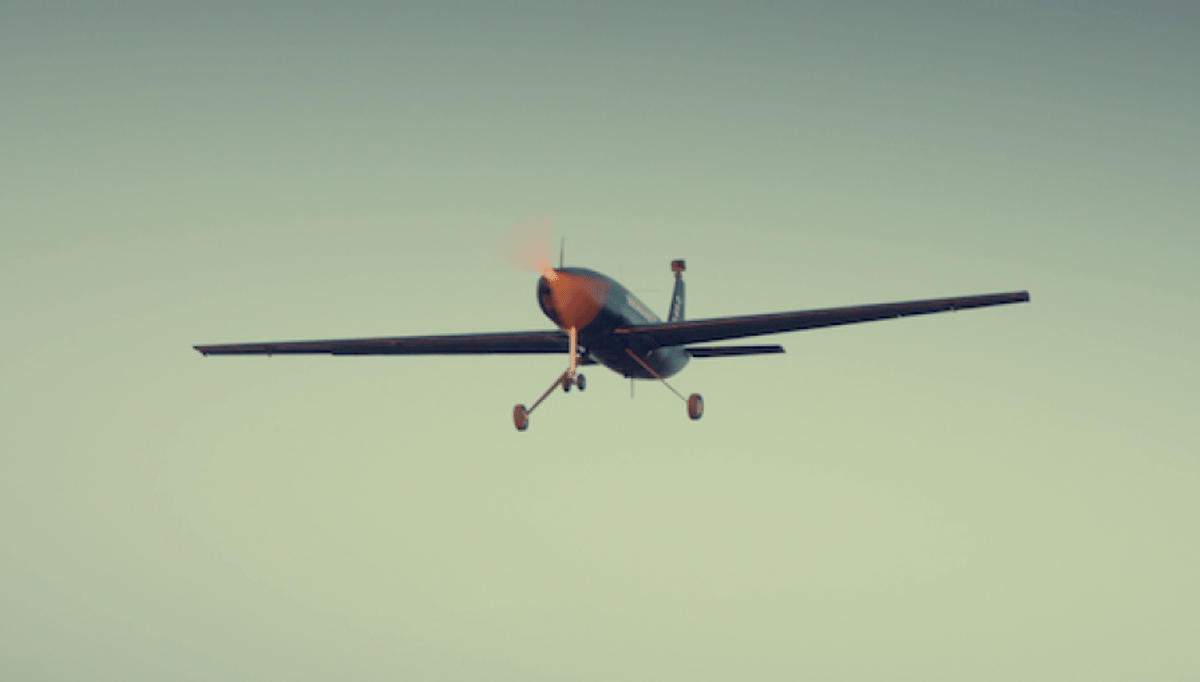
Ukrainian firms have stepped into this gap with interceptor drones that combine low‑cost sensors, AI‑driven targeting and kinetic kill mechanisms. SkyFall’s P1‑SUN model, for example, has already claimed over 2,500 hostile UAVs and can scale production to 50,000 units per month, with 5,000‑10,000 earmarked for export without compromising Ukraine’s own defence. TAF Industries reports interest from the UAE, Qatar and Kuwait, each seeking thousands of units to supplement dwindling missile inventories. At a price point of a few thousand dollars per drone, the economics dramatically undercut the $4 million price tag of a single PAC‑3 interceptor, making mass deployment feasible for regional militaries.
The broader strategic implication is a potential re‑balancing of air‑defence markets. While the United States plans to triple PAC‑3 output, the ramp‑up will not meet immediate demand, prompting allies to diversify suppliers. Europe’s push for indigenous missile production and the rise of Ukrainian drone exports could accelerate a shift toward hybrid defence architectures that blend traditional missiles with swarms of low‑cost interceptors. This evolution may redefine procurement priorities, emphasizing scalability, cost efficiency, and rapid fielding over legacy high‑price systems.
Gulf states ask for Ukrainian interceptor drones as Patriot stocks dwindle
0
Comments
Want to join the conversation?
Loading comments...