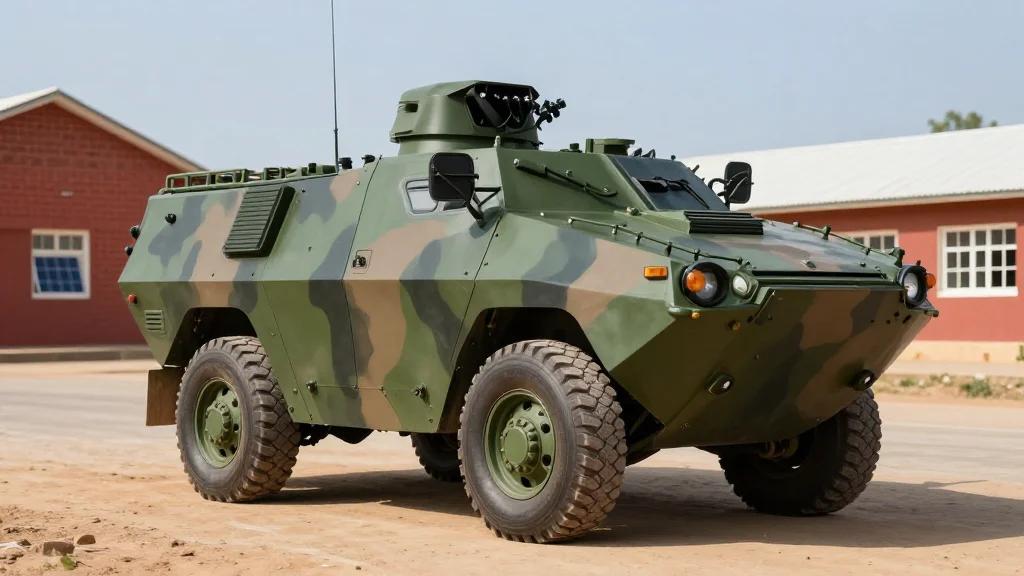
Guns or Growth? Africa’s Impossible Budget Choice
Why It Matters
Higher military outlays risk diverting scarce resources from poverty reduction and human capital, jeopardizing Africa’s long‑term growth and global development targets. The issue also shapes donor strategies and geopolitical stability across the region.
Key Takeaways
- •Africa's 2024 defence spend hit $52.1 bn, up 3% YoY.
- •Low‑intensity conflicts allow cheaper security solutions than conventional warfare.
- •Defence spending competes with health, education, infrastructure funding.
- •Only South Africa ranks among top 25 arms exporters, under 1% trade.
- •UN warns rising military budgets jeopardize Sustainable Development Goals.
Pulse Analysis
Africa’s fiscal reality is defined by a thin margin between security and development. With public finances already stretched by health crises, education gaps and infrastructure backlogs, the $52.1 billion allocated to defence in 2024 represents a sizable slice of limited budgets. Compared with the $2.7 trillion spent globally on military needs, the continent’s share is modest, yet its impact is magnified by the scarcity of domestic arms production. Reliance on foreign suppliers—Egypt, Morocco, Algeria and others—keeps costs high and limits strategic autonomy, leaving South Africa as the sole notable exporter.
The opportunity cost of these expenditures is stark. Humanitarian assistance for African displacement crises alone demands roughly $8 billion, while the same defence outlays could fund global public goods many times over—enough for 17 rounds of Covid‑19 vaccinations or 13 times the total OECD development aid. UN and UNDP reports warn that escalating military budgets erode progress toward the Sustainable Development Goals, pulling resources away from poverty alleviation, education and health initiatives. As insurgencies, piracy and banditry persist, policymakers must weigh immediate security gains against long‑term socioeconomic stability.
Looking ahead, the continent’s path hinges on smarter allocation and home‑grown capacity. Low‑intensity conflicts can be addressed with cost‑effective solutions, reducing the need for high‑end weaponry. Investment in a modest defence industrial base could lower import dependence and create jobs, while transparent governance would ensure that each defence dollar also supports broader development outcomes. International donors and multilateral institutions have a role in shaping financing frameworks that balance security imperatives with the urgent need for sustainable growth across Africa.
Guns or growth? Africa’s impossible budget choice
Comments
Want to join the conversation?
Loading comments...