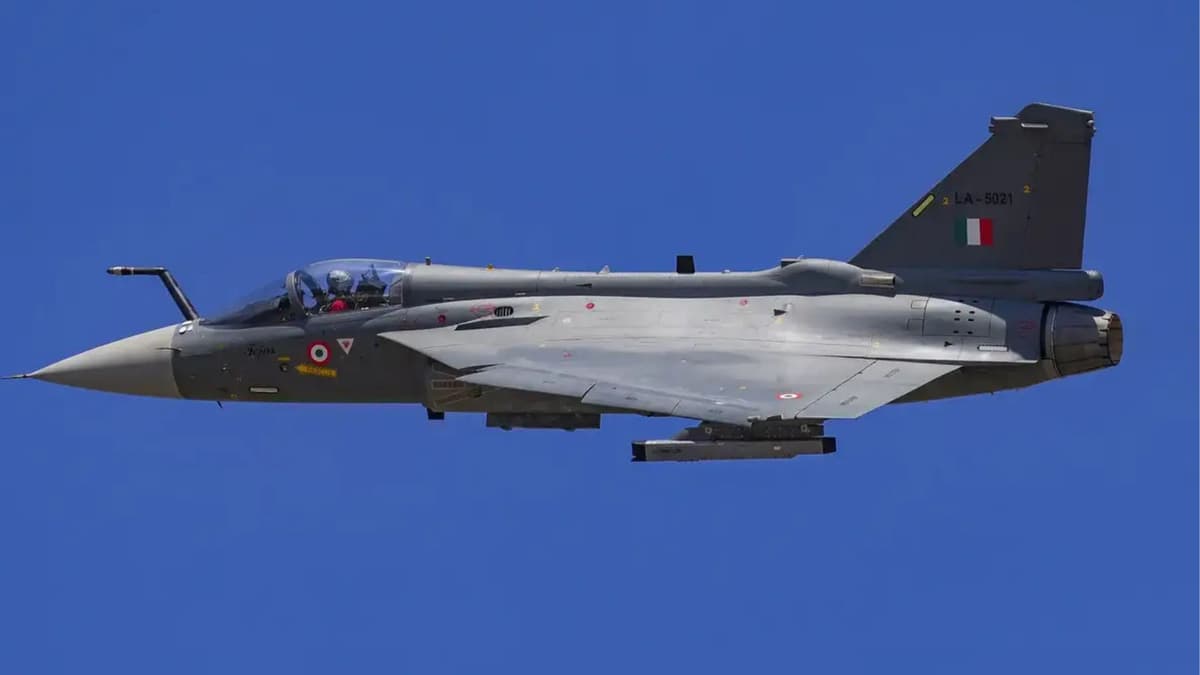
HAL-IAF Tejas Mk1A Review Pushed to June as Radar, Engine, and Weapons Integration Challenges Compound
Why It Matters
The postponement threatens the IAF’s timeline for modernizing its fleet and raises doubts about India’s capacity to field a fully indigenous combat jet, while straining the domestic aerospace supply chain and defense budget.
Key Takeaways
- •Tejas Mk1A review delayed to June 2026 due to integration setbacks
- •AESA radar, EW suite, and weapons software still not fully synchronized
- •GE delivered only six of the required 16 F404 engines annually
- •HAL targets first Mk1A deliveries in Aug‑Sept 2026, pending engines
- •IAF may accept concessions to speed up Mk1A induction
Pulse Analysis
The Tejas Mk1A program, anchored by a roughly $13 billion contract for 180 light combat aircraft, has become a litmus test for India’s push toward defense self‑reliance. Originally slated for deliveries in 2024‑25, the project now lags more than two years behind schedule, prompting a postponed review meeting in June 2026. The delay highlights the complexities of marrying advanced foreign subsystems—such as Israel’s EL/M‑2052 AESA radar—with indigenous avionics, a challenge that has forced repeated software revisions and extended test cycles.
Technical bottlenecks are at the heart of the slowdown. Integrating the radar, electronic‑warfare suite, and mission‑computer network demands flawless data exchange, yet performance benchmarks for range and target discrimination remain unmet. Compounding the issue, GE Aerospace has supplied only six of the 16 F404‑IN20 engines HAL expected each year, leaving a fleet of 30 airframes grounded awaiting powerplants. These engine shortfalls not only delay flight testing but also inflate lifecycle costs, as HAL must maintain partially built aircraft and sustain a stretched supply chain.
Strategically, the IAF’s readiness to accept concessions reflects a pragmatic shift: operational capability now outweighs perfect specification compliance. By allowing limited relaxations, the service hopes to field a capable platform while the remaining integration work continues. This approach underscores a broader trend in Indian defense procurement—balancing indigenization ambitions with urgent capability gaps. The outcome of the June review will shape not only the Tejas timeline but also future collaborations with foreign vendors and the credibility of India’s domestic aerospace sector.
HAL-IAF Tejas Mk1A Review Pushed to June as Radar, Engine, and Weapons Integration Challenges Compound
Comments
Want to join the conversation?
Loading comments...