Why It Matters
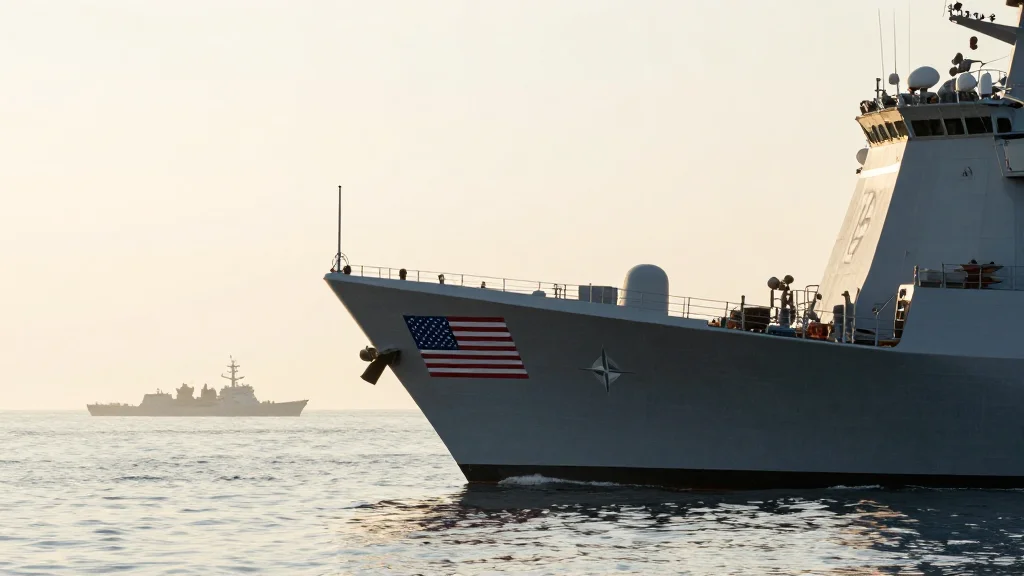
The shift to shared‑responsibility alliances reshapes regional power dynamics, reducing U.S. fiscal strain while bolstering collective deterrence against China’s rise.
Key Takeaways
- •US pledges $1.5 trillion defense budget for 2026
- •Allies urged to meet 3.5 % GDP defense spending target
- •South Korea, Philippines, Japan increase defense budgets to match threats
- •Strategy emphasizes “strong, quiet, clear” deterrence in the first island chain
- •Shift from US‑subsidized protection to shared‑responsibility partnerships
Pulse Analysis
The United States is redefining its Pacific posture by moving away from a patron‑state model toward a partnership framework that demands tangible contributions from regional allies. President Trump’s administration has earmarked a historic $1.5 trillion defense budget for 2026, signaling a commitment to sustain a robust forward presence while expecting partners to shoulder a larger share of the cost. By setting a 3.5 % of GDP defense‑spending target, Washington is leveraging economic leverage to accelerate modernization across the Indo‑Pacific, ensuring that allies possess the capabilities needed to deter aggression without relying solely on American firepower.
Key to this strategy is the concept of "strong, quiet, clear" deterrence, focused on the first island chain that stretches from Japan to the Philippines. Rather than escalating rhetoric, the U.S. is investing in distributed, resilient forces capable of denying rapid advances and making escalation unattractive. This approach aligns with the broader National Defense Strategy, which prioritizes a balance of power that prevents any single hegemon, particularly China, from dominating the region’s maritime and economic corridors. The emphasis on practical, interest‑driven cooperation reflects a realistic assessment of geopolitical risks and the need for a stable, rules‑based order that supports free trade and growth.
Regional allies are responding with notable budgetary shifts. South Korea has committed to a 3.5 % GDP defense spend, the Philippines is boosting its defense budget by 12 %, and Japan continues its rapid transformation of force structures. Australia, Singapore and Indonesia are also deepening interoperability and expanding joint exercises. These moves not only enhance collective security but also stimulate defense‑industrial collaboration, from co‑producing Javelin missiles with India to joint shipbuilding projects. The cumulative effect is a more balanced burden‑sharing model that strengthens the alliance network, reduces American taxpayer exposure, and fortifies a durable peace in the Pacific.
Hegseth Speaks at Shangri-La Dialogue (Full)
Comments
Want to join the conversation?
Loading comments...