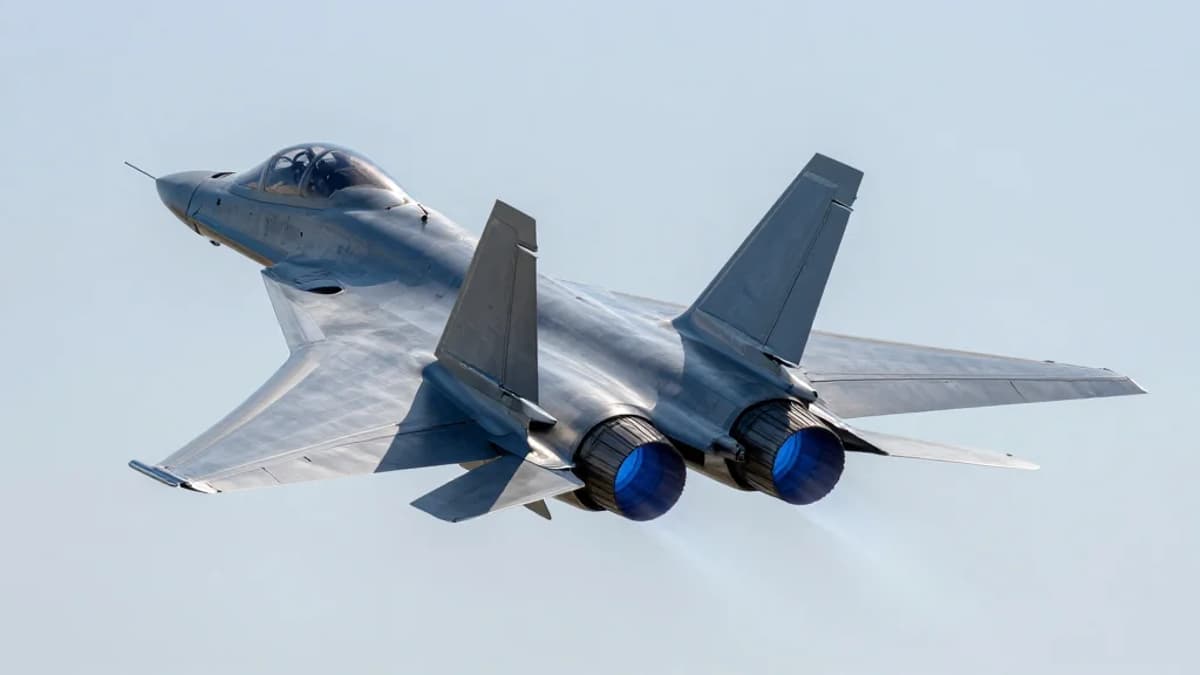
Hermeus Achieves First Flight of Mk. 2.1 Supersonic Aircraft
•March 3, 2026
0
Why It Matters
The flight proves Hermeus’s ability to scale supersonic technology toward viable commercial aircraft, potentially reshaping high‑speed travel and defense logistics.
Key Takeaways
- •Mk 2.1 flew from Spaceport America on March 2
- •Pratt & Whitney F100‑229 powers the demonstrator
- •Remote‑piloted flight validates high‑speed cruise systems
- •Builds on Mk 1 test at Edwards AFB, May 2025
- •Accelerates path toward commercial supersonic transport
Pulse Analysis
Hermeus’s March flight of the Quarterhorse Mk 2.1 marks a pivotal moment in the race to revive supersonic passenger travel. After a brief, low‑altitude sortie of the Mk 1 prototype in May 2025, the company has quickly progressed to a higher‑performance demonstrator equipped with a proven F100‑229 turbofan. This engine, originally designed for fighter jets, offers the thrust and reliability needed to sustain sustained Mach 1.5‑plus cruise, a critical benchmark for future commercial routes that promise to halve trans‑Atlantic flight times.
The technical leap embodied by the Mk 2.1 goes beyond raw speed. By integrating advanced composite airframes, adaptive flight controls, and a remotely piloted architecture, Hermeus is gathering data on thermal loads, fuel efficiency, and noise footprints under real‑world conditions. These insights are essential for meeting stringent regulatory standards on sonic booms and emissions, which have historically hampered supersonic ambitions. Moreover, leveraging an existing military engine reduces development risk and shortens the certification timeline, positioning Hermeus ahead of rivals still reliant on bespoke powerplants.
Market analysts view the successful flight as a catalyst for broader investment in high‑speed aviation. Airlines seeking to differentiate premium offerings and defense agencies interested in rapid cargo deployment stand to benefit from a certified supersonic platform. If Hermeus can translate demonstrator data into a production‑ready aircraft within the next few years, it could unlock a new segment of the aerospace market, driving supply‑chain growth, stimulating innovation in materials science, and reshaping global travel patterns. The company’s momentum suggests that commercial supersonic flight may transition from speculative concept to operational reality sooner than previously anticipated.
Hermeus Achieves First Flight of Mk. 2.1 Supersonic Aircraft
0
Comments
Want to join the conversation?
Loading comments...