Why It Matters
The advances position HII as a key supplier of next‑generation autonomous naval capabilities, accelerating fleet modernization for the U.S. and allied forces. Faster deployment of USVs and UUVs enhances mission reach, survivability, and interoperability across maritime domains.
Key Takeaways
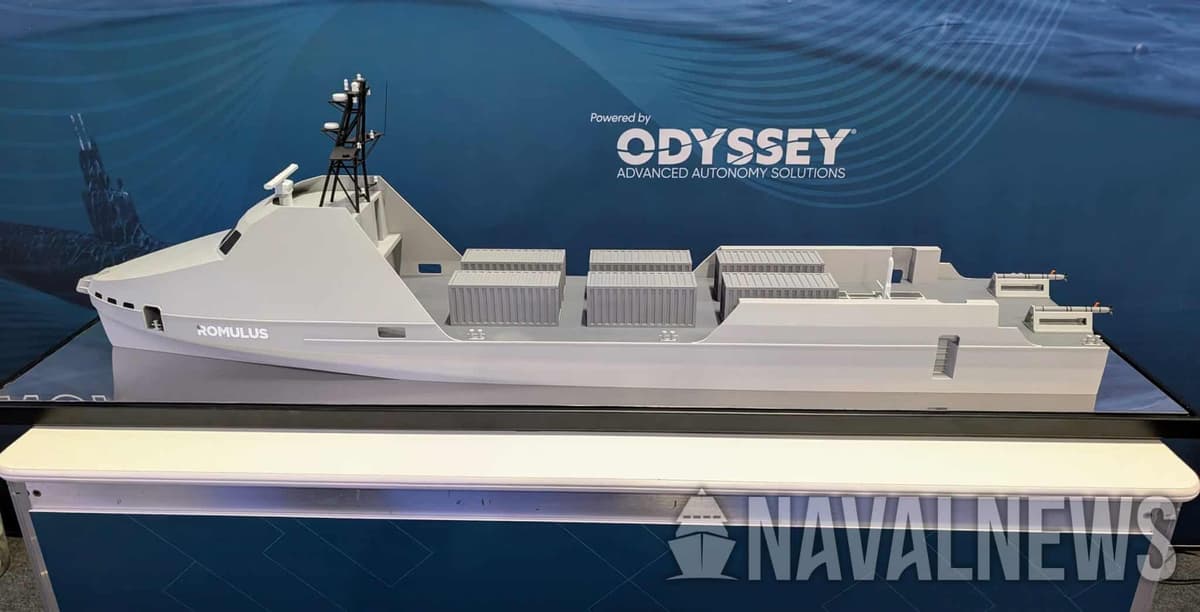
- •HII showcased ROMULUS 151 USV and REMUS UUVs at CNE 2026
- •Delivered over 750 REMUS vehicles to 30+ countries, 90% still operational
- •Secured DIU contract for autonomous torpedo‑tube launch and recovery system
- •Expanded European hub in Portchester to support allied unmanned system sustainment
- •Odyssey ACS software enables swarm control across domains, boosting fleet lethality
Pulse Analysis
The global race to field autonomous maritime platforms has intensified as navies seek to extend reach while reducing crew risk. Huntington Ingalls Industries, already the U.S. Navy’s largest shipbuilder, used the Combined Naval Event 2026 to demonstrate how its ROMULUS 151 unmanned surface vessel and REMUS underwater vehicles fit into that strategic shift. By pairing hardware with the Odyssey Autonomous Control System, HII offers a plug‑and‑play solution that can command swarms of drones across surface, subsurface and aerial domains, a capability increasingly demanded by modern joint operations.
At the heart of HII’s announcement is a suite of concrete milestones that signal commercial‑grade maturity. A recent Defense Innovation Unit contract will deliver a torpedo‑tube launch and recovery (TTLR) system, enabling submarines to deploy and retrieve REMUS UUVs without surfacing. The successful forward‑deployed launch of a REMUS 600 from USS Delaware validates the concept for real‑world ISR missions. Meanwhile, the company’s expanded Portchester hub in the United Kingdom provides regional logistics, training and sustainment, ensuring allied customers can field and maintain these systems with minimal downtime.
For the defense industry, HII’s push toward scaled production of ROMULUS USVs and its integration with partners like Babcock International underscore a broader trend toward interoperable, vendor‑agnostic autonomous fleets. As NATO and partner navies adopt these tools for mine countermeasures, seabed warfare, and strike missions, the competitive landscape will reward firms that can deliver rapid, cost‑effective delivery and lifecycle support. HII’s roadmap suggests it aims to be the backbone of that ecosystem, positioning the United States and its allies for a more resilient, networked maritime future.
HII Showcased ROMULUS 151 at Combined Naval Event 2026
Comments
Want to join the conversation?
Loading comments...