HII Unveils Next-Gen Framework for Integrated Manned-Unmanned Warfare
Why It Matters
By marrying manned platforms with autonomous assets, the framework boosts the U.S. Navy’s operational flexibility, accelerates deployment of new capabilities and reinforces a distributed, resilient force posture that counters peer competitors.
Key Takeaways
- •HII's framework links manned ships with autonomous surface and underwater vehicles
- •Open‑architecture design enables rapid integration of new mission modules
- •ROMULUS USV provides modular payloads for extended sensing and strike
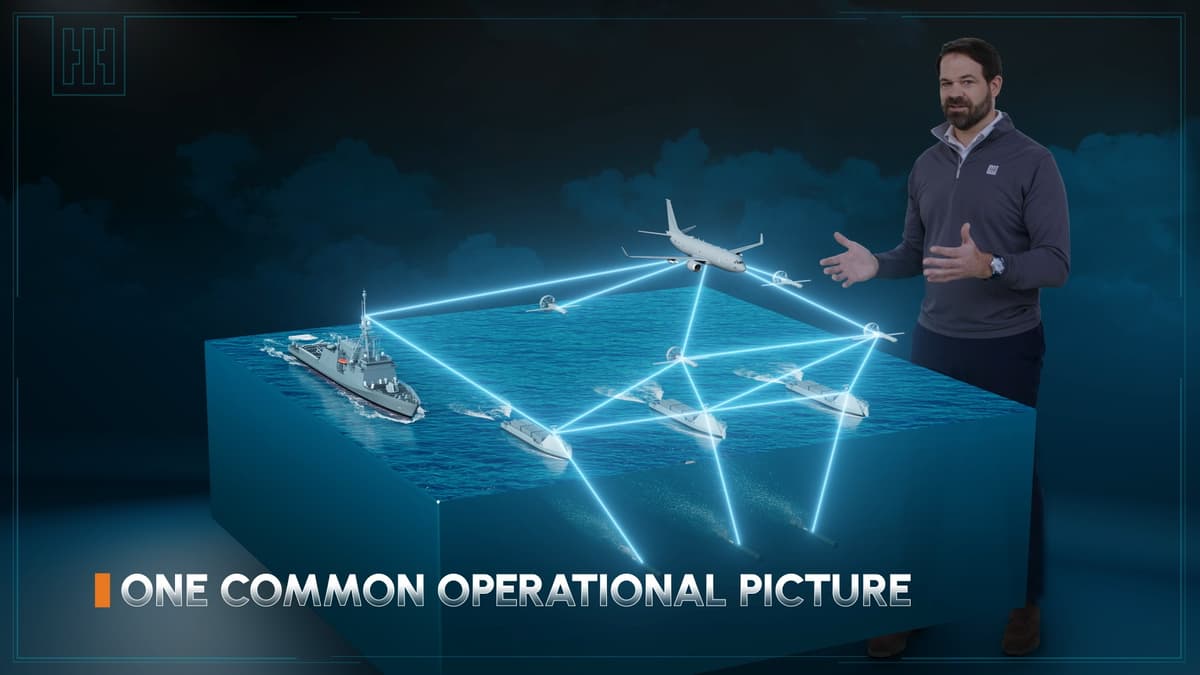
- •Minotaur system fuses multi‑domain data into a unified operational picture
- •Framework supports Navy’s “Hedge Strategy” for distributed, resilient force
Pulse Analysis
The defense sector is undergoing a rapid transition toward unmanned and networked warfare, and HII’s new framework positions the company at the forefront of that shift. By leveraging its existing shipbuilding expertise and pairing it with modular, containerized payloads, HII offers a plug‑and‑play solution that can be fielded across legacy vessels and future platforms alike. This open‑architecture approach reduces integration timelines, cuts lifecycle costs, and invites third‑party innovators to contribute sensors, weapons or AI tools without extensive re‑engineering.
At the heart of the framework are several key technologies. The ROMULUS unmanned surface vessel extends a ship’s reach with interchangeable payload bays, while the REMUS underwater vehicle adds undersea ISR and strike capabilities. Data from these assets is aggregated by the Minotaur Mission Management System, which creates a common operational picture that spans air, sea, space and cyber domains. The Odyssey Autonomous Control System then orchestrates multiple unmanned platforms, enabling coordinated missions that can be launched from a single command node on a surface combatant. Together, these components deliver a scalable, mission‑enabled architecture that can be tailored to specific threat environments.
Strategically, the framework dovetails with the Navy’s “Hedge Strategy,” which emphasizes distributed lethality and resilience against sophisticated anti‑access/area‑denial systems. For the U.S. and its allies, this means faster adoption of autonomous capabilities, enhanced ISR coverage, and the ability to project power without relying solely on traditional carrier strike groups. Industry players stand to benefit from new procurement opportunities, while adversaries must contend with a more adaptable, networked maritime force that can operate across the full spectrum of conflict.
HII unveils next-gen framework for integrated manned-unmanned warfare
Comments
Want to join the conversation?
Loading comments...