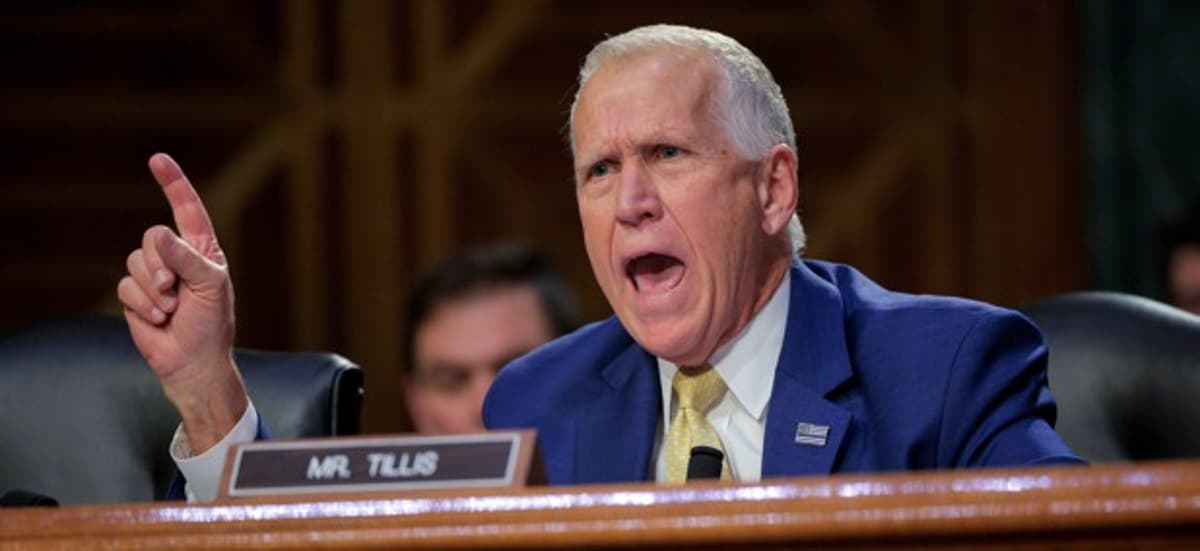
Homeland Security Department Is Stonewalling Watchdog Investigations, GOP Senator Alleges
•March 3, 2026
0
Why It Matters
The dispute underscores growing congressional friction over DHS transparency, potentially hampering oversight of immigration enforcement and disaster response. Continued leadership resistance could erode public trust and delay critical federal actions.
Key Takeaways
- •Tillis alleges DHS misled OIG in ten cases
- •DHS leadership accused of blocking watchdog investigations
- •Senator threatens legislative hurdles until DHS complies
- •OIG probes ICE force, citizenship, CBP interior enforcement
- •IG Joseph Cuffari faced misconduct findings, no removal
Pulse Analysis
Congressional oversight of the Department of Homeland Security has entered a new flashpoint as Sen. Thom Tillis publicly accused the agency of stonewalling the Office of Inspector General. The alleged letter, which points to ten instances of leadership misleading investigators, fuels a broader debate about the independence of federal watchdogs. Historically, the OIG serves as a critical check on DHS’s expansive mandate, from immigration enforcement to emergency management, and any perception of obstruction can trigger legislative pushback and heightened media scrutiny.
The fallout extends beyond procedural disputes. Tillis singled out Secretary Kristi Noem’s policy requiring a review of FEMA expenditures over $100,000, arguing it has stalled hurricane recovery efforts in the Southeast. Coupled with criticism of DHS’s handling of the Minneapolis protestor shootings and the agency’s ongoing funding lapse, the accusations paint a picture of an organization struggling to balance security priorities with operational transparency. These tensions risk delaying disaster aid, complicating immigration enforcement, and amplifying partisan divides in Congress.
At the center of the controversy is IG Joseph Cuffari, whose 2024 misconduct findings have yet to result in removal despite a bipartisan panel’s recommendation. Cuffari’s survival through the 2025 mass IG firings and his continued leadership raise questions about accountability mechanisms within DHS. As lawmakers consider procedural hurdles and potential reforms, the episode may catalyze stronger statutory safeguards for inspector‑general independence, ensuring that future investigations can proceed without political interference and that the department’s actions remain subject to rigorous oversight.
Homeland Security Department is stonewalling watchdog investigations, GOP senator alleges
0
Comments
Want to join the conversation?
Loading comments...