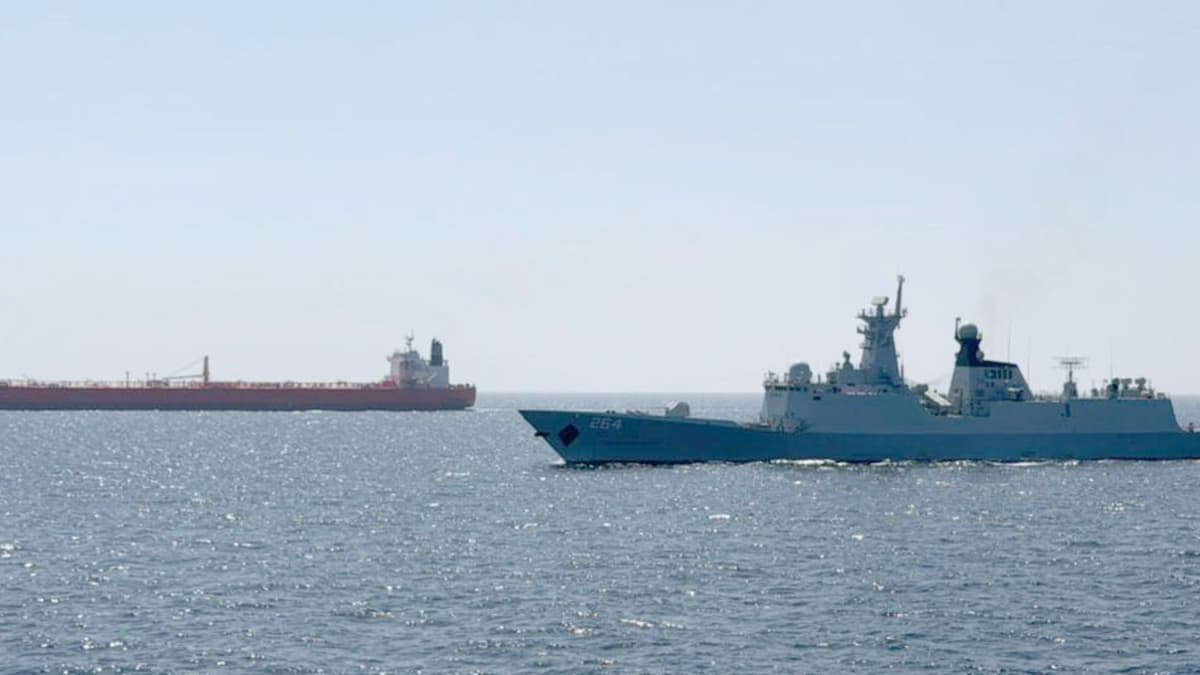
Hormuz in the Crosshairs: How Pakistan Is Shielding Its Trade From the US-Iran War
•March 10, 2026
0
Why It Matters
Securing the maritime supply chain safeguards Pakistan’s energy security and economic stability, while showcasing the navy’s shift toward grey‑zone maritime security that could reshape regional shipping dynamics.
Key Takeaways
- •Operation Muhafiz-ul-Bahr escorts Pakistani merchants through Hormuz
- •Tughril frigates provide layered air and surface defence
- •Yarmook OPVs handle low‑threat patrols, freeing frigates
- •90% of Pakistan’s trade depends on sea routes
- •Crisis may push PN into broader regional security role
Pulse Analysis
The sudden closure of the Strait of Hormuz after the joint US‑Israeli strikes on Iran has sent shockwaves through global energy markets, pushing crude prices above $100 per barrel. For Pakistan, a nation that ships roughly nine‑tenths of its imports via sea, the disruption threatens a critical lifeline for oil, LNG, and essential commodities. Insurers have withdrawn coverage for vessels attempting the transit, forcing shippers to seek alternative, costlier routes. In this high‑stakes environment, the Pakistan Navy’s decision to launch Operation Muhafiz‑ul‑Bahr reflects a pragmatic response to protect national trade flows and prevent a supply‑chain bottleneck.
At the heart of the operation are the recently commissioned Tughril‑class frigates and Yarmook‑class offshore patrol vessels, platforms deliberately chosen for their multi‑mission flexibility. The 4,200‑tonne Tughril frigates boast a 32‑cell vertical launch system, supersonic anti‑ship missiles, and a close‑in weapon system, delivering a credible air‑and‑surface shield for escorted convoys. Complementing them, the smaller Yarmook OPVs conduct sustained patrols and surveillance across lower‑threat sectors, preserving the frigates for high‑risk corridors near the Hormuz choke point. This force mix enables Pakistan to project a defensive umbrella without escalating into direct combat, a hallmark of modern grey‑zone naval strategy.
Looking ahead, the prolonged Hormuz impasse could cement the Pakistan Navy’s role as a regional maritime security guarantor. By consistently safeguarding its own commercial vessels, the navy may expand protection to foreign carriers navigating the Indian Ocean, enhancing its standing within the Combined Maritime Forces and attracting strategic partnerships. Economically, uninterrupted sea lanes would stabilize import costs and support growth, while operationally the navy gains valuable experience in extended escort missions, logistics, and joint coordination with the national shipping corporation. The success of Operation Muhafiz‑ul‑Bahr will therefore influence both Pakistan’s defence procurement roadmap and the broader security architecture of the Gulf and Indian Ocean corridors.
Hormuz in the Crosshairs: How Pakistan is Shielding Its Trade from the US-Iran War
0
Comments
Want to join the conversation?
Loading comments...