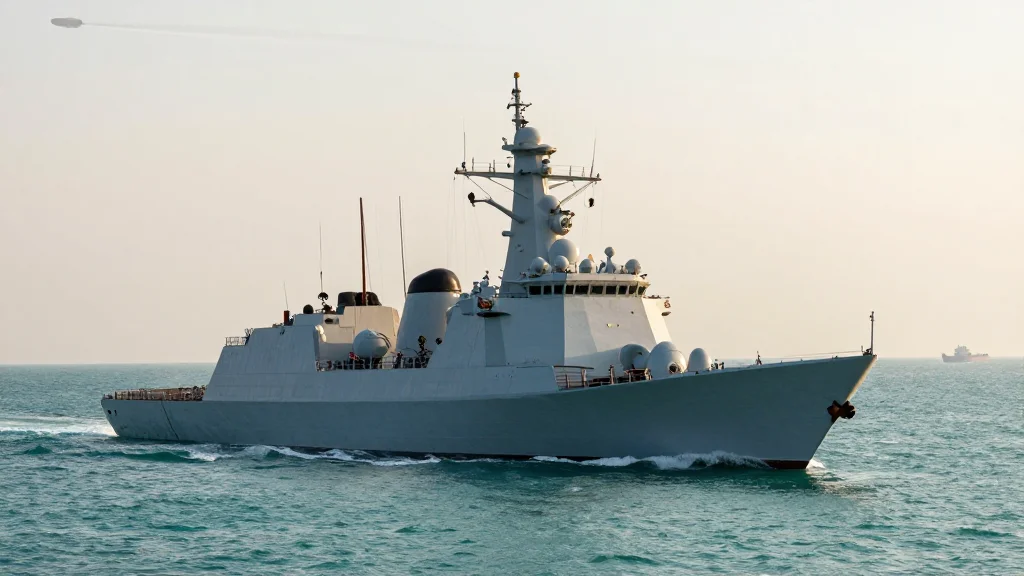
Hormuz Is a Warning for the Indo-Pacific
Why It Matters
The Hormuz episode underscores how control of narrow waterways can destabilize global markets and foreshadows heightened security risks for the Indo‑Pacific’s trade routes, prompting nations to reassess maritime defense postures.
Key Takeaways
- •Iran threatened to fire on any ship in Hormuz
- •Drone and missile attacks halted Middle East oil flow
- •Strait closure raised global energy prices sharply
- •Highlights vulnerability of Indo‑Pacific maritime chokepoints
Pulse Analysis
The Strait of Hormuz has long been a flashpoint, but Iran’s recent aggressive posture demonstrates a modern twist on an old strategy: weaponizing geography to influence global economics. By leveraging low‑cost drones, precision missiles and naval mines, Tehran achieved a rapid, high‑impact disruption of oil shipments without a full‑scale naval engagement. This approach not only sent energy prices soaring but also illustrated how non‑state actors and smaller militaries can leverage asymmetric tools to challenge larger powers in confined maritime spaces.
For the Indo‑Pacific, the Hormuz incident serves as a cautionary tale. The region’s trade depends on a network of narrow passages—such as the Malacca Strait, the South China Sea’s contested reefs, and the Taiwan Strait—where a single hostile action could reverberate through global supply chains. Nations like the United States, Japan, and Australia are already investing in distributed maritime surveillance, unmanned surface vessels, and rapid‑response mine‑countermeasure units to mitigate similar threats. The lesson is clear: resilience must be built into both the physical infrastructure and the strategic doctrines governing these chokepoints.
Strategically, the episode may accelerate diplomatic efforts to institutionalize freedom‑of‑navigation norms and to develop multilateral response frameworks. As energy markets become increasingly volatile, policymakers are likely to push for diversified routing and strategic petroleum reserves to cushion price shocks. Ultimately, the Hormuz episode reminds stakeholders that control of waterways remains a potent lever of power, and that the Indo‑Pacific must prepare for a future where maritime coercion is a central element of great‑power competition.
Hormuz Is a Warning for the Indo-Pacific
Comments
Want to join the conversation?
Loading comments...