Hormuz Is Just a ‘Dry Run’ if China and U.S. Go to War in the Pacific, Singapore Foreign Minister Warns
Why It Matters
Singapore’s stance preserves its economic independence while safeguarding critical maritime routes that underpin global trade, signaling to both superpowers that small states can influence geopolitical risk management.
Key Takeaways
- •Singapore hosts ~6,000 U.S. firms, its largest foreign investor.
- •China is Singapore’s top trading partner and biggest investor in Singapore.
- •Singapore will not choose sides, citing long‑term national interest.
- •Singapore stresses keeping Strait of Malacca open, opposing tolls.
- •Trust‑based services like cyber security and AI governance are strategic priorities.
Pulse Analysis
Singapore finds itself at the crossroads of great‑power rivalry, yet it has leveraged its unique economic portfolio to stay neutral. With about 6,000 American companies operating locally and a $3.6 billion trade deficit with the United States, the city‑state is a major hub for U.S. investment. Simultaneously, China remains Singapore’s largest trading partner and its biggest foreign investor, creating a delicate balance that the foreign minister says will not be compromised by external pressure. This dual‑track approach allows Singapore to protect its long‑term national interests while remaining a valuable conduit for both economies.
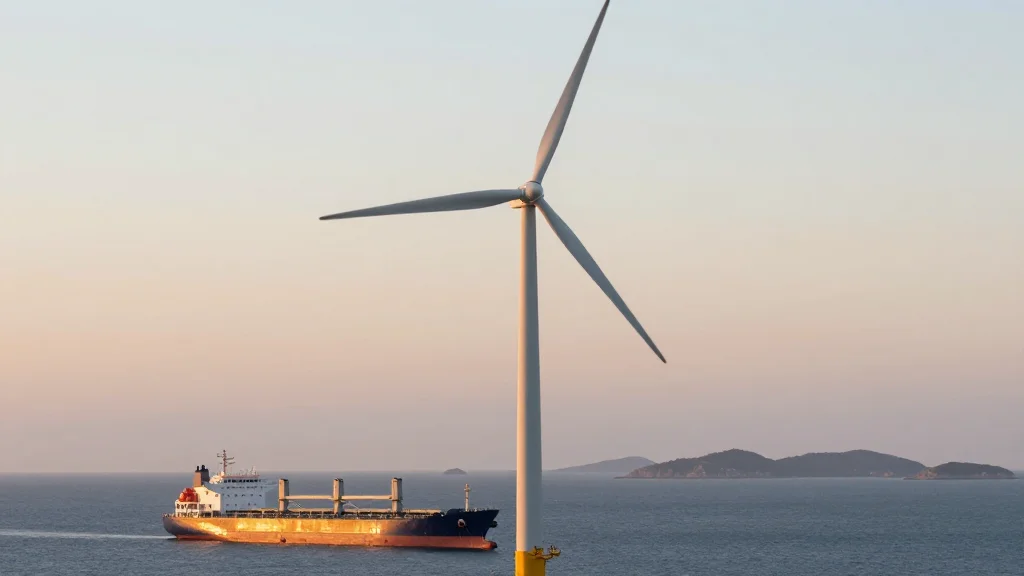
The minister’s reference to the Strait of Hormuz as a "dry run" underscores the broader relevance of maritime chokepoints. Singapore’s own Strait of Malacca, at its narrowest two nautical miles, is a vital artery for roughly a third of global shipping. By invoking UNCLOS Article 44, Balakrishnan signaled a firm commitment to free transit and warned against any toll‑imposition schemes that could mirror Iran’s moves in Hormuz. Maintaining open waterways is essential not only for regional security but also for preserving the cost‑efficiency of international supply chains that depend on predictable passage.
Beyond physical trade routes, Singapore is positioning itself as a trust‑engineered economy. Deputy Prime Minister Gan Kim Yong highlighted the need for reliable, low‑transaction‑cost environments, prompting investments in risk‑management platforms, cyber‑security frameworks, and AI governance structures. These initiatives aim to attract businesses seeking stable, transparent ecosystems amid geopolitical turbulence. By coupling its strategic location with a robust trust infrastructure, Singapore reinforces its role as a resilient financial and logistics hub, offering a model for other nations navigating the complexities of great‑power competition.
Hormuz is just a ‘dry run’ if China and U.S. go to war in the Pacific, Singapore foreign minister warns
Comments
Want to join the conversation?
Loading comments...