Why It Matters
The blockage threatens global energy supply chains and exposes strategic vulnerabilities in aging naval forces, prompting accelerated investment in mine‑countermeasure capabilities.
Key Takeaways
- •Iran's IRGC mines shut 20% of world oil flow through Hormuz.
- •USS Frank E. Peterson and USS Michael Murphy lead US clearance effort.
- •Mission is largest maritime mine removal since 1991 Gulf War.
- •No timeline disclosed, revealing uncertainty in MCM resource allocation.
- •Highlights need for modern unmanned mine countermeasure platforms.
Pulse Analysis
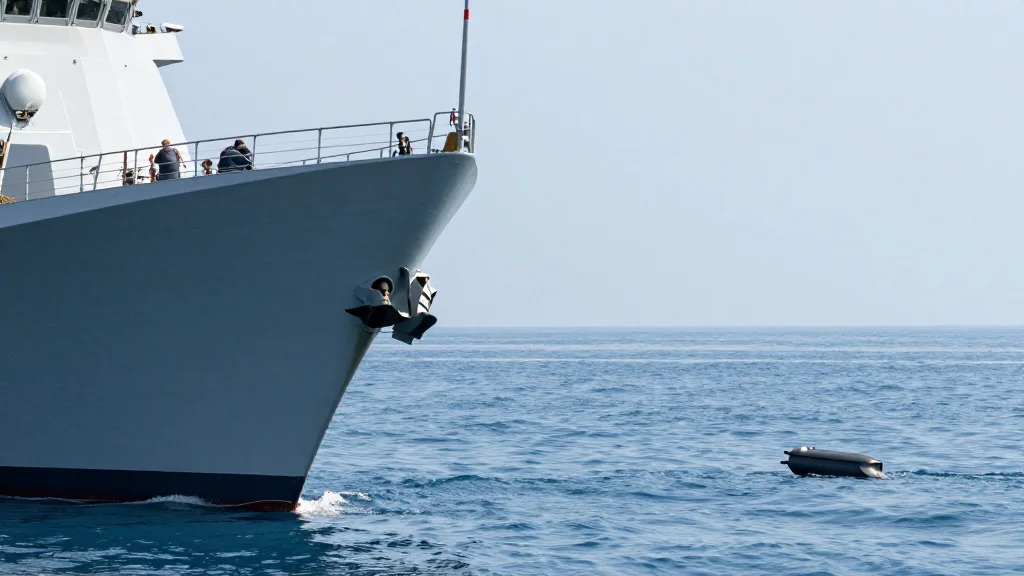
The Strait of Hormuz has long been a linchpin of global energy logistics, with roughly one‑fifth of the world’s oil passing through its narrow channels. When Iran’s IRGC deployed mines in early April 2026, the waterway’s closure sent immediate ripples through commodity markets and forced the United States to demonstrate a rapid response. By dispatching the guided‑missile destroyers USS Frank E. Peterson and USS Michael Murphy, US Central Command signaled both a tactical capability to address the threat and a strategic resolve to keep this vital artery open.
Beyond the immediate clearance effort, the incident lays bare a broader challenge: Western navies are grappling with aging hulls and a shortage of dedicated mine‑countermeasure vessels. While unmanned surface and underwater systems promise to fill the gap, many remain in developmental stages or limited production. The lack of a clear timeline or asset inventory in the official announcement reflects institutional uncertainty about how quickly these technologies can be fielded at scale, and it raises questions about the readiness of legacy platforms to handle sophisticated mine threats.
For the global economy, any prolonged disruption in Hormuz could tighten oil supplies, elevate prices, and strain energy‑dependent industries. Defense planners are therefore likely to prioritize funding for next‑generation MCM platforms, integrating autonomous drones, advanced sonar, and AI‑driven detection algorithms. As the United States and its allies reassess force structure, the Hormuz episode may become a catalyst for a new wave of naval procurement, ensuring that future chokepoint crises can be resolved faster and with fewer risks to personnel and commerce.
Hormuz mines reopen the MCM capability question
Comments
Want to join the conversation?
Loading comments...