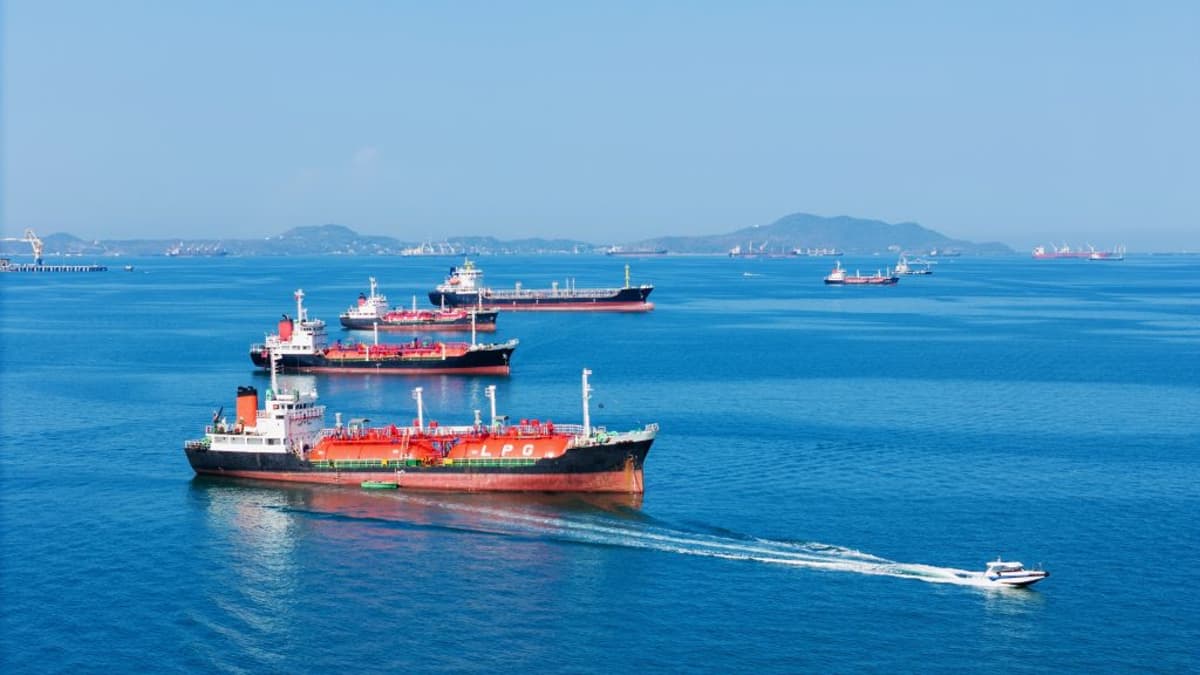
Hormuz Shut Again as Iran Warns Ships Face Attack
Why It Matters
The closure threatens a critical chokepoint for global energy supplies, potentially driving up oil prices and inflating freight costs for businesses worldwide. It also signals heightened U.S.–Iran tensions that could destabilize broader Middle‑East trade routes.
Key Takeaways
- •Iran re‑closes Hormuz, threatening any approaching vessel
- •US‑Iran tensions rise after alleged US attacks on ships
- •Hormuz carries roughly 20% of global oil and LNG
- •Oil prices jumped above $100 per barrel following closure
- •UK retailers may see higher freight, fuel, and food costs
Pulse Analysis
The Strait of Hormuz has long been a geopolitical flashpoint, but its strategic relevance has surged as global demand for energy rebounds after pandemic‑induced lows. Controlling a narrow passage that funnels about 20% of the world’s oil and liquefied natural gas, Iran can leverage the waterway to exert pressure on adversaries. Tehran’s latest warning—threatening to fire on any vessel that approaches—marks a stark escalation after a brief reopening, underscoring how quickly the corridor can shift from a commercial conduit to a militarized zone.
Market participants reacted swiftly to the renewed shutdown, with Brent crude breaching the $100‑per‑barrel threshold as traders priced in a supply shock. The risk premium reflects not only the immediate loss of transit capacity but also heightened insurance costs for vessels that must detour around the Cape of Good Hope, adding weeks to shipping times. Energy‑intensive economies are already grappling with inflationary pressures, and a prolonged Hormuz closure could amplify price volatility across commodities, from gasoline to petrochemicals, feeding into broader consumer price indices.
For the United Kingdom, the ripple effects are immediate. Higher freight rates translate into increased costs for retailers, especially those dependent on imported food and raw materials. Analysts warn that sustained disruptions could erode profit margins and push the UK closer to a recessionary outlook. Policymakers may consider strategic petroleum reserves releases or diplomatic initiatives to de‑escalate tensions, but the underlying geopolitical rivalry suggests that businesses must prepare for a longer‑term realignment of supply chains and cost structures. Understanding these dynamics is essential for executives navigating the uncertain landscape ahead.
Hormuz shut again as Iran warns ships face attack
Comments
Want to join the conversation?
Loading comments...