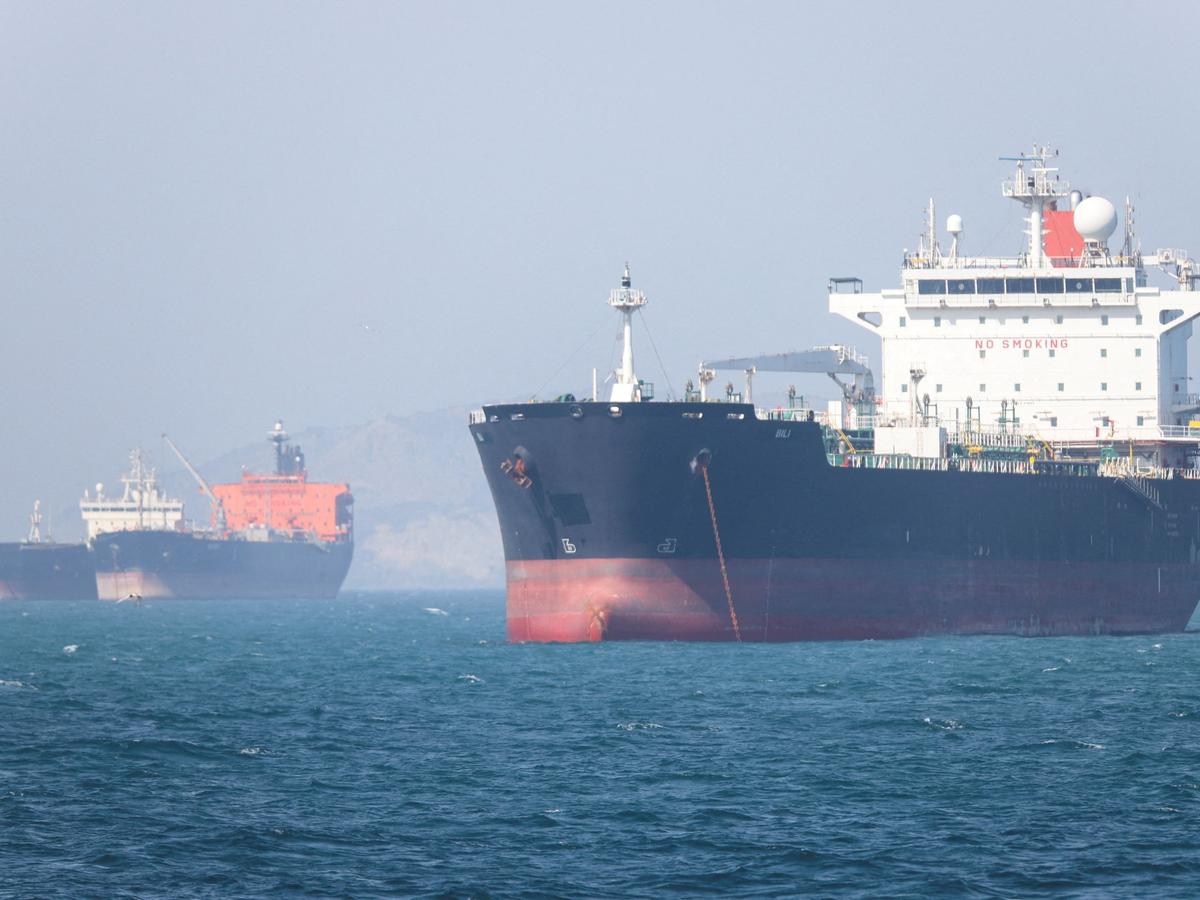
Hormuz Tensions Push Ceasefire to the Brink as Trump Threatens Iran
Why It Matters
The showdown threatens global oil flow through a critical chokepoint, risking higher energy prices and broader market instability.
Key Takeaways
- •Trump threatens to blow Iran off Earth over Hormuz attacks
- •US launched Project Freedom to escort ships through Hormuz amid strikes
- •Iran struck UAE, igniting fire in Fujairah oil zone, injuring three
- •US gasoline price rose above $4.45 per gallon, stoking inflation
- •Centcom says 87 nations' vessels are innocent bystanders in Hormuz conflict
Pulse Analysis
The Strait of Hormuz remains one of the world’s most vital maritime arteries, funneling roughly 20% of global oil shipments. President Trump’s stark warning—vowing to “blow Iran off the face of the Earth”—underscores a shift toward overt military posturing, while the newly announced Project Freedom aims to demonstrate U.S. capability to keep the waterway open. By escorting two merchant vessels and claiming the downing of seven Iranian boats, Washington signals readiness to enforce navigation, even as satellite data shows most commercial traffic still suspended.
Iran’s retaliation has been swift and multifaceted. The Iranian military launched a barrage of ballistic missiles, cruise missiles, and drones at the United Arab Emirates, igniting a fire in the Fujairah Petroleum Industry Zone and injuring three workers. Simultaneously, a South Korean cargo ship suffered an explosion and fire off the UAE coast, and the UK’s maritime authority reported additional vessel fires. These actions reinforce Tehran’s willingness to target regional trade, complicating the U.S. narrative that Iranian capabilities are limited to “fast boats.” The broader implication is a heightened risk to the 87 nations whose vessels are now labeled “innocent bystanders,” potentially prompting more nations to demand protective escorts.
The economic ripple effects are already evident. Global oil prices have surged, pushing U.S. gasoline to over $4.45 per gallon—a level not seen since the early pandemic. Higher fuel costs feed directly into inflation calculations, sharpening political pressure ahead of the midterm elections. Investors watch the Hormuz standoff closely, aware that any prolonged disruption could tighten global supply chains and force a reassessment of energy security strategies. The convergence of military brinkmanship, regional attacks, and soaring consumer prices makes the Hormuz crisis a pivotal flashpoint for both geopolitics and market stability.
Hormuz tensions push ceasefire to the brink as Trump threatens Iran
Comments
Want to join the conversation?
Loading comments...