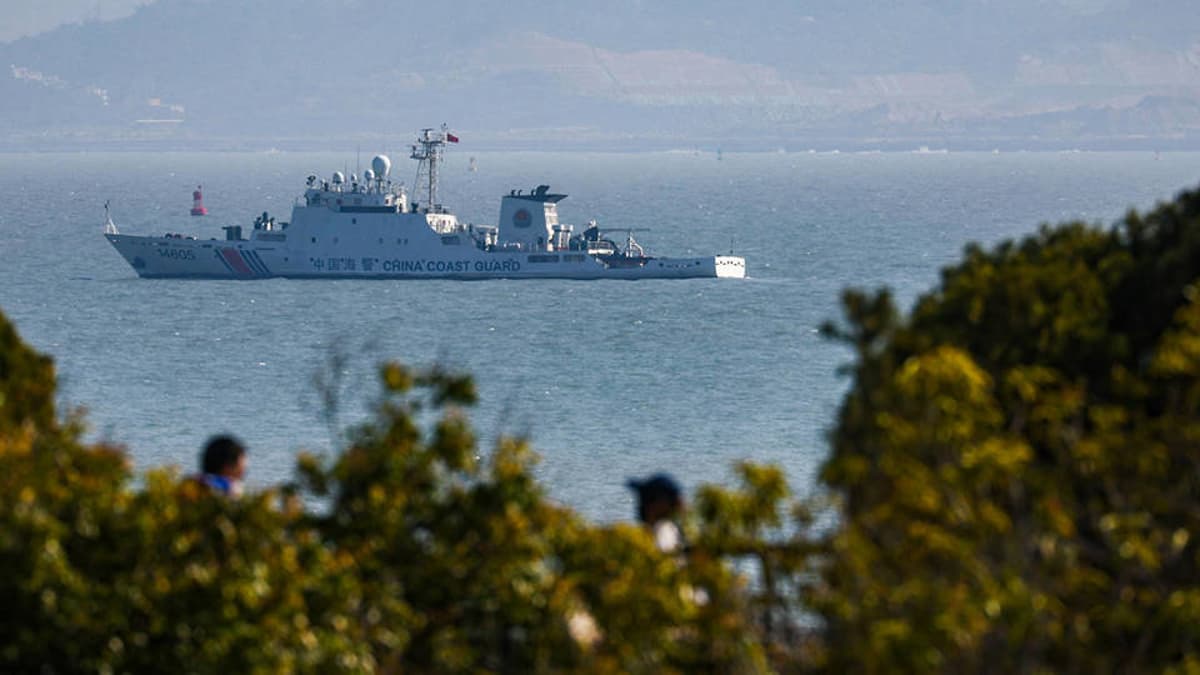
Hormuz Today, Taiwan Tomorrow
Why It Matters
The strait’s shutdown jeopardizes worldwide energy markets and tests U.S. credibility in safeguarding sea lanes, a prerequisite for credible deterrence against Chinese aggression toward Taiwan.
Key Takeaways
- •Iran blocked Hormuz, disrupting ~20% of global oil shipments.
- •Closure tests US ability to protect maritime trade routes.
- •Reopening requires escorts, minesweeping, and precision strikes.
- •Failure could weaken deterrence against Chinese aggression toward Taiwan.
- •Strait’s 100‑mile corridor is vital to world economy.
Pulse Analysis
The Strait of Hormuz, a narrow 100‑mile channel linking the Persian Gulf to the open ocean, carries an estimated 20 percent of the world’s petroleum supplies. Any interruption reverberates through global fuel prices, manufacturing costs, and inflation rates, making the waterway a strategic chokepoint that rivals the Suez Canal in economic importance. Iran’s decision to seal the strait underscores how regional actors can leverage geography to exert outsized influence on the global economy.
For the United States, the immediate challenge is operational: restoring safe passage demands a coordinated naval effort that blends surface escorts, minesweeping vessels, and precision air or missile strikes against hostile launch platforms. Such a response not only clears the waterway but also sends a clear signal to adversaries that U.S. sea‑control capabilities remain robust. The ability to project power swiftly in the Gulf reinforces broader deterrence postures, especially as Beijing watches closely for signs of American resolve.
Beyond the Gulf, the Hormuz episode dovetails with rising tensions over Taiwan. If Washington falters in reopening Hormuz, it may embolden China to consider more aggressive moves toward the island, believing U.S. commitment to maritime security is waning. Investors and policymakers therefore view the strait’s status as a barometer for future stability in the Indo‑Pacific, linking oil market volatility to geopolitical risk assessments across multiple regions.
Hormuz Today, Taiwan Tomorrow
Comments
Want to join the conversation?
Loading comments...