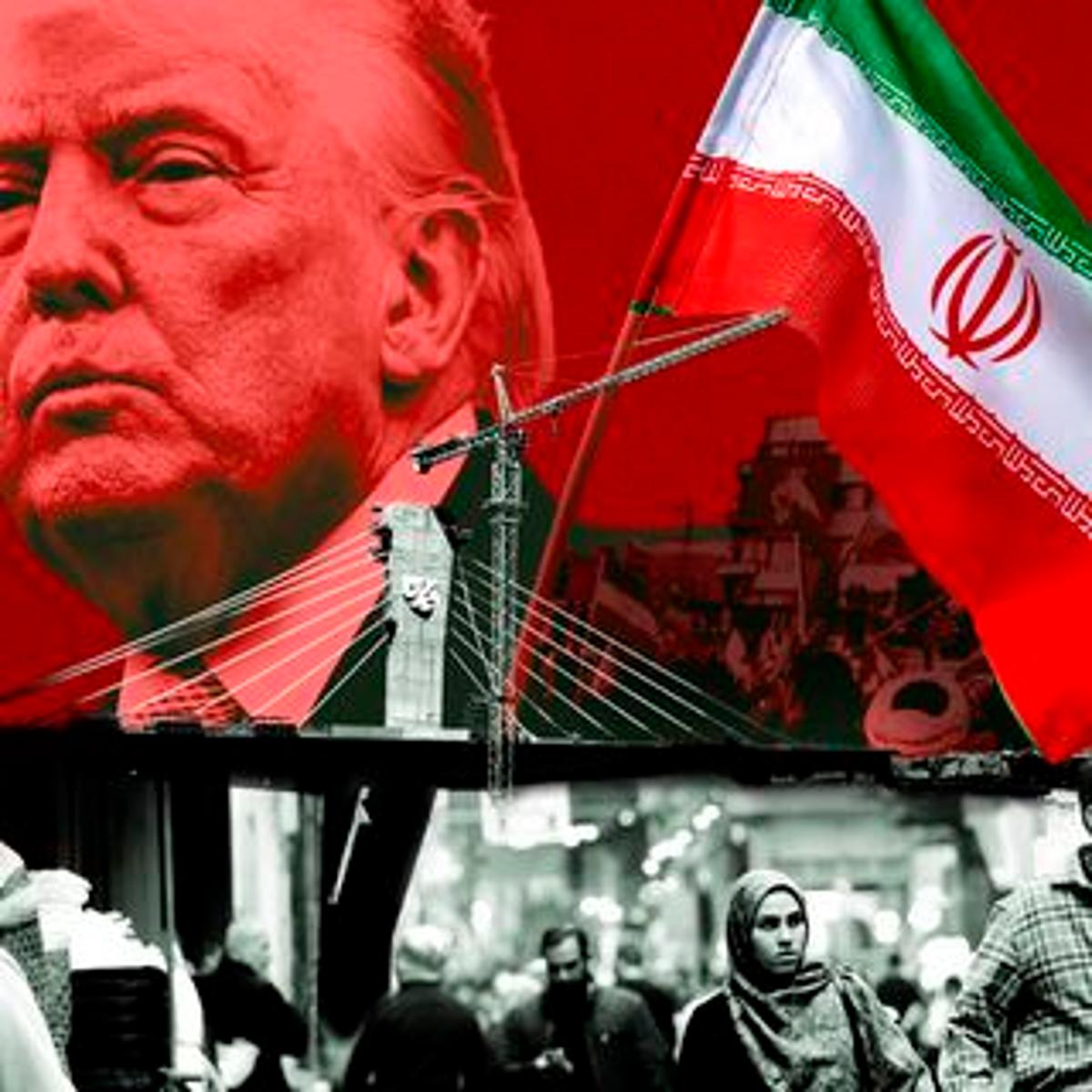
House Hands Trump a Win with Failed Iran War Powers Vote
Why It Matters
The loss weakens congressional oversight of military action, potentially giving the Trump administration freer rein in Iran policy and signaling challenges for future war‑powers legislation.
Key Takeaways
- •Resolution failed 213‑214, third Democratic defeat
- •Rep. Jared Golden voted against his party’s measure
- •Rep. Thomas Massie supported the resolution
- •Cross‑party votes reveal deep partisan divide
- •Congress struggles to rein in executive war powers
Pulse Analysis
The war‑powers debate resurfaced as the House grappled with President Trump’s aggressive posture toward Iran. Historically, the War Powers Resolution of 1973 was designed to check the president’s ability to commit U.S. forces without congressional approval. In recent months, escalating rhetoric and the prospect of renewed hostilities have prompted Democrats to revive the measure, hoping to force a formal vote and reassert legislative authority. Yet the narrow 213‑214 defeat illustrates how partisan calculations and district pressures can override procedural intent.
Political dynamics played a decisive role in the outcome. Centrist Democrat Jared Golden, representing a heavily Republican‑leaning district, broke ranks, arguing that a resolution would weaken the United States’ negotiating leverage with Tehran. Conversely, libertarian‑leaning Republican Thomas Massie crossed the aisle, citing constitutional concerns over unchecked executive power. These defections, along with a “present” vote from Rep. Warren Davidson, turned a potentially successful bipartisan effort into a loss, highlighting the volatility of congressional coalitions on foreign‑policy issues.
The broader implications extend beyond the immediate vote. A failed war‑powers resolution may embolden the Trump administration to pursue a more unilateral approach to Iran, potentially affecting ongoing cease‑fire negotiations and regional stability. It also signals to future lawmakers that any attempt to curb presidential war‑making will require careful navigation of intra‑party factions and strategic outreach to swing members. Observers will watch for renewed legislative attempts, especially as Iran’s nuclear talks evolve, and for how this episode shapes the balance of power between Congress and the executive in U.S. foreign policy.
House hands Trump a win with failed Iran war powers vote
Comments
Want to join the conversation?
Loading comments...