House Rejects Effort to Withdraw U.S. Forces From Iran War as GOP Lawmakers Stick with Trump
Why It Matters
The outcome underscores the deep partisan split over executive military authority and signals continued U.S. involvement in the Iran conflict, with budgetary and geopolitical ramifications.
Key Takeaways
- •House vote 213‑214 fails to force Trump troop withdrawal
- •Democrats cite billions spent, 13 service deaths, rising gas prices
- •Republicans argue war‑powers hypocrisy, cite Biden’s Yemen actions
- •War Powers Act deadline end of April pressures Congress
- •Only one Republican, Thomas Massie, voted for withdrawal
Pulse Analysis
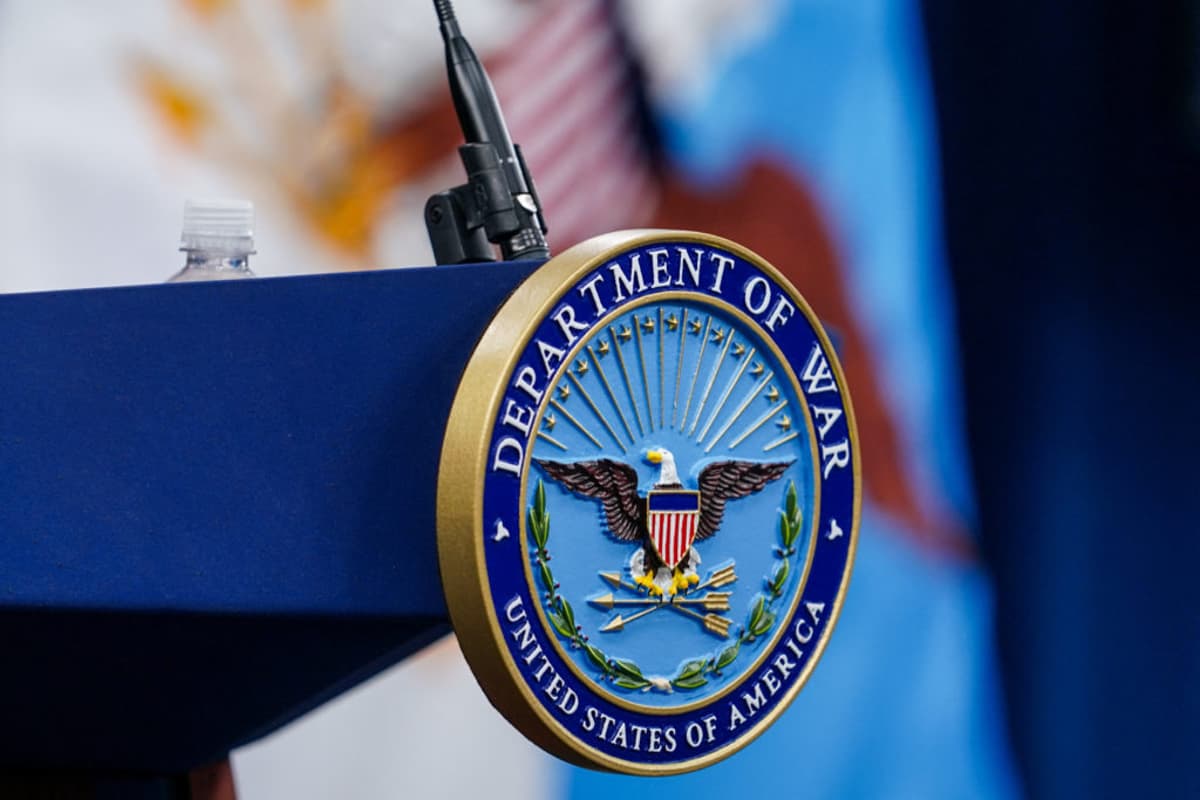
The Iran war, ignited after a joint U.S.-Israel strike on Feb. 28, has quickly become a flashpoint for constitutional debate. Under the 1973 War Powers Act, Congress must authorize sustained military action within 60 days, a deadline that now falls at the end of April. While the conflict remains in its second week of a fragile cease‑fire, the administration’s rebranding of the Defense Department to the "Department of War" signals a more aggressive posture, raising concerns about the long‑term strategic objectives and the legal framework governing U.S. force deployment.
In Washington, the vote revealed stark partisan fault lines. Democrats leveraged the resolution to spotlight the war’s human and economic toll—13 service members killed, billions of dollars expended, and domestic gasoline prices climbing to $7 per gallon. Their narrative frames the conflict as an open‑ended quagmire lacking a clear exit strategy. Republicans, meanwhile, portrayed the effort as hypocritical, pointing to the absence of a war‑powers vote during the 2024 Yemen engagement under President Biden. The lone Republican vote for withdrawal, cast by Rep. Thomas Massie, highlights intra‑party dissent and suggests that fiscal and electoral pressures could eventually force a reassessment of the campaign.
Looking ahead, the unresolved war‑powers deadline could trigger a constitutional showdown, potentially prompting a presidential veto or a congressional override. Allies in the region, already uneasy about unilateral U.S. action, may reassess their strategic alignments, while domestic voters confront rising energy costs and war fatigue. As the 2026 midterm elections approach, both parties will likely use the Iran war as a litmus test for leadership on national security, making the next legislative moves critical for shaping America’s foreign policy trajectory.
House rejects effort to withdraw U.S. forces from Iran war as GOP lawmakers stick with Trump
Comments
Want to join the conversation?
Loading comments...