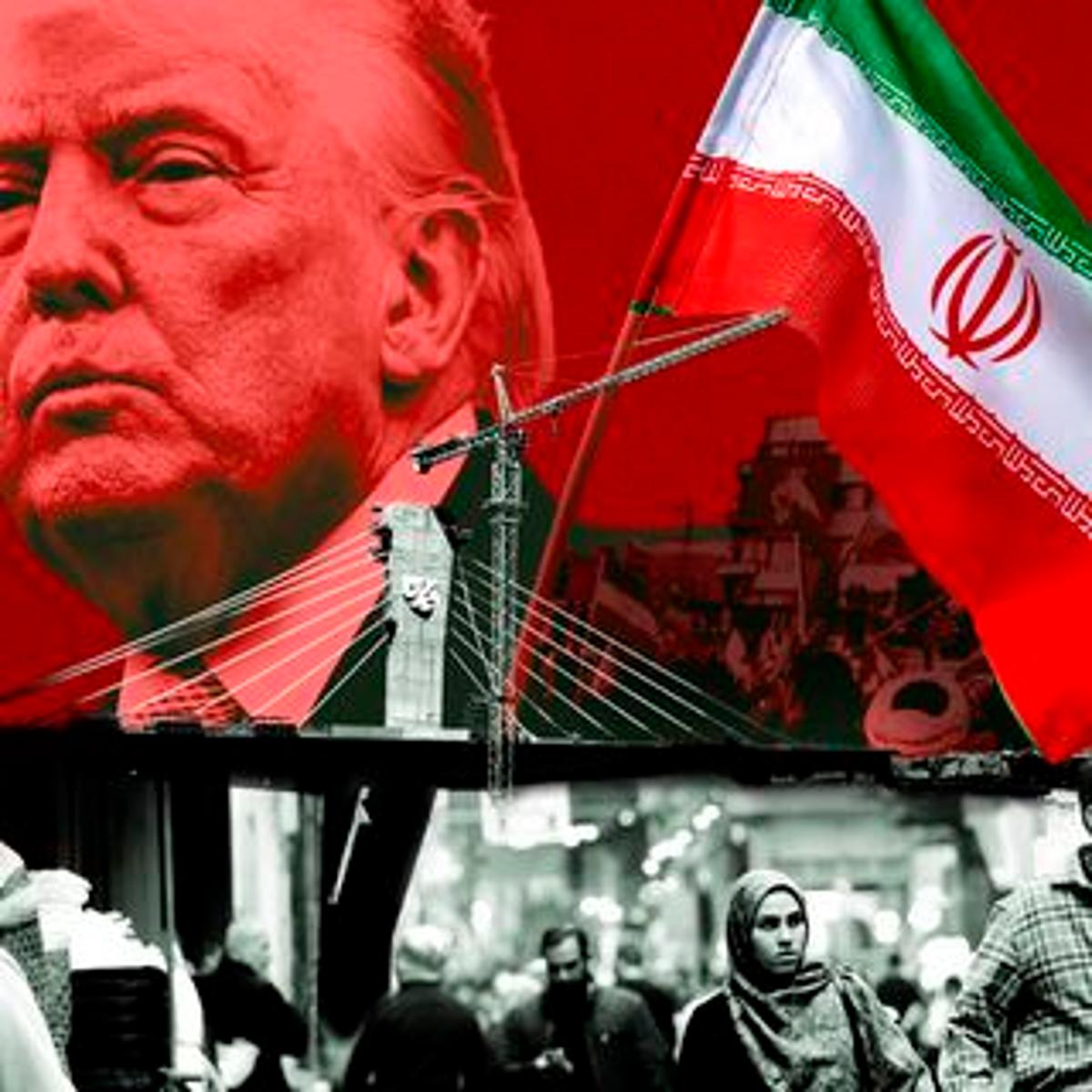
House Republicans Quash Democrats' Long-Shot Attempt to Hamstring Trump on Iran
Why It Matters
The showdown underscores the partisan battle over war‑making powers, signaling how Congress may try to limit executive action on Iran and influencing voter perceptions ahead of upcoming elections.
Key Takeaways
- •Republicans blocked Democrats' Iran war powers resolution on Thursday
- •Measure would have limited Trump's ability to restart hostilities with Iran
- •Democrats plan to force a vote when House reconvenes next week
- •Resolution faces Senate defeat and possible presidential veto
- •Democrats use symbolic votes to signal anti‑war stance to voters
Pulse Analysis
The United States has long grappled with the balance of war‑making authority between the presidency and Congress. Under the War Powers Resolution of 1973, Congress can assert its constitutional role by passing privileged resolutions that curb unilateral military action. In the current context, President Trump has signaled a willingness to re‑engage Iran, a move that would revive tensions from the 2020 drone strike episode. By attempting to pass a new war powers measure, Democrats aim to remind the executive branch of its statutory constraints, even if the practical effect is limited.
Politically, the episode highlights the tactical use of procedural tools by the minority party. Democrats, aware of their numerical disadvantage in the House, leveraged a pro forma session to force a vote, hoping to generate media attention and pressure the speaker. Republican leadership, meanwhile, exercised its prerogative to maintain agenda control, with Rep. Chris Smith effectively ending the session before any debate. This maneuver reflects a broader strategy where both sides employ procedural maneuvers—such as privileged resolutions and unanimous consent requests—to signal policy positions without necessarily achieving legislative success.
The broader implications extend beyond the immediate legislative battle. A failed resolution could still shape public discourse, framing the upcoming midterm elections around foreign‑policy competence and war‑making accountability. Moreover, if Trump proceeds with renewed Iranian operations, the move could trigger regional escalation, forcing the Senate and the executive to confront the costs of unilateral action. Analysts suggest that even symbolic votes can influence diplomatic signaling, as allies and adversaries gauge the United States’ internal consensus on Iran. Consequently, the outcome of this congressional tussle may reverberate through U.S. foreign‑policy calculations and electoral dynamics alike.
House Republicans quash Democrats' long-shot attempt to hamstring Trump on Iran
Comments
Want to join the conversation?
Loading comments...