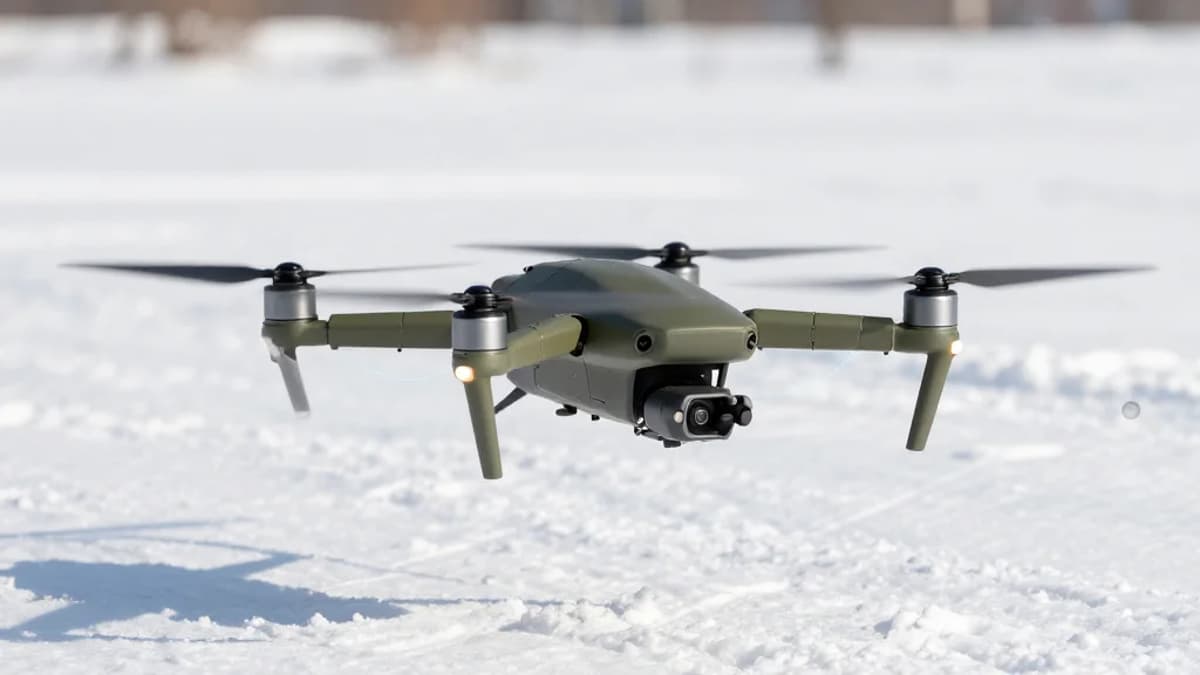
How Algorithms and Drones Are Replacing Ukraine’s Infantry
•February 25, 2026
0
Why It Matters
By substituting soldiers with autonomous platforms, Ukraine can sustain combat effectiveness despite severe manpower shortages, reshaping modern battlefield dynamics. The model offers a blueprint for other nations confronting similar personnel constraints and high‑tech threats.
Key Takeaways
- •Ukraine's infantry strength fell to 30-60% authorized.
- •Drones now destroy over 80% of enemy targets.
- •Unmanned systems form a separate military branch.
- •Extreme cold caused drone battery and camera failures.
- •Russian EW units are countering Ukrainian drone networks.
Pulse Analysis
The erosion of Ukraine’s manpower pool has forced commanders to rethink the fundamentals of land warfare. Historically, NATO doctrine emphasized dense troop formations to hold terrain, but Kyiv now fields brigades operating at a fraction of their authorized size. This shortage has accelerated investment in commercial‑off‑the‑shelf UAVs, ground robots, and networked artillery, turning the front line into a distributed sensor grid where each node can engage targets across several kilometers. The shift mirrors a broader trend where nations leverage inexpensive, rapidly producible systems to offset conventional force deficits.
Operationally, the Ukrainian armed forces have institutionalized the "automaton doctrine" through a standalone unmanned‑systems branch that coordinates strike, reconnaissance, and logistics missions. Drone swarms conduct persistent surveillance, cue artillery, and execute precision attacks, allowing a single operator to perform the work of an entire infantry squad. By late 2025, data showed drones accounted for over 80% of Russian targets destroyed, and units like the 28th Brigade’s Flash battalion rely heavily on volunteer pilots and robotic logistics. This high‑tech approach not only multiplies firepower but also reduces casualty risk for Ukrainian personnel, reshaping the calculus of attrition in a high‑intensity conflict.
Nevertheless, the transition is not without friction. Severe winter temperatures have crippled battery performance and iced camera lenses, prompting field improvisations such as animal‑fat insulation to keep UAVs aloft. Meanwhile, Russian forces are deploying sophisticated electronic‑warfare suites to jam control links, challenging the reliability of Ukraine’s autonomous networks. The experience offers a live laboratory for future conflicts, illustrating how autonomous systems can compensate for human shortages while highlighting the logistical and electronic vulnerabilities that must be addressed for sustainable, machine‑centric warfare.
How Algorithms and Drones Are Replacing Ukraine’s Infantry
0
Comments
Want to join the conversation?
Loading comments...