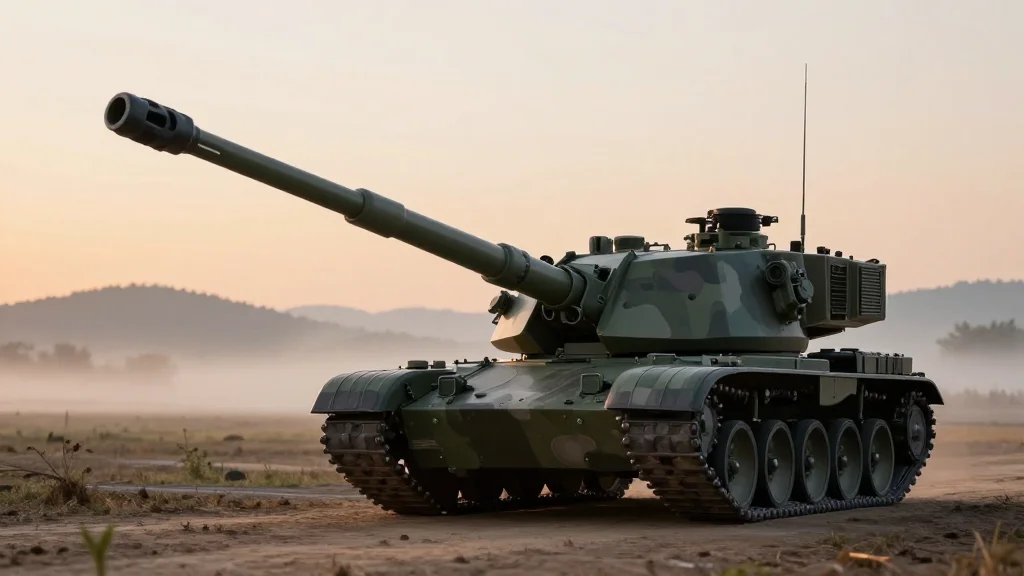
How and Why Europe Is Replenishing Tube Artillery in the Drone Warfare Era
Why It Matters
Re‑equipping artillery restores a critical capability for European forces and counters the growing threat of drone‑enabled precision strikes, reshaping defense spending across the alliance.
Key Takeaways
- •Europe orders over 1,000 K9A1 howitzers by 2028
- •Longer-range artillery counters drone‑derived threats and deep targets
- •Logistics‑centric designs cut maintenance downtime by roughly 30%
- •NATO reallocates funds from missiles to modern tube artillery
- •Domestic programs lag behind proven foreign platforms such as K9A1
Pulse Analysis
The protracted conflict in Ukraine has forced NATO to confront a stark reality: despite advances in missiles and unmanned systems, conventional tube artillery remains the backbone of sustained ground combat. Artillery units can deliver indirect fire around the clock, a capability that drones cannot fully replace, especially when targeting entrenched positions or providing suppressive fire for maneuver units. This operational necessity has revived interest in modern howitzers that can operate in contested, drone‑dense environments while maintaining high rates of fire.
European defense ministries are now turning to proven, export‑ready platforms to close the capability gap quickly. The South Korean Hanwha K9A1, with its 155 mm/52 caliber barrel, automated loading, and extended range of up to 50 km using precision‑guided shells, has secured multiple contracts across Germany, Poland, and the Netherlands. Its modular design simplifies logistics, allowing for faster parts replacement and reduced maintenance cycles—claims of up to a 30% downtime reduction are gaining traction among procurement officials. By 2028, Europe is projected to field over a thousand K9A1 units, signaling a decisive shift toward allied, interoperable artillery solutions.
Strategically, the artillery renaissance reshapes NATO’s budgeting priorities. Funds traditionally earmarked for next‑generation missile programs are being redirected to acquire and sustain modern tube systems that can integrate with networked battlefield sensors and counter‑drone defenses. This pivot also pressures domestic manufacturers to accelerate development cycles or partner with foreign firms to remain competitive. As Europe builds a more resilient, longer‑range artillery fleet, the balance of firepower on the continent tilts back toward conventional, high‑volume fire support, ensuring that drone‑centric doctrines do not eclipse the enduring value of the cannon.
How and why Europe is replenishing tube artillery in the drone warfare era
Comments
Want to join the conversation?
Loading comments...